
春季促销!最高立享 50% 折扣!
How do you know if a bedding fabric will last five years or five washes? Most procurement professionals rely on thread count—but that single number can be misleading. This...
Last updated: · By: Kelly Eleanor
Mulberry silk is valued for its long, smooth protein fibers, which create a soft surface that reduces rough friction against sensitive skin during sleep.
Look at fabric smoothness, momme weight, breathability, and care routine together so the material feels gentle night after night without becoming difficult to maintain.
How do you know if a bedding fabric will last five years or five washes? Most procurement professionals rely on thread count—but that single number can be misleading. This guide breaks down the mechanical and material factors that truly determine durability, from fiber morphology to weave construction. After years of evaluating textiles for hospitality and residential use, we've found that true durability comes from understanding the interplay of fiber length, weave density, and material science—not just a number on a tag.
Continue exploring Bedding Durability Guide: Professional Standards for Textile Quality with these related Promeed resources: HerbalRX™ Sleep Aid Quilt; Best 25mm Mulberry Silk Bedding; Ultimate Bedding Material & Classification Guide.
Use this guide to understand the comfort, care, and material details that matter most before comparing product options.
Review material quality, fit, care requirements, and relevant Promeed resources so the next step feels clear rather than rushed.
This guide establishes the professional criteria for evaluating textile quality, focusing on the mechanical and material factors that dictate long-term durability, structural integrity, and user comfort. By analyzing the structural components of bedding—from fiber morphology to construction methodology—procurement professionals can distinguish between genuine high-performance textiles and marketing-driven specifications that fail to provide a measurable return on investment (ROI). At Promeed, our 23-momme 6A+ mulberry silk bedding exemplifies these professional standards, offering a sanctuary of calm and rejuvenation.
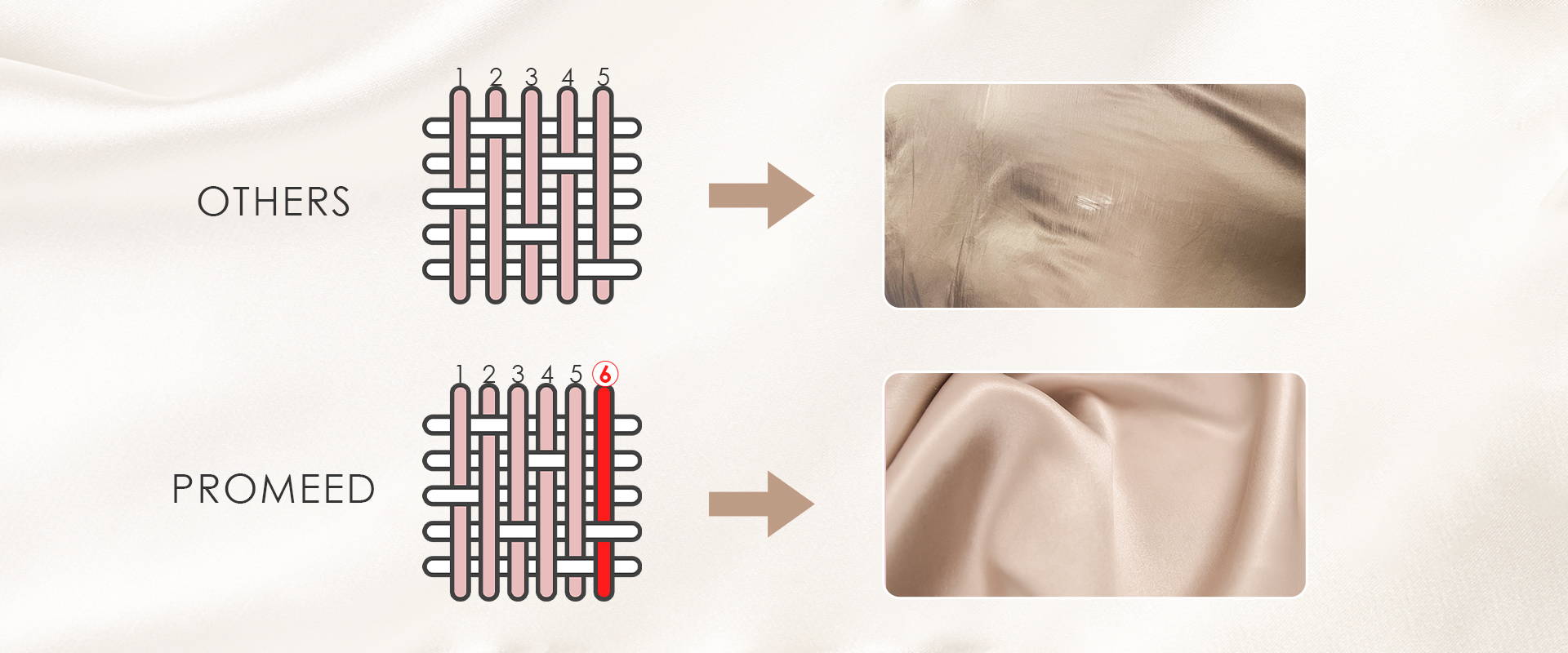
Thread count serves as a primary metric for assessing textile density and its resulting tactile profile. In professional applications, thread count is a measure of mechanical cohesion; a higher density of threads reduces the physical gaps (pores) between yarns, creating a surface that feels "liquid" or "lotion-like" against the skin. However, this metric operates on a scale of diminishing returns where excessive density compromises functional performance, particularly regarding thermal regulation and airflow.
Technical Definition: Thread count is the total number of individual yarns—comprised of the warp (vertical) and weft (horizontal) strands—woven into a single square inch of fabric.
| Range | Performance Impact | Professional Evaluation |
|---|---|---|
| Sub-150 | High porosity; visible gaps between warp and weft; high airflow. | Entry-level; prone to accelerated mechanical degradation and an abrasive tactile profile. |
| 300–400 | Optimal equilibrium of thread cohesion and breathability. | The "Professional Standard" for high-use environments; passes the "breathability test." |
| 500–600 | Enhanced smoothness; high structural density and "liquid" hand-feel. | Premium performance; suitable for high-end hospitality and luxury applications. |
| 700+ | Mechanical saturation; density impedes air permeability. | Categorized as a "Marketing Gimmick"; provides no incremental value and increases heat retention. |
The Marketing Gimmick Threshold: When thread counts exceed the 600–700 range, the incremental gain in comfort is negligible. Highly dense weaves become a liability by trapping heat and moisture, effectively creating a barrier that prevents breathability. For professional auditing, any count above this threshold should be scrutinized as it often involves the use of multi-ply yarns to artificially inflate numbers without improving the textile's lifecycle or user experience. For a deeper dive, read our article Beyond Thread Count: 5 Surprising Secrets to Picking the Perfect Bed Sheets.
Fiber morphology is the structural foundation of yarn strength and long-term luster. In professional quality assurance, the length of individual fibers—known as "staples"—is a more critical determinant of ROI than thread count. Longer fibers provide the mechanical base for yarns that are finer, more resilient, and more resistant to the rigors of industrial laundering.
Learn more about fiber comparisons in How do linen, silk, and cotton compare in durability?
The mechanical interlacing of yarns determines thermal management, visual drape, and mechanical elasticity. Understanding these constructions is essential for matching textiles to environmental requirements and laundering cycles.
Utilizing a "one-over, one-under" structure, Percale (or Plain Weave) is the standard for maximum air permeability. It produces a crisp, light, and matte finish. This construction is recommended for "hot sleepers" or high-temperature climates where breathability is the primary requirement.
Sateen is constructed by "floating" the yarns in a four-over, one-under (or three-over-one) pattern. This exposes more yarn surface, resulting in a fabric that is thicker, heavier, and possesses a signature luster. Sateen offers superior drapability but increases heat retention compared to Percale.
Characterized by diagonal parallel ribs, Twill is created by weaving horizontal threads over and under multiple vertical threads. While common in denim, it is utilized in professional bedding for its extreme durability and ability to hide stains through its visible textured pattern.
A highly complex weave often described as "woven embroidery." It involves programmed patterns created directly on the loom. Its high cost is a result of production complexity; fine yarns are jetted across the loom via air in a complicated array, leading to frequent yarn breakage and requiring sophisticated artistry to ensure weave efficiency.
Jersey is a single-loop knit construction, not a weave. It provides mechanical stretch and a soft, "t-shirt" feel. Because it lacks the warp-and-weft intersection of traditional wovens, it does not possess a thread count.
Flannel can be a plain or twill weave that has undergone "napping"—a mechanical process where the fabric is distressed to raise the fibers, creating a soft, fuzzy texture that excels at heat retention.
For more on weave differences, see What is the difference between percale and sateen weaves?
Material choice dictates the baseline for moisture-wicking, hypoallergenic properties, and structural longevity.
| Material | Primary Benefit | Professional Application |
|---|---|---|
| Silk (Charmeuse) | Protein-based; hypoallergenic; highest luster. | Ultra-luxury; sensitive skin environments; high-end hypoallergenic needs. |
| Linen (Flax) | Hollow fiber structure; 3-4x staple length of cotton. | Maximum breathability; superior lifecycle longevity in decadal use-cases. |
| Lyocell (Tencel) | Eucalyptus-based; moisture-wicking; silky flow. | High-performance cooling; eco-conscious procurement. |
| Bamboo Viscose | Bamboo-based; temperature regulating; hypoallergenic. | Moisture management; soft-touch luxury applications. |
| Long-Staple Cotton | Structural integrity; holds weave through laundering. | Industrial standard for durability and consistent comfort. |
| Synthetics (Polyester) | Inexpensive; high durability; low cost. | Budget-restricted procurement; prone to heat trapping and "scratchiness." |
Procurement Distinction: Silk vs. Satin Procurement officers must distinguish between "Silk" (a natural protein fiber) and "Satin" (a weave type). While silk sheets often use a satin weave (Charmeuse), "Satin" sheets in lower price brackets are frequently 100% polyester. These synthetics lack the hypoallergenic and thermoregulating properties of genuine silk. For ultra-luxury hypoallergenic needs, explore our 23mm 6A+ Mulberry Silk Bedding.
Beyond thread count and fiber length, professional durability assessments rely on two key mechanical tests: tensile strength and abrasion resistance. Tensile strength measures the maximum force a fabric can withstand before tearing, while abrasion resistance evaluates how well the surface holds up against repeated friction—critical for bedding that undergoes weekly washing and nightly movement.
For silk, the momme weight (e.g., 23-momme) is a direct indicator of density and durability. Higher momme weights mean more silk mass per square yard, translating to better abrasion resistance and longer lifecycle. Our 23mm 6A+ 100% Mulberry Silk Duvet Cover exemplifies this standard, with a dense weave that resists pilling and maintains its luster through repeated laundering cycles.
When evaluating bedding for long-term use, consider the following checklist:
For a practical example of these standards in action, consider our 23mm 6A+ 100% Mulberry Silk Fitted Sheet, which combines long-staple mulberry silk with a dense 23-momme weave for exceptional durability and a smooth, cooling feel.
Momme weight (mm) is a unit specific to silk, measuring the weight of silk fabric per square yard (4.34 pounds per square yard = 1 momme). Thread count measures the number of yarns per square inch. For silk, momme weight is a more reliable indicator of density and durability than thread count, as silk fibers are naturally fine and can achieve high thread counts without the multi-ply inflation seen in cotton.
With proper care—machine washing on a gentle cycle with mild detergent and air drying—a high-quality 23-momme mulberry silk bedding set can last 5–10 years. Signs of wear include thinning fabric, loss of luster, or pilling. Regular rotation of fitted sheets and pillowcases can extend lifespan.
Ready to invest in bedding that meets professional standards? Explore our 23mm 6A+ Mulberry Silk Bedding collection.
If these criteria match what you need, use the next step below to compare materials, care details, and available options.
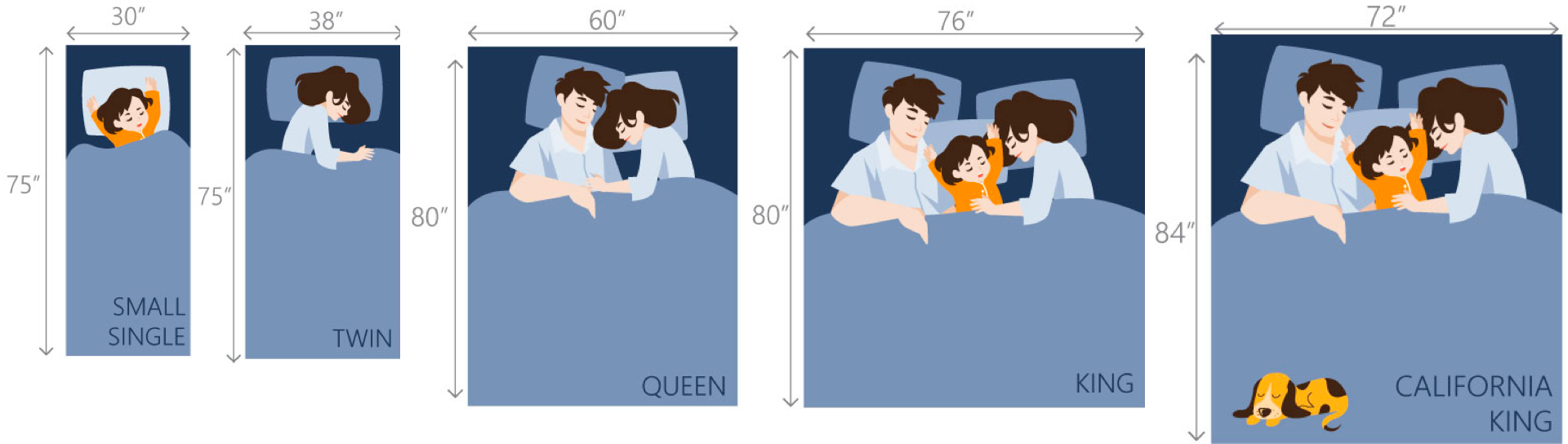
欢迎来到纺织科学的隐秘世界。我们一生中有将近三分之一的时间都在床单之间度过,但真正了解把一张床变成安眠港湾的精密工艺的人却不多。要掌握一夜好眠的艺术,我们必须跳出包装,看清床品的两大支柱: 材质 和 工艺。
阅读更多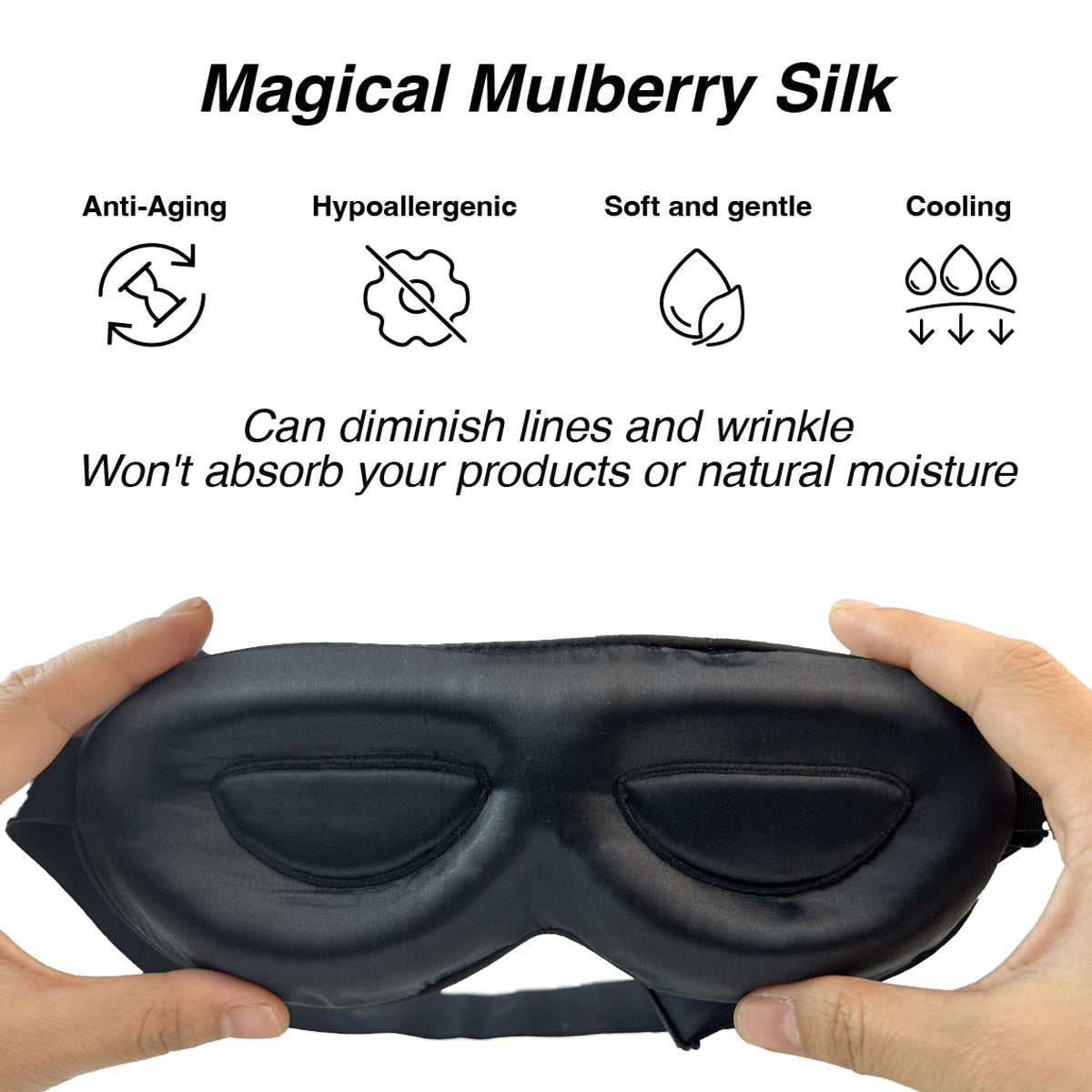
发现 23姆米桑蚕丝如何搭配 Mulberry Silk 眼罩 睡眠 with 23MM 桑蚕丝3D轮廓眼罩,配睡眠耳塞 丝绸睡眠眼罩可帮助减少细纹、锁住水分,并将您的美容觉变成每晚的抗衰老仪式。 最后更新: 2026年4月28日 · 按: Promeed AM Helpful Promeed 资源 如果您正在将《Wake Up Younger: The》与 购买 23MM 桑蚕丝 3D 立...
阅读更多
发表评论
此站点受 hCaptcha 保护,并且 hCaptcha 隐私政策和服务条款适用。