
春季促销!最高立享 50% 折扣!
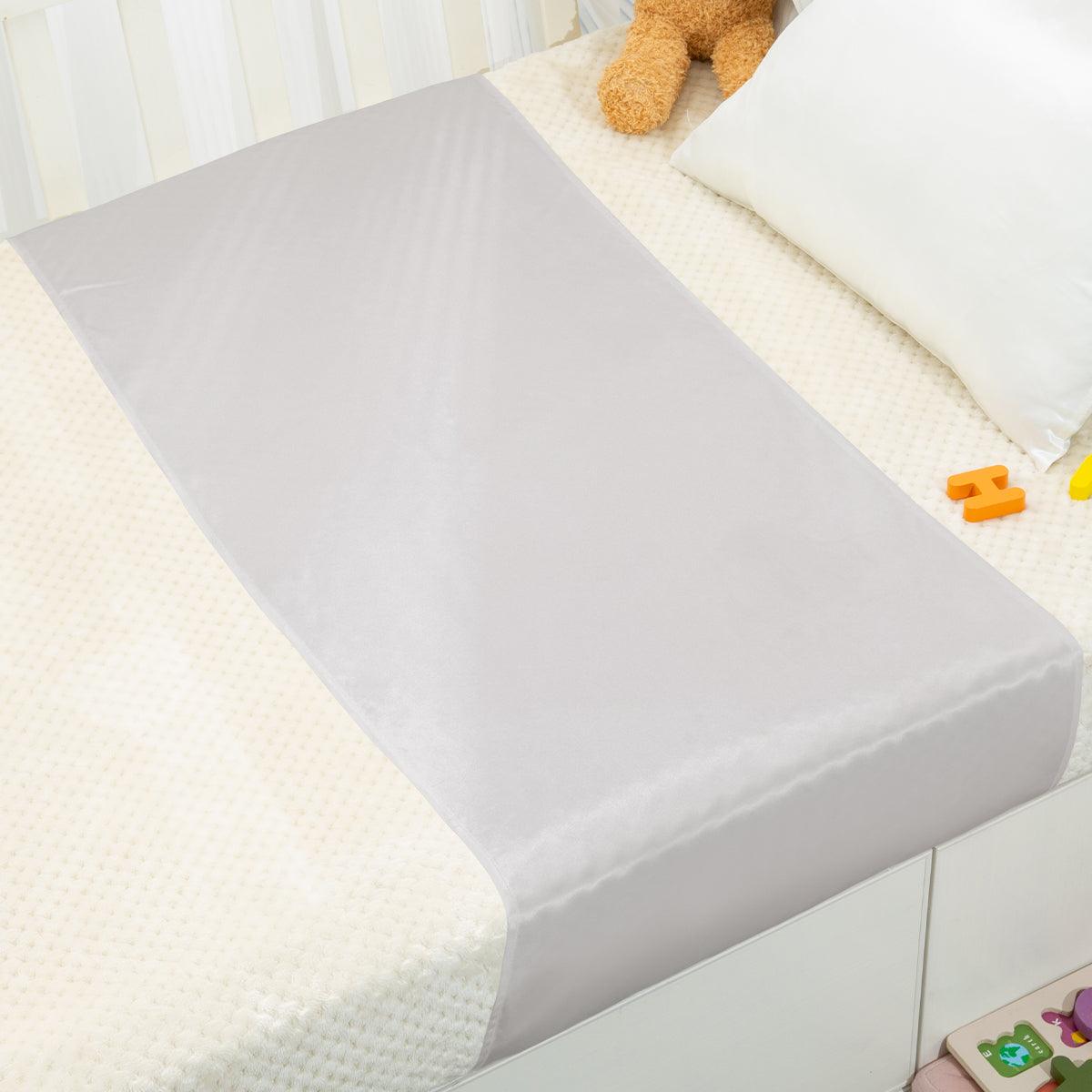
You want silk's benefits for your baby, but a bonnet may pose SIDS risks. Compare the . Add: 'Our silk crib sheet for cradles for product details. Learn why a silk crib sheet is the safer choice for gentle skin and hair protection.
By Adline Keth
Quick answer: Silk bonnets are not recommended for newborns due to the risk of suffocation and SIDS. The American Academy of Pediatrics advises a firm, flat sleep surface with no loose bedding. Safer alternatives like silk crib sheets, including the Shop the 23mm Mulberry Silk Baby Crib Sleeve provide the same skin and hair benefits without the safety concerns.

As a new parent, you want nothing but the best for your little one—especially when it comes to sleep. You've heard about the benefits of silk for adults: smoother skin, less hair breakage, and temperature regulation. Now you're wondering if those same benefits can be passed on to your newborn. The question "are silk bonnets safe for newborns to sleep in" is a common one among health-conscious parents. In this guide, we'll explore the safety of silk bonnets for infants, discuss safer alternatives, and help you make an informed decision for your baby's sleep environment.
Silk bonnets are designed to protect hair and scalp, reduce friction, and maintain moisture. For adults, they're a staple in nighttime hair care routines. But when it comes to newborns, safety considerations are different. The American Academy of Pediatrics (AAP) recommends that infants sleep on a firm, flat surface with no loose bedding, pillows, or soft objects to reduce the risk of Sudden Infant Death Syndrome (SIDS). A bonnet, if not securely fitted, could potentially slip over the baby's face, posing a suffocation hazard. Therefore, while silk itself is a safe material, the design and fit of a bonnet matter greatly.
Newborns lack the motor skills to remove a bonnet that shifts during sleep. Even a well-intentioned accessory can become a hazard if it covers the nose or mouth. The AAP's safe sleep guidelines explicitly warn against any soft objects in the crib. A bonnet, even if snug, is considered loose bedding if it can move. For this reason, many pediatricians advise against any head covering for infants under 6 months.
Before introducing any sleep accessory, it's crucial to follow safe sleep guidelines. The AAP's safe sleep recommendations include:
Silk bonnets fall into the category of loose bedding if they are not snugly fitted. However, a well-designed bonnet that stays in place may be acceptable, but always consult your pediatrician first. Many experts recommend waiting until your baby is older (at least 6 months) before using any head covering during sleep.
Silk is a natural protein fiber that is hypoallergenic, breathable, and gentle on delicate skin. It can help prevent cradle cap, reduce friction that causes hair loss (especially in babies with bald spots), and maintain moisture balance. Unlike cotton, silk does not absorb moisture from the skin, keeping your baby comfortable. However, these benefits can also be achieved through silk bedding, such as a 23mm mulberry silk crib sheet, which provides a safe sleep surface without the risks associated with loose accessories.
Cotton is a common choice for baby bedding, but silk offers distinct advantages. Silk's smooth surface creates less friction, which can help prevent the flat spots on the back of a baby's head (positional plagiocephaly) and reduce hair loss. Silk is also naturally temperature-regulating, keeping babies cool in summer and warm in winter. Cotton, while breathable, can absorb moisture and may feel damp. For parents concerned about cradle cap or sensitive skin, silk's hypoallergenic properties make it a superior choice.
Instead of a bonnet, consider using a silk fitted crib sheet or crib sleeve. These products are designed to stay securely in place, meeting safe sleep standards while offering the same skin and hair benefits. Our silk crib sleeve is OEKO-TEX® certified, hypoallergenic, and temperature-regulating. It fits snugly over bassinet and crib rails, providing a soft, safe surface for your baby to sleep on. The 23-momme grade ensures durability and breathability, making it an excellent choice for year-round use.

Many parents worry about bald spots on their baby's head, often caused by friction against the mattress. Silk's smooth surface reduces friction, which can help prevent hair loss. While a bonnet might seem like a direct solution, a silk fitted sheet or crib sleeve covers a larger area and is safer. Our 23mm mulberry silk crib sheet protects your baby's delicate skin and hair all night long without the risks of loose bedding.
When selecting silk products for your newborn, prioritize safety and quality. Look for:
Our silk crib sheet meets all these criteria, providing a safe and luxurious sleep environment for your little one.
During supervised awake time, a silk bonnet can be used to protect your baby's scalp or prevent cradle cap. However, never leave it on during sleep. Always remove it before naps and nighttime sleep to follow safe sleep guidelines.
Most pediatricians recommend waiting until at least 6 months of age, when babies have better head control and can roll over. Even then, ensure the bonnet fits snugly and does not slip. Always consult your pediatrician before introducing any sleep accessory.
A useful durability comparison should separate the material itself from the way the fabric is made. Fiber length, yarn quality, weave, finishing, washing habits, and how often the item is used all change the result. That is why two products made from the same material can age very differently in a real bedroom. When comparing linen, silk, and cotton, treat lifespan as a practical range rather than a single promise.
Linen usually wins on raw abrasion resistance because flax fibers are naturally long and strong. Its crisp hand can feel less smooth at first, but the fabric often becomes softer with repeated washing. The trade-off is that linen wrinkles easily and may not give the polished, glossy look some sleepers want. For shoppers who prioritize many years of everyday use and do not mind a relaxed texture, linen is often the most durable choice.
Silk needs a different standard. A high-momme mulberry silk fabric can be long lasting, but it rewards gentle care more than rough handling. Its smooth surface reduces friction against hair and skin, which is one reason people choose it for pillowcases and bedding accessories. The same smoothness can make snags, harsh detergents, or high heat more noticeable. Choose silk when the goal is a balance of comfort, low friction, temperature feel, and a luxury surface, then protect that surface with careful washing.
Cotton has the widest quality range. Long-staple cotton and a balanced percale or sateen weave can perform well, while short-staple cotton may pill, thin, or lose smoothness sooner. Thread count alone does not prove durability because very high numbers can come from finer or multi-ply yarns. A better buying check is to look at staple length, weave type, fabric weight, and care instructions together. Cotton is often the easiest material to wash, but it is not automatically the longest lasting.
Care routine is where many durability differences appear. Wash with a suitable detergent, avoid bleach unless the care label clearly allows it, and reduce high-heat drying when possible. Rotating pillowcases and sheets gives fibers time to rest between uses, while overloading the washer increases friction. For silk, a mesh laundry bag and air drying are especially helpful. For linen and cotton, prompt drying and proper storage can reduce deep creasing, mildew risk, and unnecessary fiber stress.
Before buying, match the fabric to the job. Choose linen for a relaxed texture and maximum long-term toughness. Choose silk when a smooth, low-friction sleep surface is the priority and you are willing to care for it gently. Choose high-quality cotton when easy laundering and everyday familiarity matter most. The best value is not always the material with the longest theoretical lifespan; it is the one whose maintenance fits your routine.
While silk bonnets may offer benefits for older babies and adults, their safety for newborns is questionable due to SIDS risks. Instead, opt for safer alternatives like silk fitted crib sheets or crib sleeves that provide the same advantages without compromising safety. At Promeed, we are committed to offering high-quality, natural bedding that protects your family's health and sleep quality. Explore our 23mm Mulberry Silk Baby Crib Sleeve and give your baby the gift of safe, restful sleep.
Silk Fitted Sheets with Extra Deep Pockets 16 Inch: The Ultimate Guide
Discover the best silk fitted sheets with extra deep pockets 16 inch. Our 23-momme 6A+ mulberry silk fitted sheets fit mattresses up to 18 inches, offering luxury, durability, and skin benefits. Le...
阅读更多
Best Duvet Insert for Night Sweats and Menopause: CoolRest™ Review
Struggling with night sweats? The best duvet insert for night sweats and menopause actively wicks moisture and stays cool. Our CoolRest™ Double Cooling Comforter delivers instant relief with dual-s...
阅读更多
发表评论
此站点受 hCaptcha 保护,并且 hCaptcha 隐私政策和服务条款适用。