我应该把头发放下来放在丝绸枕套上吗?
跳转到内容

新年大促! 最高可享50%折扣!

购物车

您的购物车为空

Should I Sleep With My Hair Down on a Silk Pillowcase?

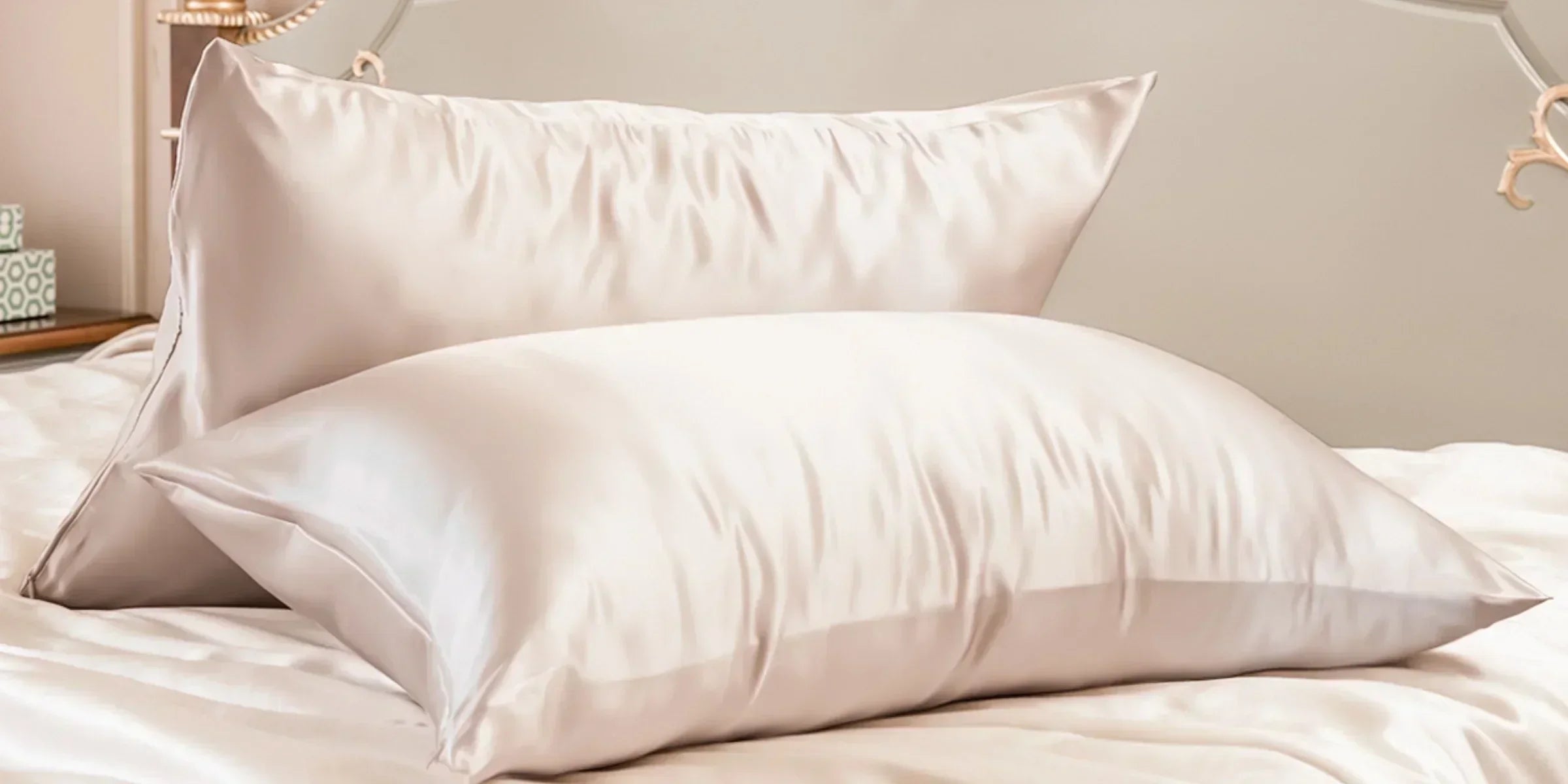
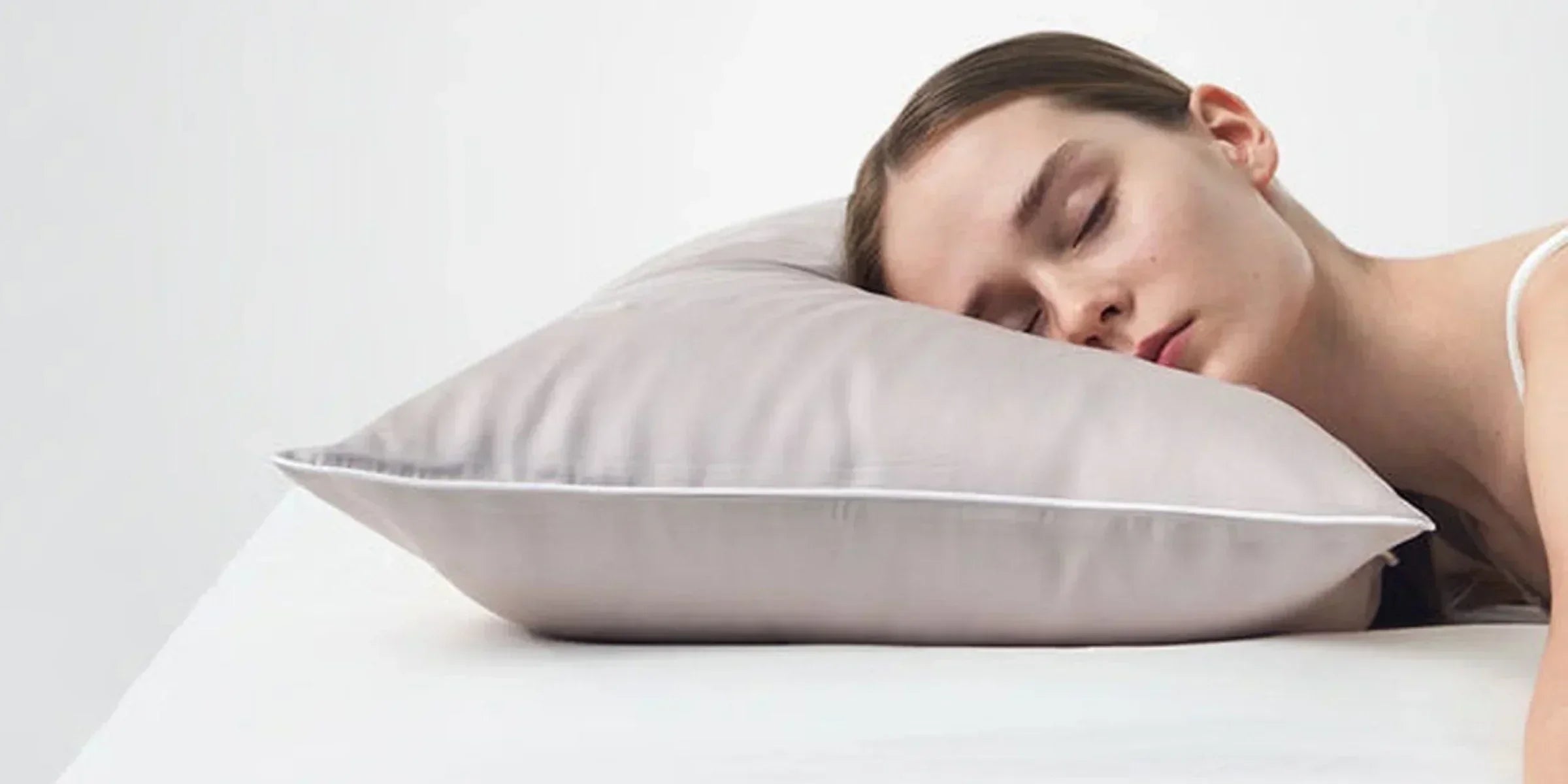
Sleeping on a silk pillowcase while leaving your hair down has become a popular hair care practice. All hair types can benefit from the smooth, friction-free surface provided by silk pillows. The slick material lessens moisture loss while you sleep, bedhead, and hair damage. But is sleeping with your hair down on silk actually better for your locks? Here are some things to think about when choosing whether or not to use a silk pillowcase and how to do so for the best possible hair health.

Benefits of Using a Silk Pillowcase 

Sleeping on a silk pillowcase can provide multiple advantages for your hair's health and appearance.

I. Reduction of Friction

One of the biggest advantages of sleeping on a silk pillowcase is the reduction in friction caused during sleep. The exceptionally smooth surface of silk allows hair strands to glide gently rather than rubbing against cotton or rougher fabrics. This decreases the disturbance to the cuticle layer and reduces frizz, flyaways, and static. Hair awakens smoother and less prone to knots and tangles thanks to the minimized friction provided by silk pillowcases. This benefit is most noticeable for those with fine, dry, or damaged hair that is prone to friction damage. The slippery texture of silk gives a friction-free experience and added protection as you sleep.

II. Decreased Tangling and Knots

The slippery smooth surface of silk pillowcases prevents tangles and knots from forming in your hair overnight. The lack of friction means there is less disturbance of the hair cuticle and less intertwining of strands. This allows you to wake up with hair that combs out neatly with less tugging and pulling. Those with fine, frizzy, or curly hair that tends to tangle see the greatest reductions in knots and matting.

III. Retention of Hair Moisture 

In addition to less friction and snagging, silk pillowcases retain more moisture in your hair as you sleep. The fabric does not absorb hydration like cotton and other materials. When hair is able to hold onto its natural oils and water content, it stays softer, shinier, and more elastic. Dry, brittle hair becomes supple again with the moisture-locking power of silk.

Factors to Consider

While a silk pillowcase can certainly benefit your hair, not everyone will experience the same results. There are a few factors that determine whether sleeping on silk is right for you and your hair type. 

I. Hair Type and Texture

The biggest benefits of a silk pillowcase are seen in those with fine, thin, or chemically treated hair. Tight curls and coils don't slide as easily along the silk surface due to their textured shape and volume. Very smooth, straight hair provides the least resistance and friction against the pillowcase. Hair that is color treated, relaxed, or prone to breakage and split ends gains added protection in the gentle glide of silk. 

Those with oily hair and scalps may also prefer a silk pillowcase to keep excess oil under control overnight. Cotton absorbs more of the oils while silk allows them to remain in place. This helps minimize greasy hair and skin in the morning.

II. Sleep Position and Movements

Your normal sleep position and nighttime movements will factor into the benefits received from a silk pillowcase. If you shift positions frequently or flip sides often, your hair still rubs against the pillowcase. However, the gentler glide of silk still causes less disturbance overall compared to rougher fabrics. 
Sleeping mostly on your back allows your hair to splay evenly across the silk pillowcase without bunching or friction on one side. For side sleepers, a bonnet or updo keeps your locks away from the pillow.

III. Personal Comfort 

While silk pillowcases provide hair benefits, some may find the ultra-smooth fabric too slippery for comfortable sleep. The lack of friction can cause your head to skid around more. For some people, this could make sleeping difficult or disturbing. Assessing your usual sleeping habits and preferences is key.

Sleeping with Hair Down on a Silk Pillowcase

The choice to sleep with your hair down on a silk pillowcase has special advantages for the health and appearance of your hair. Your locks are less likely to be disturbed overnight by the smooth surface. This allows you to wake with hair that is less frizzy, tangled, and damaged from friction and pulling. 

I. Benefits

The main benefits of sleeping with hair down on silk pillowcases include less bedhead, knots, and breakage. The slippery fabric minimizes rubbing and friction damage as you shift in your sleep.Hair retains more moisture as well without the absorbent effects of cotton or flannel. Those with straight, fine, or fragile hair gain the most advantages.

II. Considerations 

While keeping hair down on silk has its perks, it may not be ideal for those who move a lot at night. Frequent tossing and turning can still cause friction, knots, and tangles. 

III. Tips for Maximizing Benefits

To get the full advantages of sleeping with hair down on a silk pillowcase:
  • Braid or loosely tie the ends of long hair. This prevents tangles just at the ends and tips.

  • Use a layer of leave-in conditioner or serum before bed. This allows strands to glide more smoothly along the silk pillowcase.

  • Tie hair in a very loose, low ponytail. This keeps the ends together while allowing the top layers to play freely.

  • Consider wrapping the ends in a soft fabric or scarf. This prevents any catching or snagging on loose threads in the silk pillowcase seams.

  • Invest in a quality, high-momme count silk pillowcase. The higher the momme count, the more durable, consistent, and beneficial the silk fabric.

Sleeping with Hair Up on a Silk Pillowcase

You can also reap benefits from a silk pillowcase by putting your hair up before bed. This keeps your locks away from friction on the pillow altogether.

I. Benefits

The main perks of sleeping with hair up on a silk pillowcase are protection from breakage and knots. Pulling your hair off your neck and shoulders also allows you to stay cooler at night. Different updos like a loose bun or braid give your hair volume and waves in the morning too.

II. Considerations 

While sleeping with hair up can shield it from friction, tight elastics may still cause some breakage and damage overnight. Make sure elastics are gentle and loose. The slippery fabric of silk may also cause some updos to loosen or unravel during sleep. Use extra pins and ties to keep styles in place.

III. Tips for Maximizing Benefits

To optimize the benefits of sleeping with hair up on a silk pillowcase:
  • Make sure elastics and ties are gentle, soft, and loose so they don't tug on hair overnight. Scrunchies or fabric ties prevent damage.

  • Try different updos like a messy bun, French twist, or single braid. Varying styles prevent too much tension in one area.

  • If using bobby pins or clips, wrap ends in soft fabric to prevent snagging on the silk pillowcase.

  • Change the location of your updo from night to night. Constant tension in one spot can lead to breakage over time.

  • Invest in a charmeuse or mulberry silk pillowcase with a minimum 16 momme count. Higher momme count means more durable, consistent silk.

  • Use a silk bonnet over your updo for added protection if you tend to move a lot in your sleep.

Personal Experimentation and Preferences

When deciding whether to use a silk pillowcase for your hair, personal testing and preference is key. What works wonderfully for one person may not suit your individual hair type, sleep habits, and needs. 

I. Trying Different Sleeping Positions

Experiment by sleeping in different positions - on your back, sides, stomach etc - and note if certain positions make your hair more tangled or messy when using a silk pillowcase. Adjust your normal sleeping positions accordingly if needed.

II. Noting Changes in Hair Health and Appearance

Pay attention to any positive or negative changes to your hair's moisture, shine, frizz levels, breakage, and manageability since switching to a silk pillowcase. Take note of results over the course of several weeks.

III. Adapting Your Routine Based on Results 

If your hair appears damaged or knotted from the silk pillowcase, try wrapping hair in a soft scarf before bed. If your hair becomes too oily, switch to sleeping with it up versus down. Personalize based on your observations.

Maintenance of Silk Pillowcases

While silk pillowcases are good for your hair, they do need particular washing and care to stay in good condition. Taking steps to clean and protect your silk pillowcases will help retain their smoothness and prevent damage over time.
Caring for your silk pillowcases properly is important for preserving longevity as well as hair benefits. Harsh detergents, high heat drying, and rough treatment can cause silk fibers to break down faster. With some simple maintenance, your silk pillowcases can retain their gentle, friction-free properties for optimizing hair health.

I. Regular Washing to Maintain Cleanliness

Wash your silk pillowcases every 1-2 weeks to prevent buildup of hair products, natural oils, and dirt that can lead to clogged pores and breakouts. Sweat and body oils also transfer onto the fabric during sleep. Frequent washing in lukewarm water keeps them fresh and hygienic. Stick to a gentle silk detergent and never use bleach, which can damage the fibers. Cleaning regularly will extend the life of your silk pillowcases.

II. Avoiding Harsh Detergents and Hot Water

When washing your silk pillowcases, steer clear of harsh detergents, bleaches, or hot water settings. These can damage the delicate silk fibers causing them to become dry and brittle over time. Stick to gentle, silk-safe cleansers and lukewarm water instead.

III. Air Drying or Low Heat Settings

Never place your silk pillowcases in the dryer, as high heat can destroy their smooth texture quickly. Always air dry fully before putting them back on your pillows. If you must use a hairdryer, use the lowest heat setting and hold it far from the fabric.

Bottom line 

Numerous hair kinds and textures can actually benefit from using a silk pillowcase while they sleep. The exceptionally smooth surface results in less friction, tangling, and moisture loss as you sleep. Fine, fragile, or damaged hair gains the most advantages from the reduced friction and hydration-locking properties of silk.
However, silk pillowcases may not be ideal for those with very textured, coiled hair or who move frequently at night. To determine whether silk enhances the look and health of your hair, personal testing is essential. Proper maintenance by washing on gentle cycles and air drying will help silk pillowcases retain their smoothness. Overall, silk can enhance the look and feel of your hair as long as it matches your personal requirements and preferences.

You May Like

Explore More

桑蚕丝助眠:3D眼罩如何缓解眼部疲劳、改善睡眠
简介 说实话——要得到一个 一夜好眠 现在感觉比以往任何时候都更难。整天盯着屏幕、应对压力、再加上年纪渐长,我们的身体为了找回人人渴望的那种完美而安稳的睡眠,几乎在超负荷运转。你大概也已经察觉到了:那些 眼睛疲劳 到了一天的尾声,夜里辗转反侧,或者醒来时感觉几乎没睡过。 不过,这里有一些好消息,关于 睡眠眼罩 并了解其好处。越来越多的人发现, 优质睡眠...
桑蚕丝的蛋白组成:为何对敏感肌肤温和
引言:桑蚕丝背后的奢华与科学 你有没有想过,为什么睡在真丝上与你常用的纯棉床单感觉如此不同?其实有一些 引人入胜的科学 在那种奢华质感的背后。 数千年来,人们将丝绸视为大自然最珍贵的面料之一。但许多人并不了解的是:丝绸之所以格外柔和的秘密,深藏于其天然成分之中——确切地说,源自构成每一缕纤细纤维的蛋白质。 当我们谈到桑蚕丝时,说的是一种真正特别的材料。它并不只是触感舒适的普通面料。桑蚕丝的蛋白质构成使其与人体皮肤天然相容,这是其他材料难以企及的。不妨把它看作是大自然为那些饱受困扰的人打造的理想纺织品 敏感肌肤, 过敏,或只是想为他们的夜间习惯选择最好的。 在整篇文章中,你将确切了解为什么丝绸为何能带来如此 显著益处...
桑蚕丝婴儿床单:天然蛋白纤维如何助力宝宝皮肤屏障健康
温和起步,呵护娇嫩肌肤 你是否曾轻触宝宝的脸颊,惊叹它是如此柔软?那种令人惊叹的柔软不只是可爱——其实也说明你家小宝的皮肤有多么娇嫩。婴儿的皮肤比你的更薄、更敏感,这意味着它需要格外悉心的护理,尤其是每天与皮肤接触的各种用品。 想一想:你的宝宝会花 12至16小时 每天都在婴儿床里睡觉。他们娇嫩的皮肤和头发要长时间与婴儿床床单摩擦!这正是为什么选择 合适的床上用品 对您宝宝的健康与福祉至关重要。 输入 桑蚕丝—自然的 最柔软的纤维....
优化你的睡眠美肤方案 2026:真丝枕套 & 夜间保湿协同
1. 引言:睡眠美容新时代(2026) 还记得当睡眠只是……嗯,睡觉本身的时候吗?到了2026年,我们已经进入了一个令人兴奋且多样化的夜间时光新纪元。“美容觉”不再只是一个口号,而是有着越来越多证据支撑的事实。它真的在你睡觉时起作用。 令人惊讶的是,如此重大的变化竟然被促成。现在已经很清楚,起初看似闲置的时间,已发展为能使人焕发活力的时段。在睡眠期间,身体达到其最 显著再生. 科学已经证明了这一点。身体有其自身的自愈机制,但在合适疗法的帮助下,这一自然修复过程可以得到大幅增强。 2026 年健康革命 当前,健康养生行业正经历重大变革,你很可能已经开始注意到这一点。为了避免在那里进行护理所带来的费用和麻烦,水疗正逐渐失宠。人们转而选择兼具奢华与实用、且可持续的居家方案。亲手打造专属于你的家,并精心配置其中的一切,会是一个极具成就感的过程。 人们并非仅仅为了省钱或图方便才订阅这些服务。皮肤是我们外在形象的重要组成部分,其健康理应得到悉心呵护。每天温柔对待自己同样至关重要。这意味着在每晚的护理流程中,用指尖轻柔地抚触与呵护皮肤。到了2026年,美肤护理将以温和亲肤的材料为核心。这包括...