
Spring Sale! Upto 50% Off!
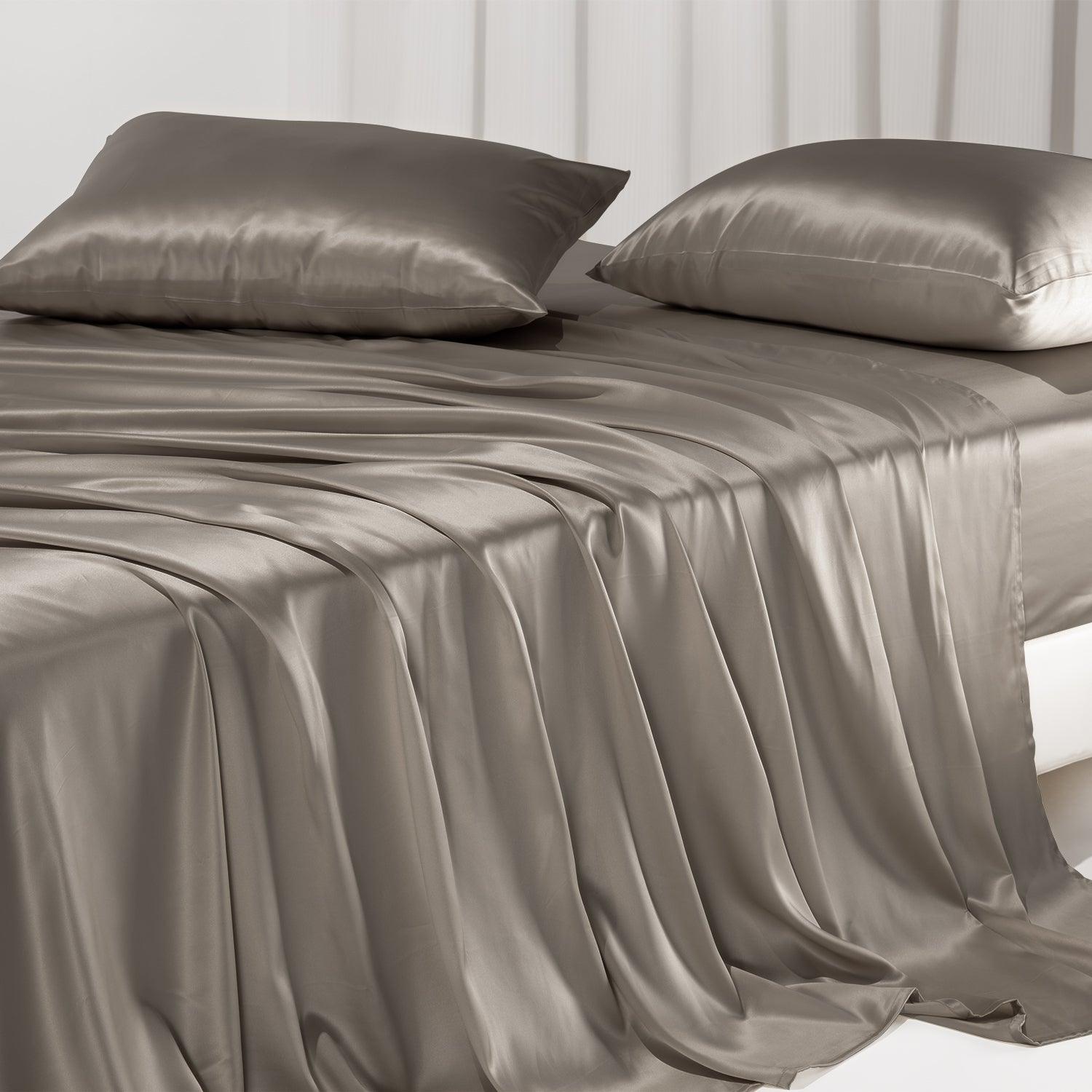
From cotton staples to silk momme weights — learn how to read a bedding label like a textile engineer. Compare the with The Thread Count Myth and 4 Other Secrets 23mm 6A+ Mulberry Silk Bedding for product details.
Last updated: · By: Kelly Eleanor
If you are comparing The with The Thread Count Myth and 4 Other Secrets Ultimate Bedding Material & Classification Guide, these resources can help you check product details and next steps. Compare the 23mm 6A+ Mulberry Silk Bedding for product details.
Related reading
- 23mm mulberry silk crib sheet — Helpful product details for comparing fabric, fit, and everyday use.
- 25mm Mulberry Silk Series — At Promeed , we believe sleep should be something you look forward to every night. The 25MM Mulberry Silk Series isn’t j
- Bedding Durability Guide: Professional Standards for Textil… — This guide establishes the professional criteria for evaluating textile quality, focusing on the mechanical and material
If you are comparing The Ultimate Bedding Material & Classification Guide, these Promeed resources can help with product details and next steps: 23mm mulberry silk crib sheet; 25mm Mulberry Silk Series; Bedding Durability Guide: Professional Standards for Textil….
Use the guide to decide how The Ultimate Bedding Material & Classification Guide affects comfort, care, and daily use before comparing specific product options.
Review material quality, fit, care requirements, and relevant Promeed resources so the next step feels clear rather than rushed.

Welcome to the world of textile science. Compare the Beyond Thread Count: 5 Secrets to Picking Perfect Bed Sheets for product details. I come from a family that has been manufacturing bedding for over two decades, producing for the largest retailers in the country. I have seen every marketing trick in the book. Whether you are outfitting a new home or looking for a restorative sleep experience, understanding the engineering behind your sheets is the only way to navigate the "marketing fluff" of the bedding aisle. This guide is designed to cut through the noise and provide you with a master-level understanding of fabric classification.
--------------------------------------------------------------------------------
Before you ever look at a price tag, you must evaluate a sheet set based on three fundamental pillars. Shifting your focus from the "sale price" to these physical properties ensures you are making a functional investment rather than falling for a gimmick.
1. Material Composition This is the "DNA" of your sheets. What the fibers are actually made of determines the fundamental breathability, moisture-wicking capabilities, and skin-feel of the product.
2. Construction & Thread Quality This encompasses how those fibers are spun into yarn and the density of the weave. Quality here dictates whether the fabric feels "liquid cool" against the skin or like a "stiff starch."
3. Longevity & Laundering A true quality set is an heirloom investment. You must consider how long the material will last and, crucially, how it is taken care of. Your laundering habits are as critical to the "quality" experience as the material itself.
The "So What?" for the Learner: By focusing on these pillars, you shift your mindset from "price" to "value." Understanding that a $500 set might actually be a bargain because of its generational durability—while a $50 set is a waste because it traps heat and pills after three washes—is the first step toward better sleep.
Once the pillars are set, we must look at the building blocks: the fibers.
--------------------------------------------------------------------------------
The most significant divide in bedding is between natural plant/animal fibers and human-made synthetics. This choice directly impacts your body's ability to regulate temperature.
|
Fiber Category |
Common Examples |
Key Benefits (Breathability/Wicking) |
The Trade-off |
|
Natural |
Cotton, Linen (Flax), Silk Compare the Explore 23mm Mulberry Silk Bedding for product details. |
Exceptional breathability; naturally wicks moisture; hollow fiber structures. |
Generally higher price point; prone to natural wrinkling. |
|
Semi-Synthetic |
Bamboo (Viscose), Tencel (Lyocell) |
Made from cellulose (wood pulp); silky texture; high temperature regulation. |
Involves chemical processing to turn pulp into spun fiber. |
|
Synthetic |
Polyester, Spandex |
Extremely durable; inexpensive; resists wrinkles and shrinking. |
Non-breathable; acts as an insulator that traps body heat. |
The "So What?" for the Learner: Natural fibers are the gold standard for sleep health. While synthetics are cheap and easy to dry, they often feel "plastic" and lead to night sweats. For those seeking the best moisture-wicking properties, look for plant-based cellulose or natural flax.
While many materials exist, one fiber remains the undisputed king: Cotton.
--------------------------------------------------------------------------------
Not all cotton is created equal. The quality is determined by its staple length—think of these as the individual "hairs" that make up the cotton puff.
Expert Tip: The Shadow Test To identify high-quality long-staple cotton in a store, look at how the fabric folds. If the shadows cast by the folds are smooth and continuous, you have a long-staple product. If the shadows appear "harsh" or jagged, it is likely short-staple Upland cotton, which is highly prone to pilling (those annoying little balls of fuzz) and will feel dry or scratchy over time.
The "So What?" for the Learner: Longer staples mean fewer splices, resulting in a fabric that is significantly softer, more durable, and less likely to irritate your skin.
--------------------------------------------------------------------------------
The "weave" is the pattern used to interlace horizontal (weft) and vertical (warp) yarns. This construction dictates the final "hand-feel" and weight.
The "So What?" for the Learner: Weave is a design choice. While Percale offers a "dry" and airy sleep, Sateen provides a more "liquid" and lustrous experience.
--------------------------------------------------------------------------------
Thread count (TC) is simply the number of individual yarns within a square inch. I often see consumers fooled by astronomical numbers that mean nothing for quality.
The Thread Count Gauge:
The "So What?" for the Learner: Don't trust the box; trust your lungs. Use the "Breath Test": Hold the sheet to your mouth and try to breathe through it. If air flows through easily, it’s breathable. If it feels like breathing through plastic, the thread count is too dense (or synthetic), and you will overheat.
--------------------------------------------------------------------------------
When you're ready to invest in truly restorative sleep, specialty fibers offer distinct advantages. At Promeed, we focus on 23-momme mulberry silk, a grade that balances breathability, durability, and a lustrous hand-feel. After years of testing in our family factory, we've found that 23-momme silk resists pilling and maintains its tensile strength through hundreds of washes—far outperforming lower momme weights.
For those seeking the ultimate in luxury, the 23mm 6A+ 100% Mulberry Silk Duvet Cover offers year-round comfort. And if you're looking to upgrade your pillowcase, the 23mm 6A+ Zipper Mulberry Silk Pillowcases 2 Pack is perfect for beauty sleep routines.
--------------------------------------------------------------------------------
Use this checklist to ensure you aren't being fooled in the store aisle:
The "So What?" for the Learner: The "best" sheet is subjective to your personal preference for "softness" and "warmth." By ignoring the marketing gimmicks and focusing on fiber science, you can finally buy with confidence.
--------------------------------------------------------------------------------
300–400 TC is the sweet spot for softness and breathability. Higher counts often use multi-ply threads that reduce airflow.
Yes, especially 23-momme mulberry silk. It's hypoallergenic, breathable, and durable. Explore our 23mm 6A+ Mulberry Silk Bedding collection to see the difference.
Ready to transform your bedroom into a serene sanctuary? Shop 23mm Mulberry Silk Bedding
Promeed readers are usually comparing comfort, material quality, care effort, and long-term value before choosing silk bedding. Use this guide as a practical decision path: match the fabric to your sleep priorities, then check whether the care routine fits your household.
For shoppers leaning toward mulberry silk, focus on smooth hand feel, momme weight, gentle washing, and daily friction against hair and skin. Those details keep the article grounded in Promeed’s silk bedding expertise without turning the comparison into a generic fabric overview.
If these criteria match what you need, use the next step below to compare materials, care details, and available options.
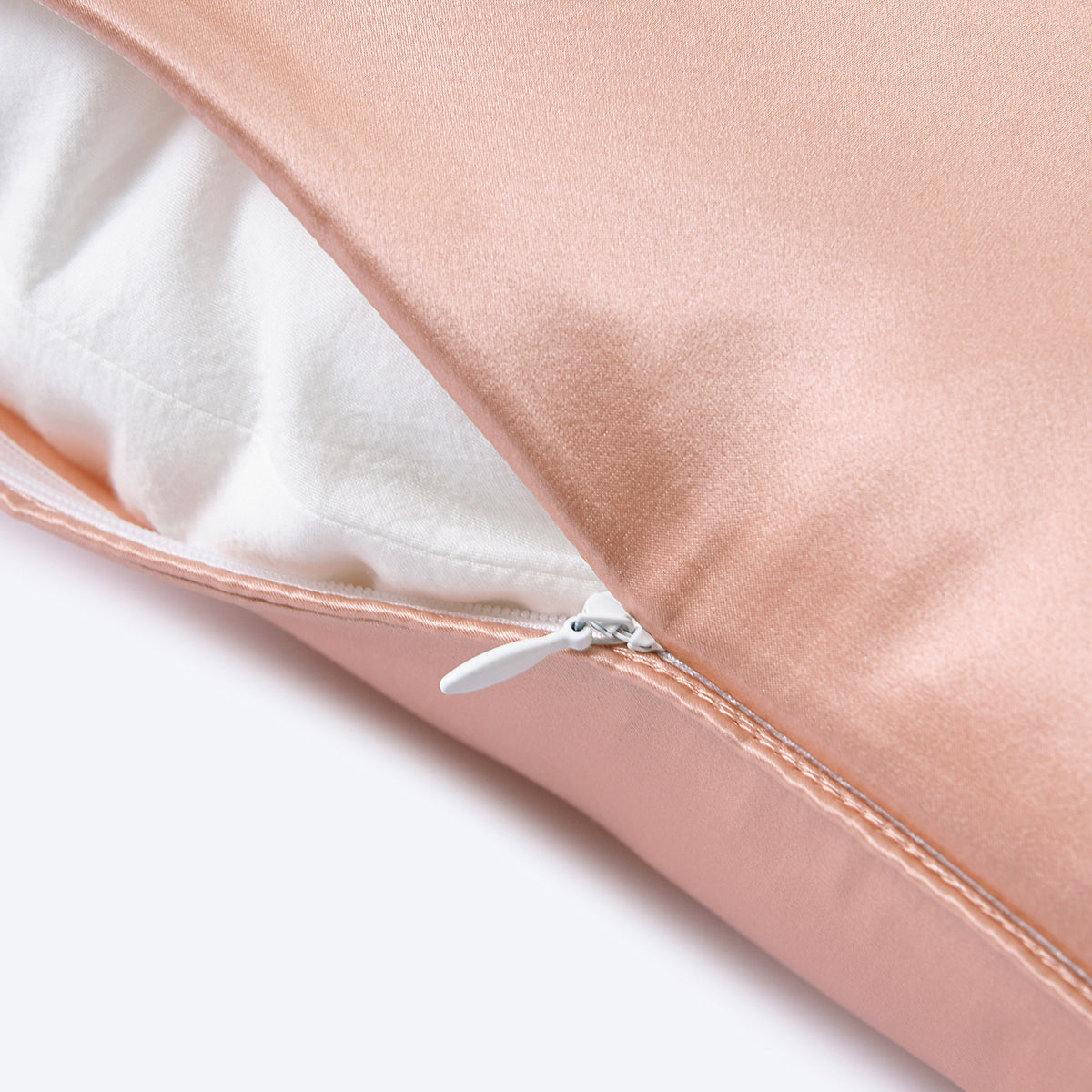
Silk Pillowcase Guide: Benefits, Care & How to Choose
Discover how silk pillowcases can transform your sleep experience and beauty routine. This comprehensive guide covers benefits for hair and skin, how to choose the right silk pillowcase, proper car...
En savoir plus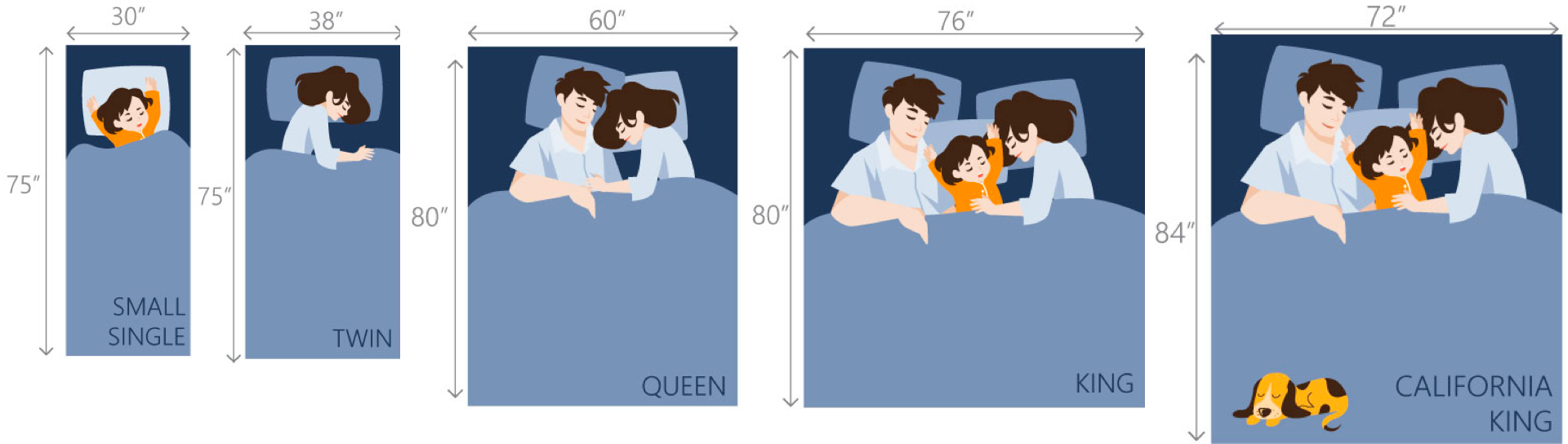
Bed Sheet Materials & Weaves Guide | Promeed
Welcome to the hidden world of textile science. While we spend nearly a third of our lives between the sheets, few of us truly understand the intricate engineering that transforms a bed into a sanc...
En savoir plus
Laisser un commentaire
Ce site est protégé par hCaptcha, et la Politique de confidentialité et les Conditions de service de hCaptcha s’appliquent.