
Spring Sale! Upto 50% Off!
You've been told thread count is king. But the real secrets to buying bed sheets like a pro lie in fiber length, weave, and material—not a number on the package.
Last updated: · By: Kelly Eleanor
Continue exploring The Thread Count Myth and 4 Other Secrets to Buying Bed Sheets Like a Pro with these related Promeed resources: 23mm 6A+Zipper Mulberry Silk Pillowcase With Eye Mask-Mothe…; 23mm 6A+ Mulberry Silk Bedding; What to Look for When Buying High-Quality Sheets: A Complet….
Use this section to connect the main question around The Thread Count Myth and 4 Other Secrets to Buying Bed Sheets Like a Pro with the practical criteria already covered in the article.
Compare materials, fit, care needs, and the linked product or collection resources before moving from research to purchase.
Updated April 27, 2026 by Kelly Eleanor
You've been told thread count is king. But the real secrets to buying bed sheets like a pro lie in fiber length, weave, and material—not a number on the package. The luxury bedding market is rife with expensive disappointments, where a several-hundred-dollar investment yields sheets that feel scratchy, stuffy, or clinical. We are conditioned to equate a higher price tag with superior comfort, yet the technical reality of textile manufacturing frequently contradicts retail marketing. To demystify these high-end essentials, we look to the expertise of Lea Wang, a manufacturing veteran with 20 years of experience producing linens for major global retailers. By understanding the intersection of material science and retail psychology, you can look past the branding to find the sheets that truly deliver a restorative night's rest.
Why do so many expensive sheets feel disappointing? The answer lies in marketing gimmicks that distract from what really matters: fiber quality, weave structure, and material integrity. After years of testing bedding for major retailers, I've seen firsthand how a $500 sheet set can perform worse than a $150 set—simply because the manufacturer spent more on packaging than on cotton. The key is to know what to look for, and that starts with understanding the thread count myth.
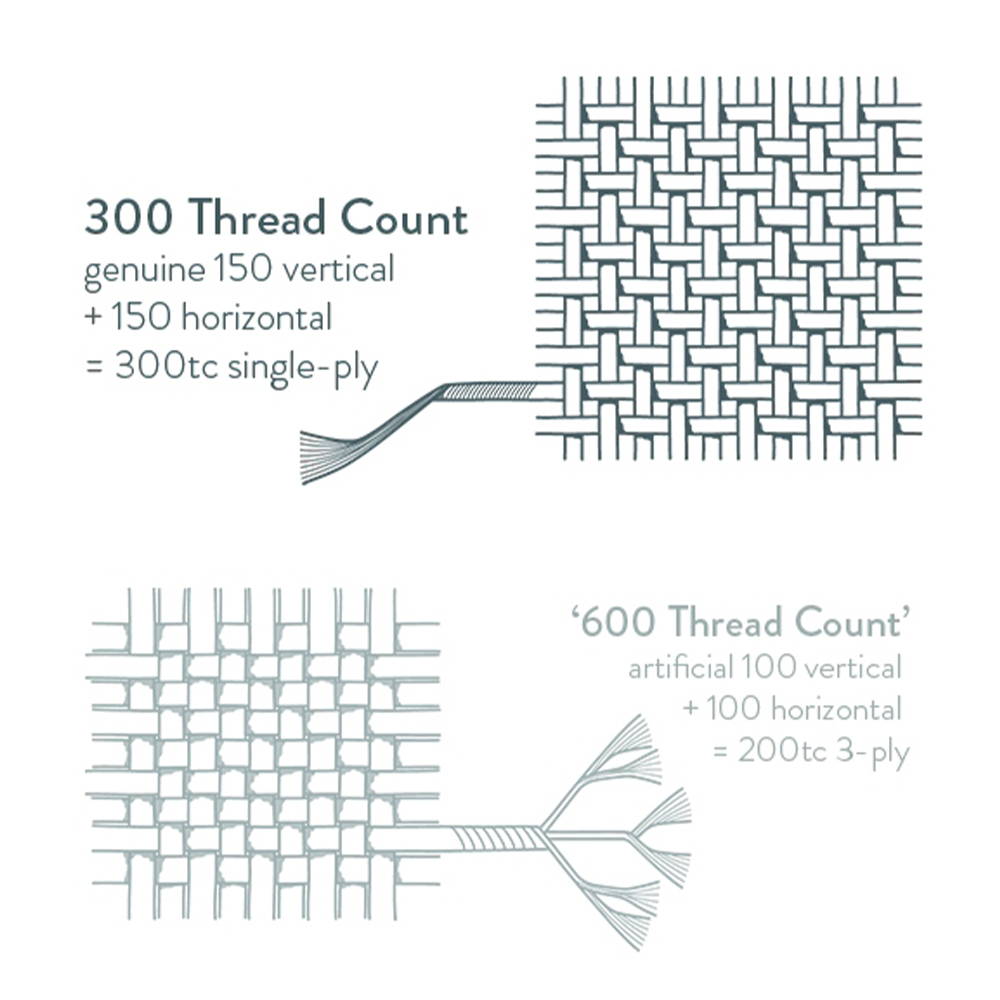
Thread count is a straightforward metric representing the number of individual yarns woven into a single square inch of fabric. While a higher count can close the gaps between yarns to create a smoother surface, there is a definitive point of diminishing returns. The industry "sweet spot" for a high-quality sheet is typically between 300 and 400 threads per square inch; in this range, the fabric achieves a sophisticated density without sacrificing the airflow necessary for temperature regulation.
When a thread count is optimized, the fabric takes on an added bonus: it feels almost like a lotion against the skin, offering a "liquid cool" sensation. However, you must be wary of counts that climb into the high hundreds or thousands. To identify a high-quality weave in the showroom, hold the fabric up and attempt to breathe through it. If the air flows through without impediment, the sheet will remain breathable throughout the night; if it feels blocked, the density is likely a marketing ploy that will trap heat.
While excessively high numbers are often marketing fluff, there is a structural benefit to a moderately high thread count. A denser weave is more cohesive and strong, meaning there are more threads holding the fabric together to resist wear and tear. However, this benefit plateaus early. "The simple rule of thumb is you want a higher thread count but up until a certain point it's probably not worth paying extra for... anything above 6 or 700 is probably a bit of a marketing gimmick."
While thread count dominates the marketing copy, the length of the individual cotton fibers—known as the "staple"—is the true arbiter of quality. Long-staple cotton, such as genuine Egyptian cotton, is superior because its structural integrity allows for the creation of stronger, finer yarns.
Think of cotton fibers like individual hairs. Shorter fibers require more "splicing" to create a continuous yarn. This technical shortcut is the primary culprit behind low-quality bedding; over time, those splices fray and break, leading to pilling and a scratchy texture that worsens with every wash. Long-staple fibers require fewer splices, resulting in a yarn that remains smooth and supple for years.
You can identify long-staple cotton by its natural luster and "liquid" shadows. High-quality cotton possesses a subtle shine, appearing almost like satin rather than a flat matte. Because the material is more flexible, the folds in the fabric appear smooth and soft. In contrast, standard, short-staple cotton often feels "crispy," "starched," or "dry" to the touch, with harsh, jagged shadows in the wrinkles.
The way a sheet is woven determines both its aesthetic impact and its functional performance. A standard Percale weave uses a simple over-under grid pattern and remains the gold standard for breathability. On the other end of the spectrum is the Jacquard weave, a highly complex construction that functions as a "woven form of embroidery."
Jacquard weaves are significantly more expensive because the process is technically volatile. Fine yarns break easily when jetted across a loom in complicated arrays to create intricate patterns. Because of this breakage, producing a Jacquard sheet can require two to three times the raw material of a plain weave.
While a Jacquard weave offers a sophisticated level of artistry and a beautiful play of light, it is a heavier construction. For the consumer, this represents an explicit trade-off: you are choosing visual "woven embroidery" and design prestige over the maximum airflow provided by a simpler Percale.
Beyond the world of cotton, the hierarchy of natural materials includes linen and silk, both of which offer heirloom-quality performance that synthetics cannot match.
Linen is a unique, "rough-spun" material with fibers that can reach five or six inches—three to four times longer than cotton. This length contributes to incredible durability, allowing linen sheets to be passed down through generations. Structurally, linen features a unique "loop-style" weave that allows the fabric to stretch and compress, providing a natural give that rigid cotton lacks.
Silk represents the ultimate tier of luxury, specifically in the "Charmeuse" format, where the sheen on one side is enhanced for an opalescent finish. Beyond the aesthetic, silk contains hypoallergenic proteins, making it the premier choice for those with sensitive skin or allergies. Promeed's 23-momme mulberry silk pillowcases, for instance, offer the perfect balance of weight and breathability for a restorative night's sleep. For those seeking the ultimate in skin-friendly luxury, consider 23mm 6A+ Zipper Mulberry Silk Pillowcases 2 Pack Mixed Colors which combine breathability with hypoallergenic properties.

"This Charmeuse format of silk is [the same as the material] seen in dresses made by Versace."
Modern retail is flooded with "tech" sheets, but discerning consumers must distinguish between validated material science and clever marketing tricks.
Valid textile technology focuses on active temperature regulation. "Outlast" technology, for instance, was originally developed by NASA for use in astronaut suits and is commonly utilized in high-performance Adidas training gear. It is scientifically engineered to regulate the microclimate of your bed, providing a tangible benefit for those who sleep hot.
In contrast, many "tech" brands offer sheets that are essentially blends of polyester and spandex. In the showroom, these are designed to trigger a purchase because they are knit like a stretchy, soft T-shirt, providing an instant "cozy" feel. However, this is a retail sham. Polyester is a synthetic material that lacks the inherent breathability of natural fibers; it traps heat against the body, ensuring an uncomfortable, sweaty sleep environment once the initial "stretchy" novelty wears off.
Mastering the art of buying bed sheets requires looking past the glossy packaging and into the fiber itself. True luxury is found in the length of the staple, the breathability of the weave, and the inherent properties of materials like linen and silk. Thread counts in the thousands and "stretchy" synthetic blends are distractions from the fundamental goal of quality sleep.
By prioritizing construction and material integrity over marketing buzzwords, you ensure your home essentials provide years of performance. Ask yourself: Is your current bedding a scientifically backed investment in your health, or are you simply sleeping on a marketing gimmick?
Ready to experience the difference? Shop Mulberry Silk Sheets
For most people, a thread count between 300 and 400 offers the best balance of smoothness and breathability. Counts above 600 are often a marketing gimmick and may trap heat.
Both are excellent. Linen's open weave allows maximum airflow, while silk's natural protein fibers wick moisture and regulate temperature. For a luxurious feel, Promeed's 23-momme mulberry silk bedding is a top choice.
For more tips, read our guide on Beyond Thread Count: 5 Secrets to Picking Perfect Bed Sheets.
Promeed readers are usually comparing comfort, material quality, care effort, and long-term value before choosing silk bedding. Use this guide as a practical decision path: match the fabric to your sleep priorities, then check whether the care routine fits your household.
For shoppers leaning toward mulberry silk, focus on smooth hand feel, momme weight, gentle washing, and daily friction against hair and skin. Those details keep the article grounded in Promeed’s silk bedding expertise without turning the comparison into a generic fabric overview.
When the fit feels clear, use the next step below to review the most relevant Promeed option.
See the recommended 23mm 6A+Zipper Mulberry Silk Pillowcase With Eye Mask-Mother's Day...
Beyond Thread Count: 5 Secrets to Picking Perfect Bed Sheets
Investing in a new set of bed sheets should be a simple luxury, yet the modern bedding market is a dense thicket of misleading nomenclature and inflated price tags. From "miracle" cooling fabrics t...
En savoir plus
Silk Pillowcase Efficacy: A Seven-Week Case Study on Hair & Skin
This briefing document evaluates the practical impact of silk pillowcases on hair and skin based on a seven-week longitudinal trial. The investigation was prompted by widespread claims that silk re...
En savoir plus
Laisser un commentaire
Ce site est protégé par hCaptcha, et la Politique de confidentialité et les Conditions de service de hCaptcha s’appliquent.