
Spring Sale! Upto 50% Off!
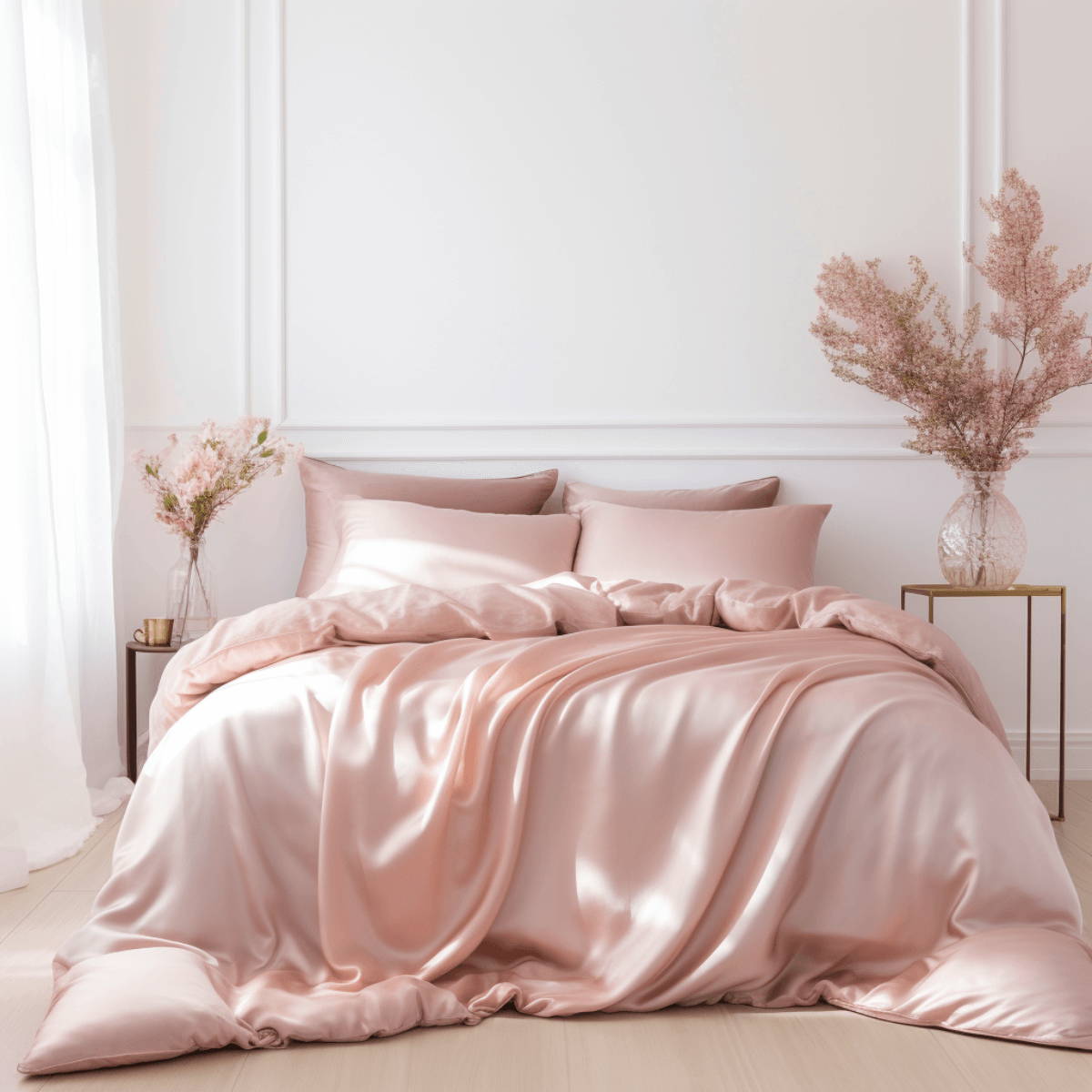
Every dollar spent on luxury bedding should deliver measurable guest satisfaction and durability. This report equips you with the technical literacy to distinguish true luxury...
Use this section to connect the main question around Premium Bedding Market Positioning: From Commodity to Luxury with the practical criteria already covered in the article.
Compare materials, fit, care needs, and the linked product or collection resources before moving from research to purchase.

Last updated: · By: Kelly Eleanor
For readers comparing Premium Bedding Market Positioning Report: From Commodity to Luxury, these supporting resources add more context: 25mm 6A+ 100% Mulberry Silk Duvet Cover; 23mm 6A+ Mulberry Silk Bedding; Beyond Thread Count: 5 Surprising Secrets to Picking the Perfect Bed Sheets.
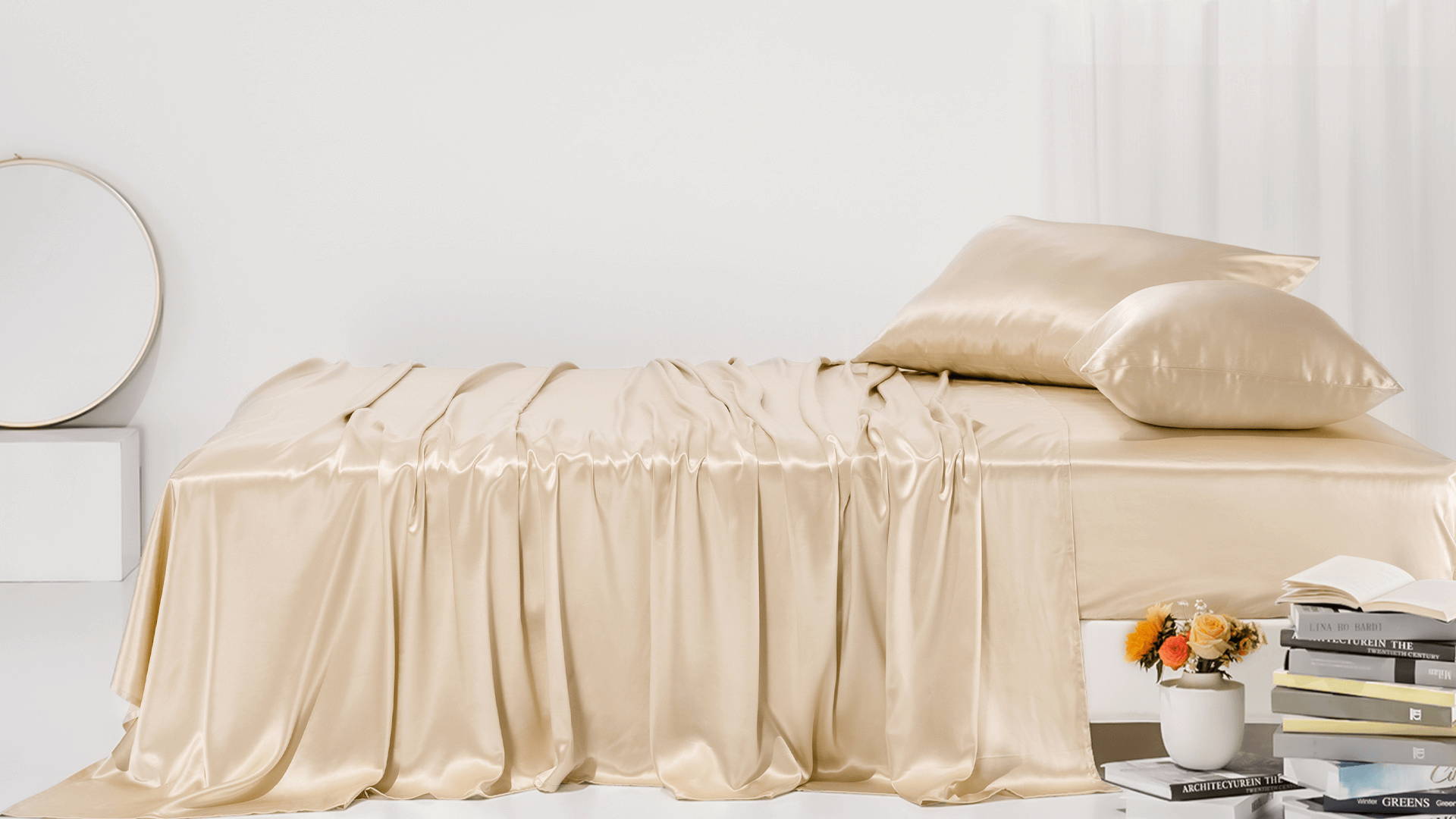
In the high-stakes environment of luxury hospitality procurement, technical literacy is the only defense against the "commodity trap." To differentiate true luxury from mass-market deceptive branding, the procurement officer is required to move beyond aesthetic appreciation and master the underlying material science. Understanding base metrics is not merely a technical exercise; it is a strategic mandate that ensures every dollar of capital expenditure translates into measurable client satisfaction and operational durability. At Promeed, our 23mm 6A+ 100% Mulberry Silk Duvet Cover exemplifies how fiber integrity and weave precision create a product that withstands the rigors of luxury hospitality.
Thread count—the number of individual yarns per square inch—is frequently manipulated by manufacturers to inflate perceived value.
The structural integrity of a textile is dictated by its "staple"—the length of the individual fibers. Short fibers require more splices, creating weak points and a "scratchy" hand-feel.
Feature |
Long-Staple Cotton (Egyptian/Supima) |
Standard Upland Cotton |
Fiber Length |
Exceptionally long, continuous fibers requiring minimal splicing. |
Short-staple fibers requiring frequent splicing to form yarn. |
Structural Integrity |
Superior; creates a cohesive, high-tensile strength yarn. |
Lower; prone to fiber breakage and structural failure. |
Tactile Experience |
Lustrous, soft, and "liquid" feel. |
"Crisp," "starched," and dry texture. |
Visual Shadowing |
Smooth, soft shadows that resist wrinkling. |
Harsh, sharp shadows indicating structural rigidity. |
Longevity |
High pilling resistance; maintains integrity over hundreds of cycles. |
High pilling rate; rapid degradation of surface texture. |
The investment in long-staple fibers, such as Egyptian Cotton, is a calculated business decision. While the upfront cost may be 10 times higher than standard Upland cotton, the ROI is realized through the reduction of "harsh shadows" and pilling. Standard cotton degrades quickly, requiring frequent replacement cycles that erode margins. Long-staple fibers maintain their luster and structural cohesion over time, extending the product lifecycle and ensuring the visual prestige of the property remains uncompromised. For a deeper dive into thread count myths, read our article The Thread Count Myth and 4 Other Secrets to Buying Bed Sheets Like a Pro.
The quality of the raw fiber provides the foundation, but the method of assembly determines the fabric's ultimate functional "personality."
Weave selection is a critical failure point in procurement if not aligned with the target climate and aesthetic profile. It dictates the thermal regulation of the sleep micro-climate and the visual drama of the guest suite.
Jacquard is a significant luxury differentiator that justifies a premium price point through technical complexity. Unlike simple weaves, Jacquard involves "air-jetting" or shooting fine yarns across the loom in intricate arrays. Because fine luxury yarns are fragile, this process results in significant breakage during production. A Jacquard weave often requires two to three times the raw material of a plain weave to account for this waste and the intense loom-time required for programming. It is a mark of artistic prestige and technical manufacturing prowess.
The procurement officer must navigate the tension between function and form. While a Jacquard or Sateen weave provides the "Versace-level" visual opulence required for flagship suites, the "one-over, one-under" Percale weave is functionally superior for thermal regulation. Selecting the wrong weave for a tropical resort or a high-performance sleep suite is a strategic error that directly impacts guest satisfaction scores. Explore our Mulberry Silk Sheets collection to see how weave and fiber combine for optimal performance.
Weave construction must be expertly paired with the inherent properties of the fiber to achieve a balanced, high-tier textile.
Market placement is signaled primarily through material origin. A sophisticated procurement strategy utilizes a "Price Ladder" to align material costs with guest expectations.
The Bedding Price Ladder (Apex to Base):
The massive price discrepancy between natural fibers and synthetics is rooted in skin health and sleep quality. Synthetic polyester, derived from petroleum, traps heat and moisture, creating a "smothering" sensation. Natural fibers like silk and linen actively manage the sleep environment. In the luxury sector, "cheap" is expensive; the failure of a synthetic sheet to manage moisture leads to a compromised guest experience that far outweighs any initial savings. For a curated selection of premium bedding, explore our Luxury Home collection.

Beyond traditional metrics, modern luxury bedding incorporates advanced textile technologies that enhance durability, comfort, and sustainability. Procurement officers must validate these claims through objective testing and certification.
Natural fibers like silk and bamboo possess inherent antimicrobial properties due to their protein or cellulose structure. Silk, in particular, contains sericin, a protein that resists dust mites and mold. Third-party certifications such as OEKO-TEX Standard 100 provide assurance that no harmful chemicals are present. At Promeed, our 25mm 6A+ 100% Mulberry Silk Duvet Cover is tested for purity and safety.
Advanced moisture-wicking fabrics use hydrophilic fibers to draw sweat away from the body. Bamboo and Tencel are particularly effective, with moisture vapor transmission rates (MVTR) exceeding 10,000 g/m²/24h. For hot sleepers, a percale weave in long-staple cotton or a silk charmeuse provides optimal cooling. Our 23mm 6A+ Mulberry Silk Bedding collection is designed for year-round comfort.
Luxury consumers increasingly demand transparency in sourcing. Certifications like GOTS (Global Organic Textile Standard) for organic cotton and FSC (Forest Stewardship Council) for Tencel ensure environmental responsibility. Promeed sources mulberry silk from ethical farms that practice sustainable sericulture. For a comparison of sustainable materials, read Eucalyptus, Vegan, Bamboo or Mulberry Silk Sheets - What's the Best Choice?.
Based on the technical analysis above, here are actionable recommendations for procurement officers and hospitality buyers:
Ready to elevate your bedding procurement? Shop the 23mm 6A+ Mulberry Silk Duvet Cover
To see how Promeed compares to other brands, read our Lilysilk Vs. Promeed Silk Reviews.
The optimal range is 300–400 for breathability and durability. Higher thread counts above 600 often use multi-ply yarns that reduce airflow and comfort.
Silk charmeuse is better for hot sleepers due to its natural protein fibers that wick moisture and regulate temperature. Sateen, being a cotton weave, retains more heat.
Conduct the "Breathing Test" for breathability, check for OEKO-TEX certification, and request fabric swatches to evaluate hand-feel and drape.
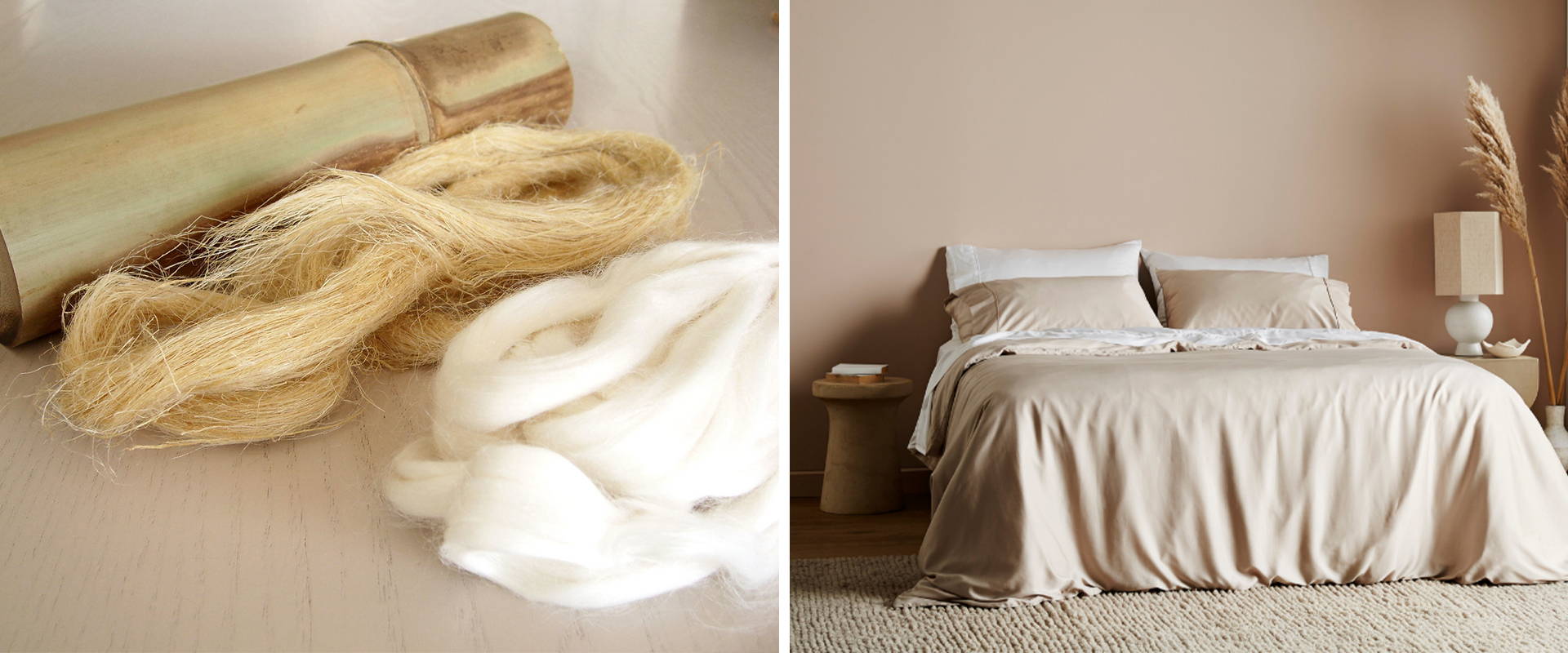
Best Sheet Materials for Hot Sleepers: Breathable Fabrics Guide
For hot sleepers, the best sheet materials are generally natural fibers and specific weaves that prioritize breathabilityand moisture-wicking capabilities.
En savoir plus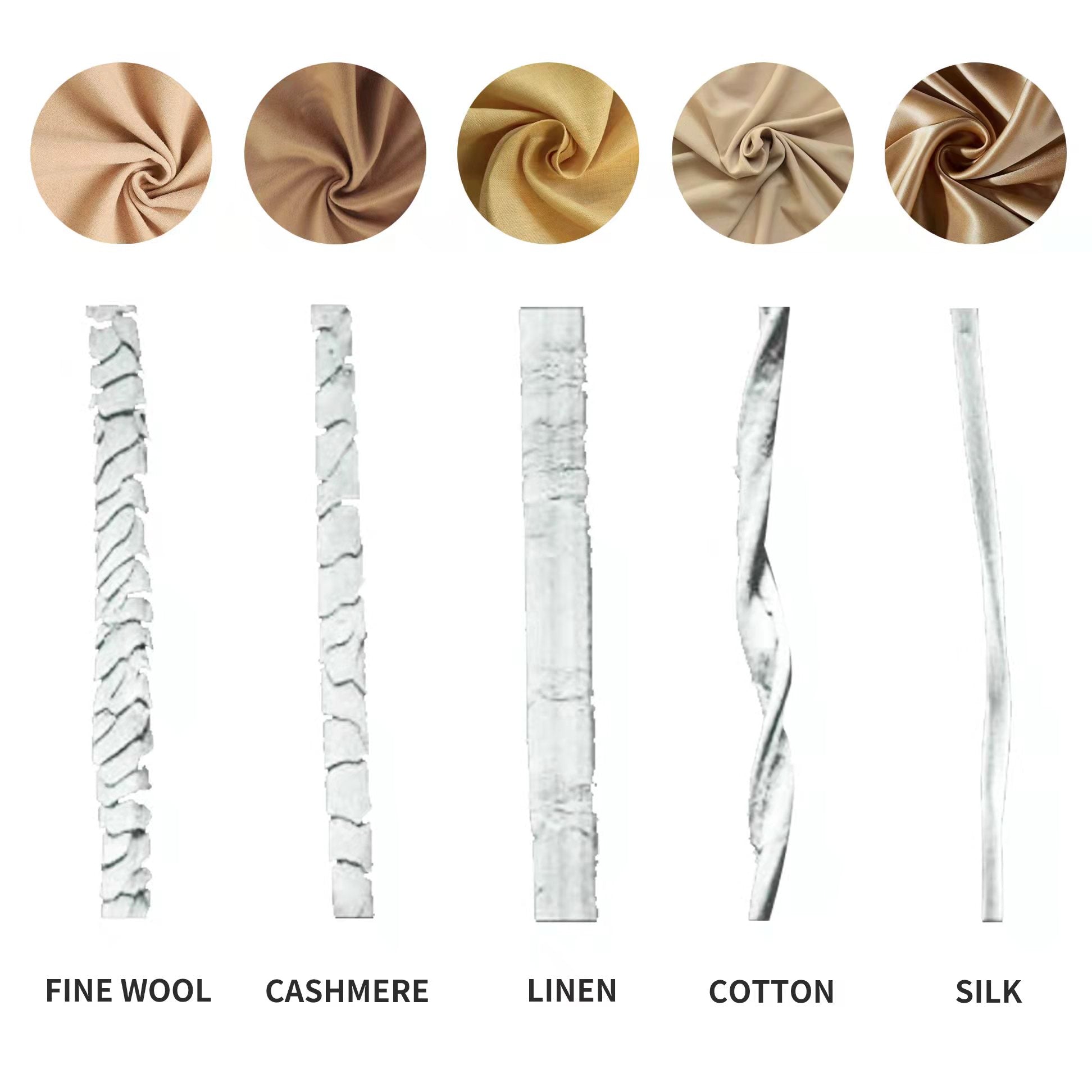
Linen vs Silk vs Cotton Durability: Which Fabric Lasts Longest?
Based on the sources, linen is considered the most durable of the three materials, while the durability of cotton depends heavily on its fiber length and thread count. Silk is categorized as the ul...
En savoir plus
Laisser un commentaire
Ce site est protégé par hCaptcha, et la Politique de confidentialité et les Conditions de service de hCaptcha s’appliquent.