
Spring Sale! Upto 50% Off!
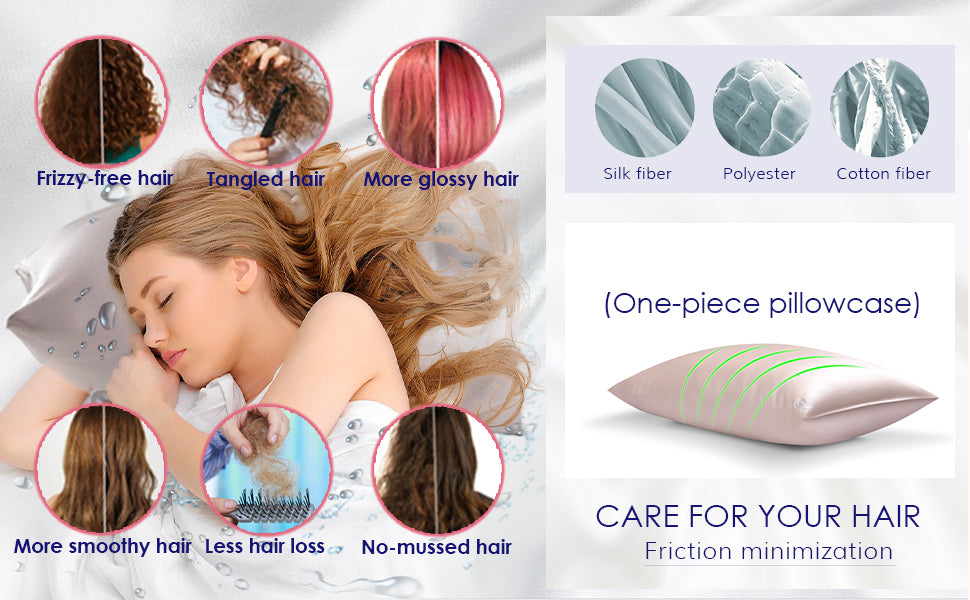
Blissy charges $89 for 22mm silk. Promeed delivers 23mm with Shop 23mm 6A+ Zipper Mulberry Silk Pillowcases 2 Pack for $35. Here's why the extra millimeter matters more than the logo.
Last updated: · By: Promeed AM
When you search for the best silk pillowcase, you're likely comparing Blissy and Promeed. Both use Grade 6A mulberry silk, but the real difference lies in the momme weight—a measure of fabric density. Blissy uses 22 momme, while Promeed uses 23 momme. That one extra millimeter means 4.5% more silk fiber density, resulting in a tighter weave that is more durable, better for skin and hair, and longer-lasting. After several washes, a 23mm pillowcase maintains its smoothness and structural integrity, while 22mm may show signs of wear sooner. For the urban professional investing in quality sleep, this difference translates to tangible benefits: fewer sleep creases, less hair friction, and a pillowcase that stays luxurious wash after wash.
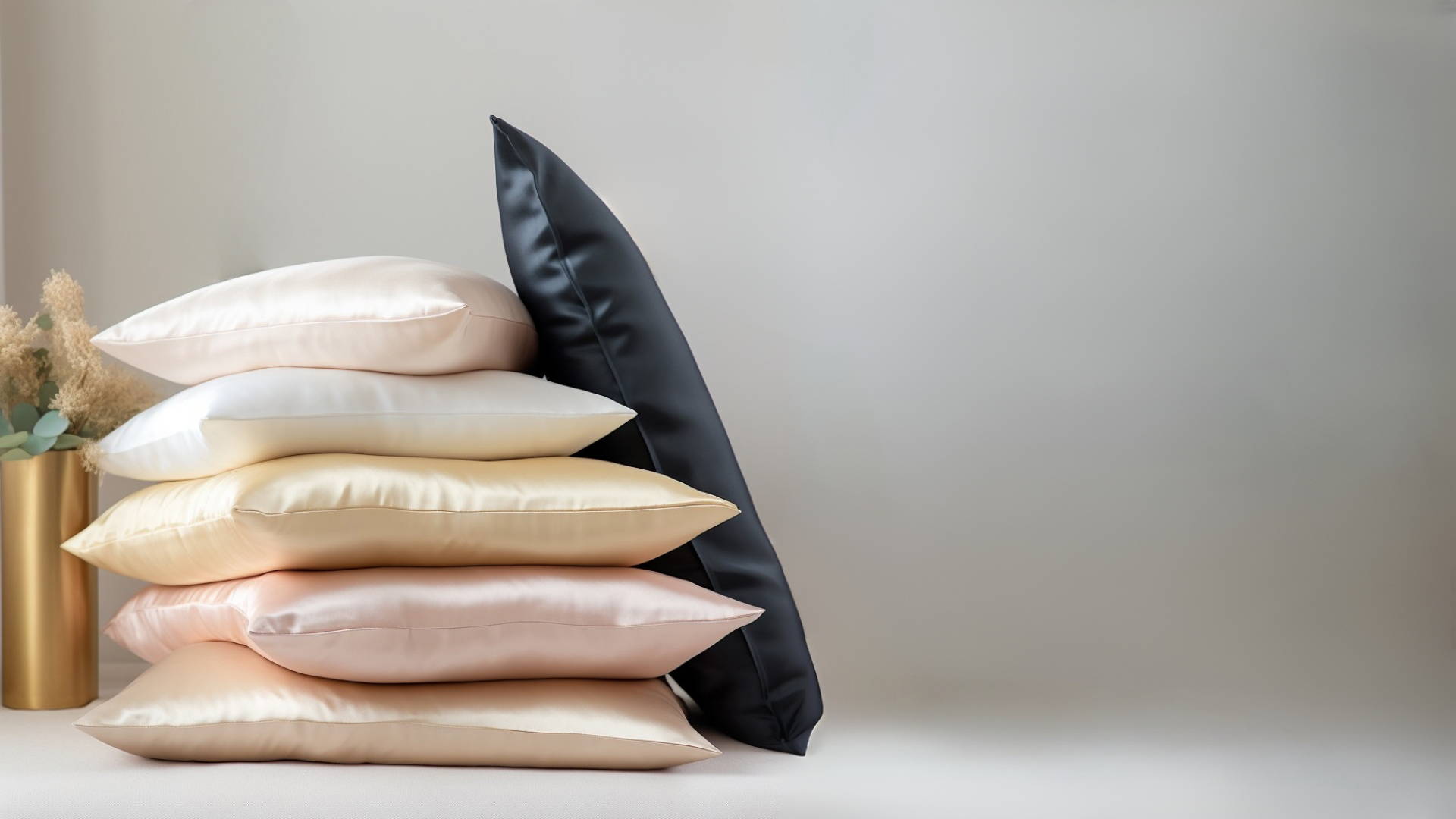
Blissy's $89 price tag reflects significant marketing investment—celebrity endorsements, Google Ads, and influencer partnerships. Promeed's direct-to-consumer model passes those savings to you. The raw material cost of Grade 6A mulberry silk is globally standardized; both brands source similar base silk. The difference is that Promeed invests in a higher momme weight (23mm vs. 22mm) and vertical supply chain efficiency, not advertising. When you choose Promeed, you're paying for superior material, not a logo. This is especially relevant for value-seekers who pride themselves on intelligent purchases—you get more silk density for less than half the price.
Many shoppers assume a higher price means better quality, but in the silk industry, that's not always true. Both Blissy and Promeed offer OEKO-TEX certified, Grade 6A mulberry silk. The key differentiator is momme weight. Promeed's 23mm silk provides a tighter weave, which reduces pilling and increases tensile strength. Over time, this means your pillowcase will resist abrasion and maintain its smooth surface longer. In practical terms, a 23mm pillowcase can withstand more wash cycles without losing its luster, making it a better long-term investment. For the environmentally conscious shopper, durability also means less frequent replacement—a win for both your wallet and the planet.
| Metrics | Blissy | Promeed |
|---|---|---|
| Momme Count | 22 Momme | 23 Momme (Superior) |
| Silk Grade | Grade 6A Mulberry | Grade 6A Mulberry |
| Certification | OEKO-TEX Standard 100 | OEKO-TEX Standard 100 |
| Retail Price | $89.00 | $35.00 |
*Prices subject to change based on seasonal promotions.
To maximize the lifespan of your 23mm silk pillowcase, follow these care tips: hand wash or use a gentle machine cycle with cold water and a mild detergent specifically designed for silk. Avoid fabric softeners and bleach, as they can break down the silk fibers. Air dry away from direct sunlight, or tumble dry on low heat. With proper care, a 23mm pillowcase can last 2-3 years, while a 22mm may need replacement sooner due to fiber wear. For travelers, packing a second pillowcase ensures you always have a clean, skin-friendly surface—consider the 23mm 6A+ Zipper Mulberry Silk Pillowcases 2 Pack for this purpose.
Yes, 23mm silk has 4.5% higher fiber density, making it more durable and better for reducing skin creases and hair friction. The tighter weave also improves breathability and longevity.
If you prioritize material quality and value, Promeed's 23mm silk at $35 outperforms Blissy's 22mm at $89. Both are Grade 6A mulberry silk, but Promeed offers superior density at a lower price.
Absolutely. Silk's smooth surface reduces friction, helping to prevent split ends and frizz. Many users notice less hair breakage after switching to a 23mm mulberry silk pillowcase.
By choosing Promeed, you receive a thicker, more durable 23mm silk pillowcase for less than half the cost of Blissy's 22mm version. It's time to shop for the product, not the box. Explore the Luxury Home collection to find your perfect match, or start with the Hydrating Mulberry Silk Pillowcase for added skincare benefits.
Shop the 23mm 6A+ Zipper Mulberry Silk Pillowcases 2 Pack
A useful durability comparison should separate the material itself from the way the fabric is made. Fiber length, yarn quality, weave, finishing, washing habits, and how often the item is used all change the result. That is why two products made from the same material can age very differently in a real bedroom. When comparing linen, silk, and cotton, treat lifespan as a practical range rather than a single promise.
Linen usually wins on raw abrasion resistance because flax fibers are naturally long and strong. Its crisp hand can feel less smooth at first, but the fabric often becomes softer with repeated washing. The trade-off is that linen wrinkles easily and may not give the polished, glossy look some sleepers want. For shoppers who prioritize many years of everyday use and do not mind a relaxed texture, linen is often the most durable choice.
Silk needs a different standard. A high-momme mulberry silk fabric can be long lasting, but it rewards gentle care more than rough handling. Its smooth surface reduces friction against hair and skin, which is one reason people choose it for pillowcases and bedding accessories. The same smoothness can make snags, harsh detergents, or high heat more noticeable. Choose silk when the goal is a balance of comfort, low friction, temperature feel, and a luxury surface, then protect that surface with careful washing.
Cotton has the widest quality range. Long-staple cotton and a balanced percale or sateen weave can perform well, while short-staple cotton may pill, thin, or lose smoothness sooner. Thread count alone does not prove durability because very high numbers can come from finer or multi-ply yarns. A better buying check is to look at staple length, weave type, fabric weight, and care instructions together. Cotton is often the easiest material to wash, but it is not automatically the longest lasting.
Care routine is where many durability differences appear. Wash with a suitable detergent, avoid bleach unless the care label clearly allows it, and reduce high-heat drying when possible. Rotating pillowcases and sheets gives fibers time to rest between uses, while overloading the washer increases friction. For silk, a mesh laundry bag and air drying are especially helpful. For linen and cotton, prompt drying and proper storage can reduce deep creasing, mildew risk, and unnecessary fiber stress.
Before buying, match the fabric to the job. Choose linen for a relaxed texture and maximum long-term toughness. Choose silk when a smooth, low-friction sleep surface is the priority and you are willing to care for it gently. Choose high-quality cotton when easy laundering and everyday familiarity matter most. The best value is not always the material with the longest theoretical lifespan; it is the one whose maintenance fits your routine.
A quick decision checklist can keep the comparison practical: first, decide whether softness, cooling feel, low friction, or maximum lifespan matters most. Second, check the construction details instead of relying on one marketing number. Third, read the care label and ask whether you will realistically follow it. Finally, compare cost per year of use, not just the initial price, because a fabric that lasts longer with proper care may be the better long-term purchase.
For daily-use bedding, durability also depends on where the fabric receives pressure. Pillowcases face facial oils, hair products, and repeated friction in one small area. Sheets experience body movement across a wider surface, while duvet covers may last longer because they are washed less often. This means the same material may perform differently by product type. A silk pillowcase, a linen sheet set, and a cotton duvet cover should be judged by their own wear pattern instead of one general fabric ranking.
The easiest warning signs to monitor are thinning areas, broken yarns, pilling, rough patches, stretched seams, and dullness that does not improve after washing. Some visual change is normal for natural fibers, especially linen and cotton, but sudden texture changes usually mean the care routine is too harsh. If a fabric begins to feel brittle, reduce heat, shorten wash time, and avoid strong additives. Small adjustments often extend useful life more than replacing the item early.
A fair comparison also considers comfort over time. Linen may become more comfortable as it softens, cotton may feel familiar immediately, and silk may keep a smoother surface when handled gently. If the fabric lasts for years but does not match the sleeper's texture preference, it may not be the best value. Durability should support the sleep experience, not replace it. The strongest choice is the material that stays comfortable, attractive, and realistic to maintain in your household.
When comparing prices, divide the expected cost by the realistic years of use under your own care habits. A lower upfront price can become expensive if the item pills, thins, or needs frequent replacement. A higher-quality fabric can be worthwhile when it reduces replacement cycles and keeps its feel longer. Use that cost-per-use view alongside softness, temperature feel, and maintenance level to make a balanced decision.
For Promeed shoppers leaning toward silk, the practical takeaway is to focus on momme weight, mulberry silk quality, and care discipline together. A heavier silk fabric can feel more substantial, but it still needs gentle washing and protection from rough surfaces. If easy machine washing is the top priority, cotton or linen may feel simpler. If smoothness and lower friction are the top priority, silk can justify the extra care.
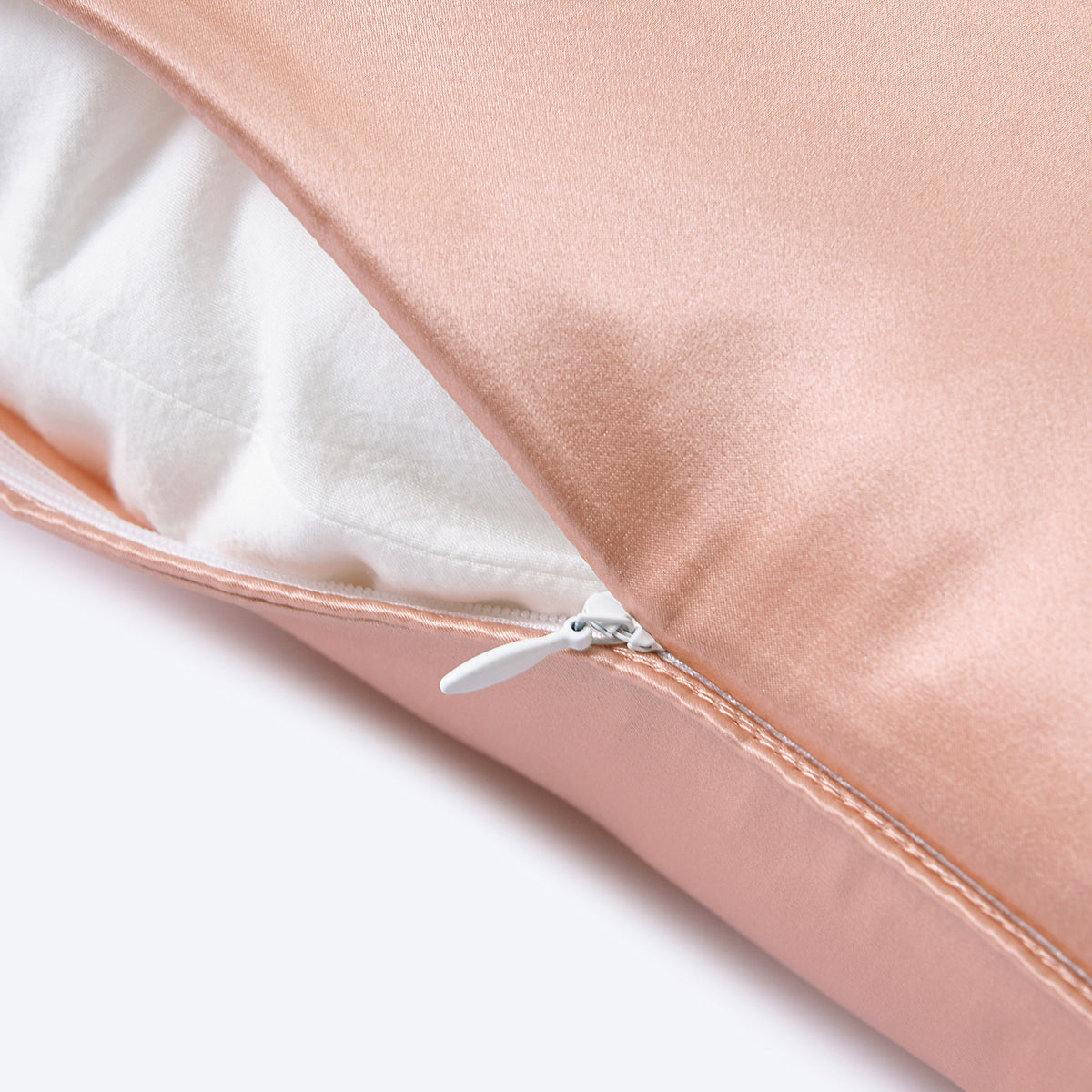
Silk Pillowcase Guide: Benefits, Care & How to Choose
Discover how silk pillowcases can transform your sleep experience and beauty routine. This comprehensive guide covers benefits for hair and skin, how to choose the right silk pillowcase, proper car...
Leer más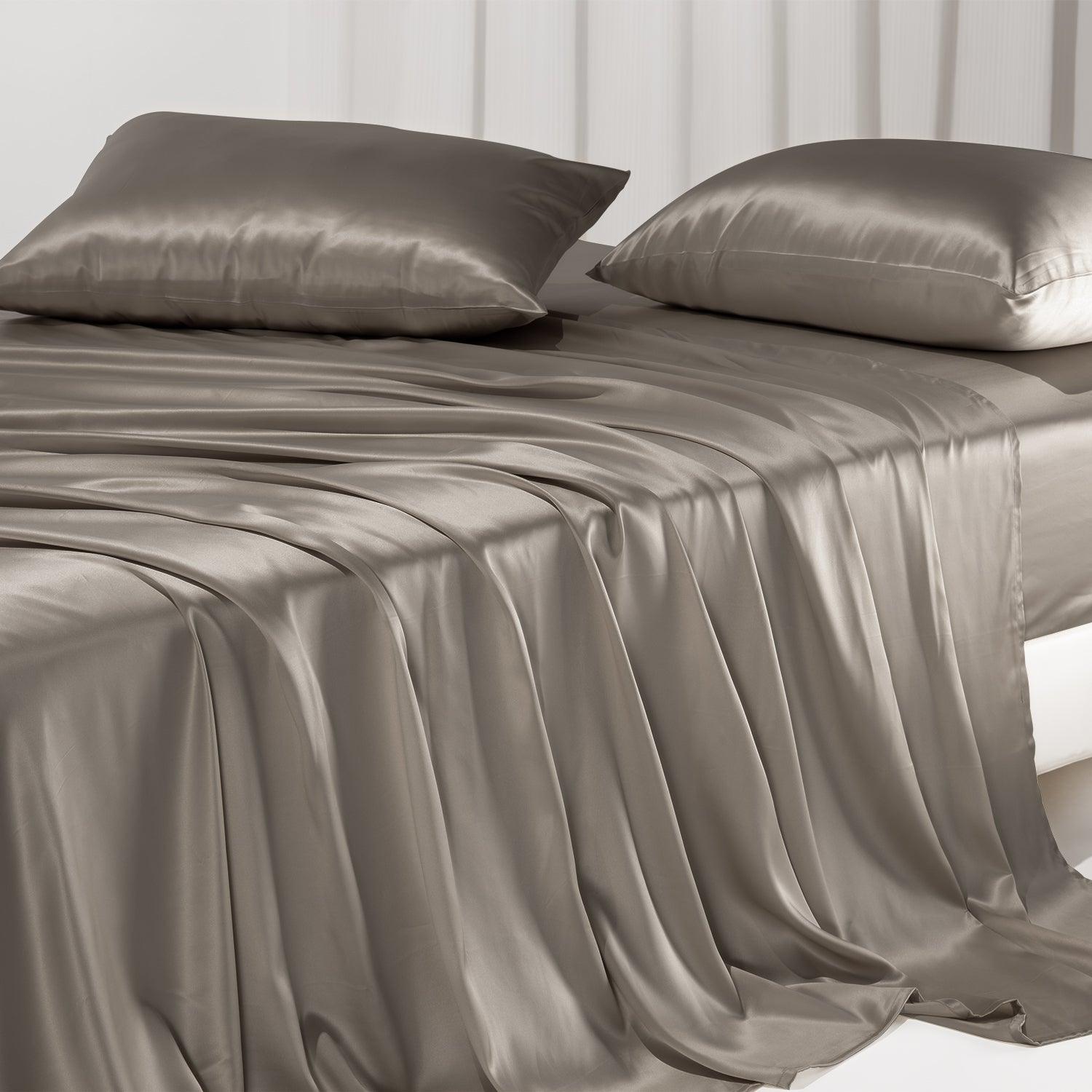
Ultimate Bedding Material & Classification Guide
Welcome to the world of textile science. I come from a family that has been manufacturing bedding for over two decades, producing for the largest retailers in the country. I have seen every marketi...
Leer más
Dejar un comentario
Este sitio está protegido por hCaptcha y se aplican la Política de privacidad de hCaptcha y los Términos del servicio.