
Spring Sale! Upto 50% Off!
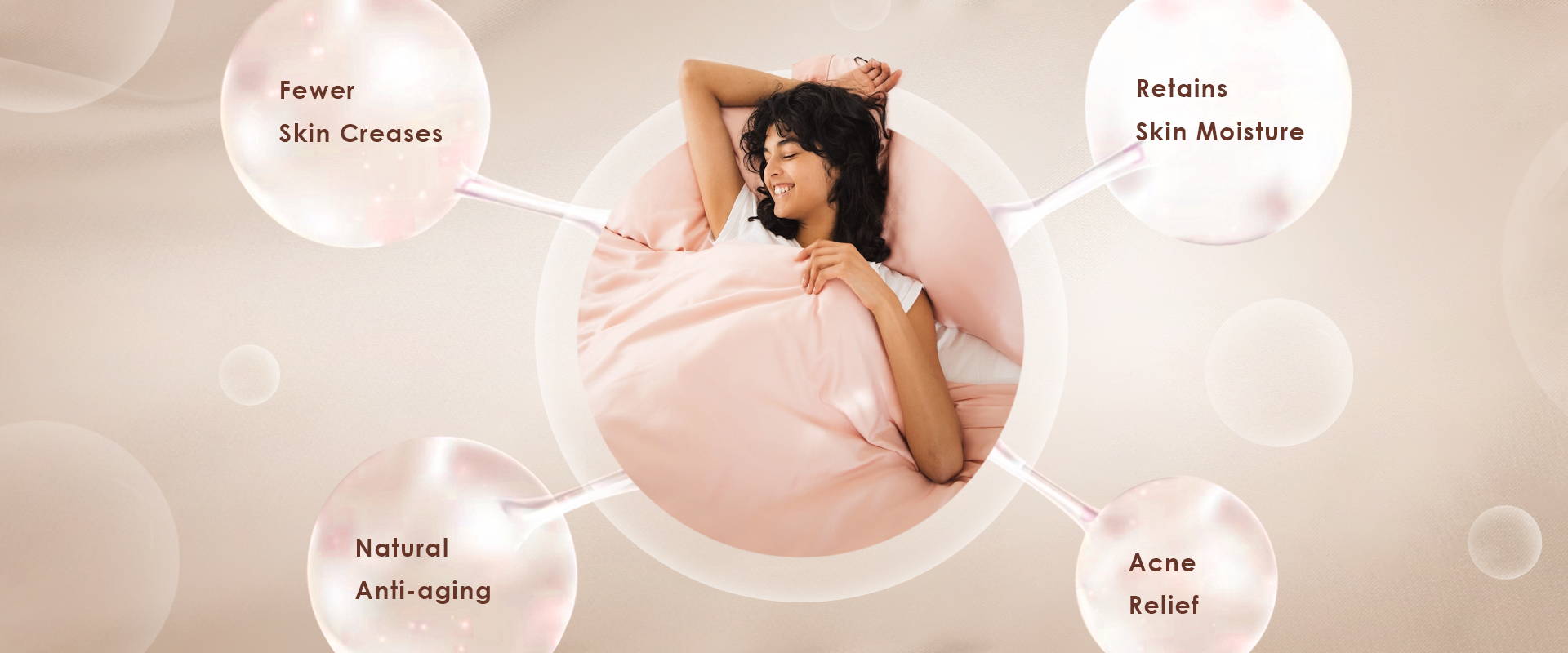
Discover how switching to a 23-momme mulberry silk pillowcase can reduce hair breakage by up to 43% and prevent sleep lines—without changing your nightly routine. Compare the 23mm with 23mm 6A+ Mulberry Silk Pillowcases 6A+ 100% Mulberry Silk Pillowcase With Zipper With Laundry Bag for product details.
Last updated: · By: Promeed AM
If you are comparing The Best Silk Pillowcase for Mature Men: A Simple Nightly Upgrade for Stronger, these resources can help you check product details and next steps. Compare the 23mm with 23mm 6A+ Mulberry Silk Pillowcases 6A+ 100% Mulberry Silk Pillowcase With Zipper With Laundry Bag for product details.
Related reading
- 30mm 6A+ Mulberry Silk Pillowcase With Zipper With Gift Box — Helpful product details for comparing fabric, fit, and everyday use.
- Mulberry Silk Hair Ties — Discover the perfect hair accessories in our Mulberry Silk Hair Ties Collection . From skinny scrunchies to luxurious he
- Silk Pillowcase Guide: Benefits, Care & How to Choose — Discover how silk pillowcases can transform your sleep experience and beauty routine. This comprehensive guide covers be
If you are comparing The Best Silk Pillowcase for Mature Men: A Simple Nightly Upgrade for Stronger, these Promeed resources can help with product details and next steps: 30mm 6A+ Mulberry Silk Pillowcase With Zipper With Gift Box; Mulberry Silk Hair Ties; Silk Pillowcase Guide: Benefits, Care & How to Choose.
The Best Silk Pillowcase for Mature Men: A Simple Nightly Upgrade for Stronger is best for shop with Shop the Best Silk Pillowcase for Menpers comparing comfort, care needs, and everyday use before choosing the right Promeed product.
Start with the benefit that matters most, then use the linked product and collection resources above to confirm materials, fit, and care details.
Mulberry silk is valued for its long, smooth protein fibers, which create a soft surface that reduces rough friction against sensitive skin during sleep.
Look at fabric smoothness, momme weight, breathability, and care routine together so the material feels gentle night after night without becoming difficult to maintain.
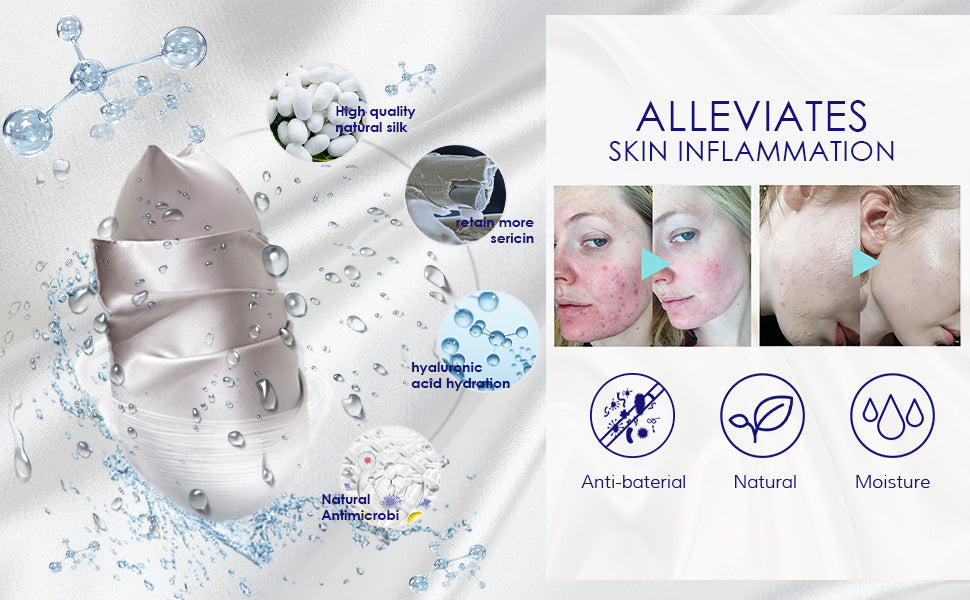
You might not think much about your pillowcase. Compare the 23mm Mulberry Silk Pillowcase for product details. After all, it's just fabric wrapped around your pillow, right? But here's something interesting: men between 35 and 65 are starting to pay attention to this small detail, and for good reason.
As you move through your thirties, forties, and beyond, you probably notice changes. Maybe your hairline isn't what it used to be. Perhaps you see fine lines that weren't there a few years ago. Your skin might feel rougher, or you wake up with deep creases on your face that take longer to fade. These aren't just signs of getting older—they're signals that your body needs different care than it did in your twenties.
Here's where silk pillowcases come in. This isn't about being fancy or high-maintenance. A silk pillowcase is a simple upgrade that fits right into your current routine without asking you to change anything else. You're already sleeping seven or eight hours a night. Why not make those hours work better for your hair and skin?
This guide will walk you through everything you need to know about choosing the best silk pillowcase for men who want to keep their hair stronger and their skin smoother. We'll cover what makes silk different, what quality markers to look for, and how to pick the right one for your specific concerns—whether that's thinning hair, sensitive skin, or just waking up looking less tired.
Let's be honest about what's happening. Changes to this site have probably been noticed by you; you're likely upset by them.
Hair loss is perhaps the most serious problem. As you groom, you may become aware of a greater amount of your scalp showing or that your hair does not now have the same volume it had previously. You are beginning to see receding hairline. As you run your hand through your hair, it's likely that some strands are pulled out, more so than in the past.
New hair following hair transplant can be surprisingly delicate. Sensitively planted roots require some care and nightly exuberance won't help them.
Gray hair changes texture too. It tends to get drier, coarser and more difficult to deal with. Ten years ago what worked for your hair might not work now. When you wake up, your hair is a mess with every strand sticking out in a different direction. There are awkward angles and frizz all over your head, along with a particularly persistent cowlick. Taming this looks requires considerable effort.
Your face has a lot of character. Fine lines are to be expected, the wrinkles around your eyes indicating a life rich in experience. Those lines in the face are different from the deeper wrinkles. You wake up to find that you have a mark left on your cheek or forehead by the pillow and this remains for several hours. As time passes, they become established features.
The texture of your skin feels coarser now. It becomes more irritated, particularly if you shave daily. Redness of the skin after shaving can persist, often lasting longer than it used to. In your younger years it may have cleared up quickly, however now it remains. It is possible that the acne you thought you had outgrown in high school has returned, appearing this time in your 40s.
Skin that uses retinol or vitamin C based treatments can be a little more sensitive. These products do come with the effect of increasing skin's susceptibility to irritation and to friction.
In fact, most people do not consider the following fact: your pillowcase comes into contact with your face and hair for a third of your lifetime. She spends eight hours every single night sleeping. Over 365 days, this situation would result in considerable hours of friction, moisture loss and pressure. Then, multiplied by the number of decades, it's thousands of hours of friction, pressure and moisture loss.
Every time you roll or move about during your sleep you experience your hair coming into contact with your headband or pillow. Your skin is folded and tugged. Essentially, the materials used in the uniform absorb the natural oils of your skin and hair. Night after night, the cumulative effect of these factors causes harm to escalate.
The majority of people use cotton pillowcases without giving it much thought. The cotton fabric's rough texture generates enough friction to drag against your skin and pull on your hair. A variety of touch screen technologies exist, each with its own set of advantages and disadvantages. The experience of typing on some screens can be compared to running a hand over sandpaper in that they can lead to wear on fingers, although the wear and tear may be minor.
So what makes silk special? The key factors in causing a car to malfunction due to starting difficulties are the conditions of the environment, car battery condition and its age, and how well the engine was maintained.
Think about the surface of cotton fabric under a microscope. The surface was decidedly not smooth; instead it had a rugged appearance due to tiny fibres protruding from it in all directions. The friction that causes static cling occurs when your hair or skin moves across the cotton. Friction is in operation here.
Silk is a material that is unique in its own right. Silk is renowned for providing a fabric with one of the most silky smooth surfaces of any natural fibre, making it very comfortable against the skin. When hair is pulled through a piece of silk, it moves easily with little friction. Your skin glides smoothly across your face instead of catching and creasing.
Wearing a style that minimizes tangling while you sleep reduces overnight breakage of your hair. Each individual hair is constructed of concentric layers which overlap. Cotton can catch on these coatings and lift them off or pull them off. Silk maintains things in a smooth condition. People who have thinning hair are particularly likely to damage it.
Having lower friction when it comes to your skin allows for deep creases made during sleep not to become as deep. When your face is at rest, the skin can relax more freely without creasing and folding, thereby reducing the appearance of fine lines and wrinkles.
Cotton fabric is renowned for being highly absorbent, but the reality is that it is also extremely thirsty. In fact cotton fabric consumes far more fabric finishings than other materials. As the textile which is commonly used for making towels, cotton is capable of absorbing water very easily. The problem is when you want a low absorbency fabric for a pillowcase, such fabrics tend to shed a lot.
Your scalp and hair take up the natural oils which they produce. Cotton pillowcases soak up the good stuff from hair treatments, oils and serums you use. Your hair, come morning, is drier than it should be. Similar issues with skin care products occur because any cream or moisturiser, along with other cosmetic treatments, gets absorbed by the fabric instead of your skin.
Silk, unlike other textiles, has an altogether lower capacity for absorbing moisture. Silk is a natural fibre which repels water and oil to a certain extent due to its smooth, tightly woven construction. Sleeping on your face retains more moisture in your hair overnight, and your beauty products can stay in place on your skin instead of transferring to your pillow.
By spending money on your existing beauty routine you are already outlaying cash for cosmetic products. It makes sense to use a pillowcase for a pillow rather than a handkerchief. Handkerchiefs are usually intended for wiping noses.
For men of a certain age who tend to overheat at night, waking up soaked in perspiration can be an especially annoying experience. The thick, fibrous material that makes up cotton is particularly good at keeping the body warm because of its internal structure. The human body doesn't breathe as efficiently as one might assume, especially with the face resting on a pillow. The warm air trapped between the face and the pillow hampers breathing.
Natural silk has a unique texture that allows it to breathe better than other fibres. A better temperature regulation reduces the need for night-time wake-ups due to overheating, leads to less tossing and turning in bed, and prevents excessive sweating.
Additionally, there are the hygiene benefits to consider. In comparison, silk is smoother and has a less absorbent nature than cotton which reduces the likelihood of dust mites and allergens inhabiting the fabric. The smooth surface of a high-quality silk pillowcase provides an unfavourable environment for dust mites. Many people wake up with a runny nose, itchy eyes or a tickly cough due to an allergic reaction to dust mites. The culprit is often their pillowcase.
Let's get specific about what silk pillowcases can do for your hair. This is based on actual research, not wild speculation; it is also consistent with our understanding of the materials properties.
Breaking hair is generally caused by strands splitting when they come under stress or are subjected to friction. If you're experiencing hair thinning, you can't afford to cause further damage that could exacerbate the problem. Split ends are all those hairs that you could have saved.
When you sleep, a silk pillowcase can benefit your hair. The smooth fabric reduces friction on your locks, preventing bedhead from becoming frizzy, brittle and damaged. With smooth pillowcases your hair doesn't catch as it moves across the pillow. Men with shorter hair are particularly affected as the individual strands have direct and uninterrupted contact with the pillowcase throughout the night.
When hair is dry it becomes frizzy due to the cuticle lifting away from the hair's central core. Nightly rubbing of cotton items against your hair can cause damage to the cuticle layer of the hair shaft, which results in the frizzy look. The use of silk in your pillowcase allows hair to be less frizzy in the morning. This is because silk does not get electric with you when you sleep.
Dry, brittle, grey hair is much more prone to the wiry appearance that so many people dislike. Sleeping on a silk pillowcase can help reduce hair breakage and preserve moisture. This should make the strands less unruly and simpler to style.
You may be sporting a hair replacement or have hair loss, or perhaps have had a hair restoration treatment. Regardless of the amount of hair that remains after surgery, it is fragile and the new strands are highly susceptible to damage in the first three months after the transplant.
The implanted hair follicles are attempting to grow in new locations, which they are not used to. Initially the hairs emerging from them are thin and brittle. You should avoid any tugging or pulling at the hair each night. Delicate hair tends to be thinner than thicker, healthier hair, its strands usually being finer and more prone to breakage.
Using a silk pillowcase is recommended for individuals with hair that is particularly delicate as it reduces friction. When brushing your hair with a comb, less tension is required as you are not having to separate locks with your fingers. As a result, you will not have to pull so hard and therefore the likelihood of hair loss is decreased. Also, as the scalp is not being touched, there is reduced irritation. While the application of silk does not lead to hair regrowth, it is crucial to note that it does not hinder the growth of hair either.
Here's a practical benefit you'll notice right away: better-looking hair when you wake up. Men with short hair know the struggle of morning bedhead—that flat spot in the back, the weird angle on one side, the cowlick that suddenly appeared overnight.
These problems happen partly because of how your hair gets pressed and folded against a rough surface all night. Cotton can actually reshape your hair in ways that are hard to fix without getting it wet and starting over. Silk's smooth texture means your hair maintains its shape better. Short styles hold their structure, and you spend less time in the morning trying to fix what your pillowcase messed up.
If you have longer hair or are growing it out, silk helps keep it from tangling into knots overnight. Tangles lead to breakage when you try to comb them out in the morning. Smoother skin and healthier hair both start with reducing unnecessary damage, and your pillowcase plays a bigger role in that than you might expect.
The benefits of silk pillowcases for hair aren't magic—they're simple physics. Less friction equals less damage. Less damage equals stronger, better-looking hair over time.
Nightly skin cell shedding is a natural process in the skin. Let's talk about what silk pillowcases can actually do for your face.
Lines on your face that resemble a map are the folds which appear in your skin. These are caused by the way you have been sleeping and are often found on the forehead and the cheeks. As we get older wrinkles relax, and lines on the skin fade quickly. Their lingering presence can sometimes persist right through to your afternoon coffee break.
During the night, when you lie on your side or stomach, the skin on your face is compressed and folds back onto itself against the pillowcase. The rough nature of cotton allows it to cling to your skin for many hours, holding the folds in place. As you age, the body's ability to produce collagen and elastin is diminished resulting in skin that is less resilient. As time goes by the wrinkles grow deeper and they remain visible for longer periods. With time, the creases and wrinkles gradually become more pronounced, eventually becoming fine lines that remain visible.
This texture is made slippery by the nature of silk. When it comes into contact with the skin, the smoothness of silk allows skin to glide over it rather than catch. During the night your face does not bunch up against your pillow but instead slides from one side of it to the other. The effect of the system is a more even distribution of the pressure, therefore not producing the deep compressive marks. This does not remove existing wrinkles. However, the pressure can help to reduce the mechanical stress that causes new lines to form on the skin.
Regular habits can leave an imprint, so to speak. If you repeat the same movement day in and day out, you'll start to notice lines and creases forming on your hands. Paper isn't the only thing that can be creased and worn down by repetitive motion. It functions like the skin on other parts of the body, such as your back or arms. The nightly folding process can be reduced to prevent further creasing.
If you are using products containing retinol, night creams or skincare serums, then you're investing considerable time and money in your skin. It is frustrating that cotton pillowcases soak up a large portion of whatever you apply to your skin.
The majority of skin repair work is undertaken by the skin at night. As such, it makes sense to apply night care products before going to bed. When expensive skin creams are used at night and some of it gets absorbed by the pillow case, rather than penetrating the skin, then the full effect is not obtained. Cotton is prone to absorbing water from the skin which in turn can make the skin feel wet and sticky. Silk however has a more different effect on skin moisture.
Due to its densely woven, smooth texture, silk fabric causes products to stay on the skin longer. This results in more time for the product to be effective. Because your skin isn't losing moisture throughout the day, overnight it does tend to retain more water. Dry or rough skin particularly needs this - it is crucial to preserve the protective layer of moisture which enables damaged skin to repair itself efficiently.
Long-term hydration can help keep skin supple. Well-hydrated skin tends to appear more youthful and to have fewer signs of aging. The technique may not provide instant results, but it will definitely make your skincare routine more effective.
You may shave your face every day or possibly every few days. Dermaplaning eliminates the outermost layer of the skin and also removes fine hair from the face. The result is skin that is sensitive and more prone to irritation. After you've shaved, you rub your face against a towel with a rough texture. Repeated friction on the same spot in the spinal disc is thought to cause damage.
Those with acne-prone skin are usually adversely affected by this kind of ongoing irritation. Excessive friction can exacerbate existing acne by transferring bacteria around your face and lead to more breakouts. Given that you are currently using a prescription acne product or a medicated non-prescription treatment, your skin's barrier function may be impaired. The addition of irritants such as dust mites trapped inside your pillowcase does not improve the situation.
Silk fabric is gentler on the skin due to its non-abrasive texture. Sleeping in cotton night clothes helps prevent itching and keeps your skin healthy. While silk pillowcases won't be the answer to acne, they do help create a softer sleeping environment which in turn helps to promote healthier skin.
Individuals with male skin may suffer from rosacea, eczema or general skin irritation which causes their skin to be highly reactive. Individuals with this condition may alleviate some of their symptoms by minimising stimuli in their surroundings, for instance, by using a softer pillowcase.
The quality of your sleep impacts on a lot of aspects of your life including your mood, how you work, your overall health and even how you look. While a silk pillowcase won't cure sleep disorders, it may alleviate a number of minor disturbances which disrupt sleep.
Those who sweat a lot at night know the usual pattern to their nocturnal activity - after going to sleep with no problem, they wake up an hour or so later, covered in sweat. Restless, you turn your pillow over to the cooler side, perhaps throw off the bedclothes, try to drift back to sleep. Repeatedly throughout the night this is happening, this is disrupting your sleep.
A cloth made of cotton keeps the heat from escaping from your head. At night your body temperature naturally falls, a normal event connected with the sleep process. However, a hot pillowcase interferes with this cooling process. At night, people often wake up and are unable to get a deep rest.
Cotton fabric is generally less effective at regulating body heat than silk. Breathable materials which are able to allow moisture to escape don't trap heat in the same way that materials such as synthetic fibres do. A cooler sleeping surface can help you stay at a comfortable body temperature. Sleeping cooler makes it easier to sleep soundly through the night.
As age increases, this becomes a growing concern. Though not exclusively a condition of older men, night sweats are common in middle-aged males. Hormonal shifts, medication side effects and other factors can trigger them. It's a good idea to maintain a comfortable bedroom temperature in order to get to sleep.
Are you waking up with a blocked nose, sore eyes or a tickly throat? It could be the changing seasons or the state of your bedroom that is the cause of your sleeplessness but it is also possible that your pillowcase is the source of the problem.
Cotton is the perfect place for dust mites to live, eat and multiply. They live on human skin particles, which we naturally shed throughout the night, and the softness and warmth of cotton suits them perfectly. They are a common allergen which causes general misery, sneezing and congestion.
The tightly woven texture of high quality silk is unappealing to dust mites. Cotton pillowcases tend to trap dust mites and other allergens due to the texture of the material. This can cause breathing difficulties in some people. Silk pillowcases avoid this problem as dust mites find it difficult to cling to them. While silk does not offer a completely hypoallergenic environment, it does help to lower your contact with common allergens you might find in a bedroom.
When breathing is easier, one sleeps better. Nasal passages which are not blocked allow for easier breathing at night. Using better breathing techniques can improve the amount of oxygen you breathe in, leading to more restful sleep. Furthermore, you wake up feeling refreshed, as opposed to being groggy. Additionally, better breathing helps reduce congestion.
A crucial factor that can help people with their snoring problems is sleeping in a comfortable position. Those suffering from obstructive sleep apnea or those who experience severe snoring should consult with a medical professional. While a new pillowcase may address the problem, structural defects or a medical condition can not be rectified by this action.
For many males, snoring worsens when they are hot, uncomfortable, or congested. If breathing through the mouth is necessary due to nasal congestion then snoring is more likely to occur. The nasal congestion is probably caused by an allergic reaction to your pillow. When you are hot and uncomfortable you tend to sleep in positions that are not the most conducive to breathing. This can make you snore more.
Using a silk pillowcase can make the conditions in which you sleep more likely to enable a good night's rest. It does this in two ways: by keeping you cooler, and also by reducing exposure to allergens. While you may not directly reduce the amount you snore, you could sleep in positions that reduce snoring, breathe more easily through your nose, and wake up less frequently during the night. He may feel the same way as you do.
Silk production and silk fibre quality vary greatly. Silk pillowcases can be bought at a price which is as cheap as $15 and also as expensive as $150. In truth the distinction lies in the material itself, not just its presentation, and this influences the quality of use of the pillowcase and its durability.
When purchasing a silk product, shoppers will notice various labels such as 'mulberry silk pillowcase,' 'silk pure,' and '100% silk'. Silk bedding of mulberry silk origin is the highest quality you can buy. There are several reasons why this is worth noting.
The mulberry silk, produced by mulberry silkworms which feed exclusively on mulberry leaves, is considered the best quality. Those reared on this controlled diet produce silk fibres of a longer length and greater uniformity than either of the other two types of silk. Longer fibres in a material produce stronger and smoother cloths with less weakness. This kind of weakness may result in the fabric splitting or thinning.
Genuine mulberry silk possesses a chemical structure that is naturally beneficial for the hair and skin. Silk fibres are distinguishable by their round shape and smooth texture. In contrast, the cotton fibre is flat and has a rough surface. This kind of smoothness reduces the coefficient of friction.
When you see "real silk pillowcases" advertised, make sure they specify mulberry silk. A large number of manufacturers use cheaper alternatives to mulberry sericin or blend these with silk before selling them as silk without specifying the mixture. For people who want to take advantage of the benefits of mulberry silk, the best option is to use a pillowcase made entirely from this material.
These silk pillowcase fabrics are described in terms of their "mommes," with the quality of the silk increasing as the momme weight increases - 19-momme, 23-momme, 25-momme silk pillowcases etc. The term "Momme" is an index to the density of silk fabrics, which is an indication of how much the fabric weighs per unit of its area. Higher momme means more silk fibers packed into the same space.
For pillowcase fabric, a momme weight of between 22 and 25 is ideal. Here's why:
Think of momme like thread count in cotton, except it actually means something consistent. For the perfect blend of comfort, durability and a high level of performance, choose a 23 to 25 momme mulberry silk pillowcase.
Generally, products made from silk are graded in a hierarchical manner, with grade 6A denoting the highest quality that is normally encountered in commercial goods. In grading wool, a number of different factors are taken into account including fibre length, uniformity of colour, smoothness and the presence of any damage.
Grade 6A silk means:
The fabric construction, or weave, of a silk pillowcase is also quite important, with the high-quality ones normally constructed from a charmé or charmeuse weave. It produces a smooth finish on the side that faces your skin and hair, while giving a less reflective finish to the opposite side. Silk's smoothness and tensile strength are properties which stem from its tightly woven fibres.
The cheaper options that some producers offer use a more open weave. This has the disadvantage of reducing the material's strength. It is the specific weave of charmeuse silk fabric that produces the benefits you are seeking.
During sleep the average person breathes around 17 times per minute and this can lead to a pillowcase having as much as 2 pints of saliva on it each night. Clothing that you wear against your skin acts as a direct source of chemical exposure. Chemicals from your clothing can easily pass through your skin into your body and are also breathed in. The chemicals in clothing are able to penetrate the skin and you breathe them in.
The products are certified by Oeko-Tex if they have been subjected to a third party test, for substances that are harmful to human health such as heavy metals, pesticides, formaldehyde and other substances which are irritating to the skin. Cheaper silk imports are generally not subject to such testing.
Those with sensitive skin need to be aware of this certification. You shouldn't purchase a pillowcase claiming to be 'hypoallergenic' if it is treated with chemicals which can further irritate your skin. Look for real silk that has been certified as hypoallergenic and is safe for direct skin contact, after undergoing independent safety tests.
The quality of silk is vital but the pillowcase's design also has a significant impact, determining how much you will actually use it and whether the item is to your taste.
There are three main types of closure that you can find in silk pillowcases. These include the envelope closure, the zipper closure and the open end type.
Pillowcases are usually closed by an envelope finish, this being the most popular method. The overlap of the fabric at the top provides a pouch to enclose and secure the pillow without any additional fastening. This pillowcase prevents the pillow slipping out of its pillowcase at night due to its design. Its straightforward design makes it visually attractive. It stops the pillow slipping out of its case during the night. The garment has a very smooth lining where it comes into contact with the skin and the edges have been securely sewn to prevent irritation.
This particular pillow will not shift about since the zipper closure keeps it firmly in place. Though they can be troublesome as they have a tendency to break or catch on delicate silk, zippers can be a nuisance. Select a pillowcase with a concealed zip to prevent the zipper from coming into contact with the skin.
Silk bedding should have a zipper closure or be closed at the head. Pillowcases should be closed at the head and preferably made of a smooth cotton or cotton linen mix. The pillowcase could shift out of place, bunching the material and making the smooth silk fabric not really be against you.
People who move around a lot at night should be protected by a secure top. People are often put off by the feel of the silk fabric against their skin when it is not pressed.
Many consumers make a common error when picking out pillowcases, the choice of a pillowcase in an inappropriate size. Before you make your pillow purchase, check the actual size of your pillow.
Typical dimensions of the cover are 20 inches x 26 inches. This fits standard pillow sizes.
Adult Bath Mat: 20 inches by 30 inches in size.
A pillow which has a cover that is too small for it tends to cause stress to be exerted on the fabric and this in turn will not allow the pillow to be properly covered. Over large bunches of the skin wrinkles are produced which presses into the face, thus negating the effect desired. The garment should fit comfortably without being too tight.
Those sleeping with orthopedic pillows, CPAP pillows or cervical pillows should look for a special case for this type of pillow. They can be found, provided you look for them in particular.
The majority of designs for silk bedding do have a typically feminine appearance. Most men would not choose a bedroom with a decor that includes pastel colours and excessive sheen, even if the product in question is effective.
Richer, darker masculine tones which can be used are charcoal, navy, dark grey, black, deep burgundy and forest green. Dark colours tend to be dignified without being overly flashy and are more effective at concealing imperfections such as scuffs or marks than light colours.
A silk duvet cover has a natural sheen to it, however, you would not want it to appear as if you are sleeping under a theatrical costume accessory. High quality silk has a finish which is characterised by a sheen. This sheen is not overpowering. It does not have a shiny appearance which might suggest that it is of lower quality. The goal is to look elegant and put-together, not like you're trying too hard.
Design motifs and big logos are sometimes used on pillowcase. If you're someone who dislikes the loud proclamation that comes with sleeping on a bed of silk, then look for silk bedding that's more subtle in design. For a baby boy, a straightforward, minimalist style in masculine tones like grey or navy blue is the way to go.
Some men give top priority to their careers. Researching features that are relevant to your priorities involves matching the most suitable ones to the concerns you face
Individuals with thinning hair or a receding hairline should consider the following in particular:
A prominent hairline, a decent density of hair on the crown, and a more youthful appearance are features which people with thinning hair or a receding hairline will be looking for. Those who have had hair transplant work may also be searching for these characteristics.
Maintenance should be carried out every 12 to 18 months regardless of the conditions the unit is subjected to.
While the quality of one's pillowcase might be of interest to those experiencing hair loss, it will not reverse it. While using other treatments like medications or transplants and ensuring good nutrition, using silk pillowcases can help prevent damage which should be avoided. For those looking to keep or restore their hair, every single hair does count.
If you tend to move around in your sleep, it may be a good idea to consider silk bedding, including a silk pillowcase. Whatever your hairstyle, a silicone-based shampoo or conditioner will guarantee that your hair is treated with a low-friction covering.
If you wish to maintain healthy skin look for silk pillowcases as they help to stop irritation. A slip pure silk pillowcase is the one you need to purchase if your priorities are healthy hair and clear skin. Acne, rosacea, irritation and also sensitivity are all issues which they help prevent.
Chief amongst the skin benefits is the hygiene that comes with this practice. Also, the silk itself is beneficial. Using a silk pillowcase provides little benefit if it is not clean. Regular washing is necessary to remove oils, bacteria and cosmetic build up. It is easier to keep pillows clean if you have two or three sets of pillowcase to alternate between.
Men who tend to sweat a great deal may find that the fabric feels too smooth - they may experience the pillow slipping out of place as they sleep. Someone with a slightly lower momme, of around 19 to 23, would feel more at ease and still obtain benefits.
For people whose major problem is temperature, the solution is to get a well-insulated house with a good heating system, and ideally, a well insulated sleeping bag.
Several users have noted that using silk sheets makes it possible for them to use a lighter blanket at night because silk bedding doesn't trap heat under the sleeper. Sleeping on silk bedding can make a difference to those who tend to get hot and sweaty during the night.
In addition to the temperature of the fabric, the colour of your clothing is also worthy of consideration. Black absorbs the sun's rays and can make you feel hotter, thus lighter colours would be a good option. These include colours such as light grey or champagne.
Let's talk about what else is out there and how silk stacks up.
A lot of people get confused over this. Silk or satin—aren't they the same thing? The second option available to me is to rephrase the text.
The fibre from which silk fabric is made comes from the cocoons of the mulberry silkworm. This fabric is made from a natural fibre such as cotton or wool.
It is often believed that satin is a type of material however it is actually a weave. This weave can be made from any material, such as silk or nylon. This satin can be made from the more expensive silk or from synthetic fibres like nylon or polyesters. The term satin pillowcase is usually interpreted as referring to satin created from man-made materials.
At first glance, real and synthetic satin as well as silk fabrics look similar due to the smooth finish of these materials. They are both slippery and smooth.
Both eels and fish are slippery and smooth. But here's where they differ:
Synthetic satin pillowcases:
The flooring is breaking down faster than it should have. This is happening six months after it was installed. Following months of use the carpeting is showing signs of wear and the fibres are becoming rough or pills are forming.
If you are concerned about the ecological or health impact of plastic these are produced from,
These earplugs are made from plastic fibers.
Real silk pillowcases:
So which should you choose? You could begin by purchasing a satin pillowcase to see whether this reduces hair breakage. The kitsch or satin pillowcase sold by bedsure is one of several low-cost alternatives.
While it is worth paying extra for the numerous benefits real silk provides, this has to be considered against your budget. Pillowcases made from satin and silk materials are not equivalent in quality, despite both being frequently marketed with very similar descriptions.
While sleeping on a silk pillowcase may have benefits for skin and hair, it is by no means a substitute for conventional treatments for conditions such as acne, eczema or dermatitis.
In cases of considerable hair loss it is advisable to see a doctor or a professional trichologist. Hair loss treatments include minoxidil or finasteride and these are treatments that actually work. Alternatively treatments such as PRP or a hair transplant can also be used. While silk proteins do provide some level of protection to the hair shaft, thereby reducing damage from mechanical stresses, they don't restore hair to balding areas.
Similar to anti-ageing skincare, for severe issues such as wrinkles, damaged skin through excessive sun exposure or severe acne, what you require are dermatologists' treatments or professionals - this would be prescription retinoids or procedures performed by a professional and appropriate skincare products. Silk pillowcases are helpful since they help your hair care products perform their intended function and do not make the problem worse. They don't work like a magic trick.
The idea of silk should be seen as an element of a more complex strategy.
Firstly the hair has to be properly washed. Also one has to eat well. One must take care to style the hair gently. If there is any disease then one must get a proper treatment from a doctor.
While the benefits of silk pillowcases have been touted, they are few. These measures are intended to prevent further problems and assist in the efforts of others, not to reverse any serious issues on their own.
There are situations which can't be resolved by merely changing your mattress.
Upgrading to a silk pillowcase can be a very small but pleasant way to address the small maintenance issues and minor problems. It's not a medical instrument. While any unusual changes in your skin or hair should be looked at by a doctor, it is especially important if you have had radiation therapy. These changes may be signs of radiation damage. While a good night's sleep is very important for your general health and wellbeing, the only true cure for illness and disease is a medical solution.
A quality silk pillowcase is a worthwhile investment and won't have to be replaced as often as cheaper alternatives. Looking after something thoroughly means it will continue to work properly for a long time rather than just a short time and doing so as it is supposed to.
A frequent error men make in the care of their silk ties is washing them less frequently because silk is perceived as being a delicate material. Actually, the opposite is true for pillowcases.
It is advisable to wash your silk pillowcase at least two times a week or after every 3 to 4 days. Individuals who perspire a lot, use heavy hair care products or have oily skin may find it more effective to use it. Every night your hair releases oils onto the pillowcase and your scalp's natural oils along with them. Also deposited onto the fabric are dead skin cells, bacteria, the residue from hair and skin care products and your perspiration.
The point of having clean bedclothes is somewhat lost if the pillowcase is dirty. The buildup which is created, is actually likely to irritate skin, clog pores and give rise to spots. Also, the dirt, sweat and oil which get trapped can give rise to unpleasant odours. This silk material can withstand regular washing if proper washing procedures are used.
Generally, silk pillowcases are washable in a machine, though this may come as a surprise to many. Here's how to do it properly:
Temperature: Cold water only. Water which is hot causes silk proteins to degrade, and in the process can shrink the material. Bathwater should be just warm. Always use cold.
For washing silk garments it is recommended to use a delicate liquid detergent. The best option would be to choose a non-abrasive detergent which is also gentle. Delicate items such as silk clothing require a mild laundry detergent. Harsh regular detergents contain enzymes and chemicals which can cause damage to silk fibres over time. Silk items should be washed without fabric softener. This will prevent residue from forming on the silk. The residue can irritate skin that is sensitive and make silk feel less smooth.
In a washing machine, use the delicate or the hand-wash cycle. When using a clothes dryer, selecting the 'silk' or 'wool' setting is a good idea. Insert the pillowcase in a laundry bag to prevent it getting caught on other clothes or the washing machine.
Care should be taken to avoid using bleach or strong chemical cleaners and also avoid the use of stain removing products that are very harsh. Hand-wash your silk garments with a mild soap and cold water or dry clean them. Be gentle when removing water from the fabric to prevent running. Also, do not use a towel to dry the garment as this can cause friction. The fabric requires sufficient room to flow correctly on the water.
For personal preference washing hands, you should fill a basin with cold water and a small amount of silk detergent. Carefully shake the pillowcase a couple of times to remove any dirt which might be in it, wash it in cold water till all the soap has been removed, then blot it to remove any surplus water.
If you prefer hand washing, fill a basin with cold water and a small amount of silk detergent. Gently agitate the pillowcase for a few minutes, rinse thoroughly with cold water until all soap is gone, then gently squeeze (don't wring) excess water out.
Silk pillowcases are often damaged through over-cleaning. Dry silk clothing on a low heat setting; hang it up as soon as the cycle ends. The smoothness and the silk's benefits can be reduced, plus the fibers will shrink and become damaged as a result of the heat and the tumbling.
Here's the right way to dry silk:
After washing, gently remove any remaining water from the fabric. Don't twist or wring it as this can cause the fibres to get damaged and the fabric to stretch out. Roll the pillowcase in a towel to remove as much moisture as possible and press the towel gently to absorb any remaining water.
Care should be taken to air the fabric on a clean towel or drying rack rather than on a radiantly hot clothes line. Prolonged exposure to direct sunlight can weaken the fibres and fade the colour. Do not hang the item to dry, as the weight of the water could stretch the fabric. Position it in a spacious room where there is a gentle flow of air.
Generally, silk takes a few hours or overnight to dry, though this can be affected by the humidity. If it is still damp but mostly dry, it may be hung to air dry completely if desired. Use a towel to remove as much moisture as possible from your face before placing it on your pillow to stop the spread of the cold sore.
Wash and iron as needed (puffcases usually do not need ironing) but if you do iron them, do so on a low heat setting inside out without steam. It's perfectly acceptable if the majority of men don't bother with this - the slight wrinkles will actually smooth out once the item is placed on a pillow and you have slept on it.
When not in use store silk pillowcases in a dry, well-ventilated area, ideally out of direct sunlight. Additionally have some spare cases. It's perfectly acceptable to use a shelf on a closet or a drawer. Silk should be stored in a well ventilated area, away from plastic. Use a dustproof storage bag to keep items completely dust-free.
Silk fabrics should be handled carefully to avoid their being caught on rough surfaces. Items with sharp edges like rings and watches could tear silk by catching on the fabric. When changing pillowcases consider the corners to avoid wrinkles.
It is perfectly normal for your hair to leave a little moisture on your silk pillowcase overnight. However, do not put the pillowcase away in a damp condition after you have washed it. Ensure the item is thoroughly dry to avoid mildew, which can spoil it.
A high-quality silk-filled or silk-covered pillowcase should, with proper care, last for around 2-3 years of regular use. In some cases the pillowcase can last longer. By contrast, you get cheap cotton pillowcases which might become worn in 6 to 12 months, or synthetic satin pillowcases which develop pills and become rough after just a few months.
Signs it's time to replace your silk pillowcase:
It is generally recommended that you replace your pillowcase approximately every eighteen to twenty-four months to obtain the maximum benefits from it. While the silk may still appear smooth to the naked eye, its quality will gradually deteriorate with time.
Let's break down what has been scientifically proven from what is a selling point. You deserve to know what silk can actually do and what it can't.
A number of studies with a dermatologist or clinical basis have established that there are several benefits to using a silk pillowcase, though the particular benefits that have been looked into are worthy of note.
Research has shown that using a swim cap can significantly reduce friction between the skin and the water. This is because fabrics used to make swim caps have been proven to reduce friction against both skin and hair. Cotton generally experiences a much greater friction than does silk. Science is based on facts and data, not on personal opinions. Facts can be verified, whereas opinions cannot. Minimal friction reduces both mechanical hair damage and skin tugging. This is real.
Research has shown that cotton retains more moisture from the skin and the hair compared with silk. Better skin hydration can be attributed to silk. Studies carried out by dermatologists show that the maintenance of skin hydration is vital in protecting the skin's barrier. Hydration helps alleviate irritation and enhance the skin's appearance.
Silk has been tested for its ability to keep the wearer cool in summer and warm in winter. Merino wool clothing is actually warmer than the equivalent weight of either cotton or most man-made fibres, though the difference varies greatly among people and with external conditions.
Currently there is a scarcity of clinical trials testing the anti-aging properties of, or the promotion of hair growth by, silk pillowcases. While the majority of the evidence in this area is anecdotal or indirect, we do know that friction causes damage to hair and that pressure is a contributing factor to the formation of wrinkles. Furthermore, it has been observed that sleeping on silk pillowcases may reduce both issues, however, there is a lack of direct scientific studies to support this claim.
It is possible that the advantages which are attributed to the product are genuine; it is just that they are based on a logical interpretation of its constituent parts rather than rigorous clinical trials. While the concept is certainly intriguing, there is anecdotal evidence to suggest its effectiveness, dermatologists as well as users have reported some positive results, we must be truthful as to the level of scientific proof.
Silk isn't a cure for baldness. It will not reverse deep wrinkles, reduce acne, or serve as a replacement for actual treatments for skin conditions. While some claim that using silk pillowcases can add a decade to your life and promote hair regrowth, these claims seem to be somewhat exaggerated. It is claimed that sleeping on silk pillowcases has a rejuvenating effect, which reduces wrinkles and promotes youthful skin. Additionally, the smoother surface of a silk pillowcase reduces hair breakage, which might promote healthier locks.
On the first day you notice that silk feels smoother and cooler against your skin compared to cotton. Men generally experience improved sleeping comfort the moment they start using the product, particularly those who tend to sleep hot. In all likelihood, you'll wake with less noticeable bedhead or sleep lines on your face, but this does depend on your sleeping position. The depth of the creases you get will also be a factor.
During the first month people with curly or grey hair notice a slight improvement. This is particularly noticeable in the morning when you look in the mirror. When your pillowcase is rough, you may see a significant amount of hair in your brush or clogged in your shower drain. Although you may see a slight improvement in the irritation or roughness of your skin, especially if you shave every day, it is unlikely to be dramatic.
After three months it's clear how much a candidate has improved. Breakage in the hair has ceased, and now there is more hair than before. The key to a successful skincare routine is to leave products on the skin for a sufficient amount of time, allowing them to penetrate and do their job. This can be facilitated by applying products on clean skin. Improved sleep quality due to the relief of these conditions results in an overall rested appearance.
After six months to a year the preventive advantages come into effect. As you age without disease you can expect improvements or no deterioration in your hair, sleep, and skin. Individuals who are experiencing hair loss often discover that their rate of thinning is stabilising (though this may be down to various factors and not just the type of pillowcase). A more even-looking skin tone and texture can be achieved.
Silk should be maintained on a regular basis to keep it looking its best. This should become a part of your daily routine. This is essentially a renovation strategy that focuses on maintaining the original character of a property. It aims to preserve the current state of affairs rather than introducing radical changes. Silk has a number of benefits but these will be gradual and should be used in conjunction with a healthy lifestyle rather than a miracle cure.
Silk pillowcases are made to support your hair and skin, not replace proper care. Here's how to maximize results:
For hair health:
For skin health:
For sleep quality:
The point is that using a silk pillowcase is one piece of a larger puzzle. It's an easy piece—you're sleeping anyway, so you might as well sleep on something that helps rather than hurts. But it works best when combined with other healthy choices.
Some guys worry that silk bedding is too fancy or feminine. Here's how to make it work without feeling like you're trying too hard.
You don't need to overhaul your entire bedroom. Start with one high-quality silk pillowcase and see how you like it. This is a small change that doesn't draw attention or require you to explain anything to anyone.
Choose a color that matches or complements your existing bedding—charcoal, navy, or dark gray works with almost anything. Put it on your pillow just like you would any other pillowcase. That's it. You're done.
Sleep on it for a few weeks and pay attention to how your hair and skin feel in the morning. Notice whether you're sleeping more comfortably, waking up less, or feeling more rested. If you like the results, keep using it. If you love the results, consider getting a second one so you always have a clean one ready.
Some men eventually decide to upgrade to silk sheets after experiencing the benefits of the pillowcase. The full-body experience of low friction and temperature regulation can be worth it, especially for hot sleepers or guys with skin sensitivity. But there's no pressure to go all-in. The pillowcase alone provides most of the benefits for hair and facial skin.
If you live with a partner who asks why you suddenly have a fancy pillowcase, keep the explanation practical: "It's supposed to help with hair thinning and sleep quality. Figured I'd try it." Most people won't question a health-related purchase.
If your partner is skeptical about the price or thinks it's unnecessary, you can frame it as preventive maintenance—like buying quality shoes to protect your feet or a good mattress to protect your back. "I'm spending eight hours a night on this thing. Might as well make those hours work for me instead of against me."
Some guys worry that friends or family will see the silk pillowcase and think it's weird. Honestly, most people don't pay attention to other people's pillowcases. And if someone does notice and comments, just own it: "Yeah, it's silk. Helps with hair and skin. Works pretty well." Confidence makes anything normal.
You don't need to make a big deal about it. It's just a pillowcase. Plenty of men use silk now—it's not exotic or unusual anymore. But if you'd rather not discuss it, that's fine too. Put it on your bed and go about your life.
Once you get used to sleeping on silk, going back to rough hotel pillows can feel terrible. The good news is that silk pillowcases come in standard sizes and fold up small enough to pack easily.
Fold your pillowcase loosely (silk doesn't mind some wrinkles—they shake out quickly). Pack it in a clean area of your suitcase, not crammed against dirty shoes or rough items that might snag it. Some men keep a small mesh bag specifically for their travel pillowcase.
When you get to your hotel, put your silk pillowcase over the hotel pillow. This way you're sleeping on a clean, smooth surface instead of whatever hundreds of other people have slept on. This isn't just about comfort—it's about hygiene and maintaining your routine even when you're away from home.
Wash it when you get home, just like your other clothes. Don't leave it in your suitcase where it can collect moisture or develop odors. If you travel frequently for work, consider buying a second pillowcase specifically for travel so your home one never leaves the house.
When you're ready to buy, here's what actually matters. Not all silk pillowcases we tested meet these standards, so use this as your checklist.
100% pure mulberry silk: Accept no substitutes. Not "silk blend," not "charmeuse" without specifying the material, not "silk-like." It should explicitly say "100% mulberry silk" or "pure mulberry silk."
23-25 momme weight: This is your durability and performance sweet spot. A 25-momme mulberry silk pillowcase will outlast lighter options and feel noticeably more substantial. Don't go below 19 momme, and anything above 25 is overkill for pillowcases.
Grade 6A silk: The highest quality grade available for consumer products. This ensures long fibers, consistent color, and minimal defects. Lower grades might be cheaper, but they won't perform as well or last as long.
OEKO-TEX or similar certification: Proof that the silk has been tested for harmful substances. This matters for acne-prone or sensitive skin and for anyone who cares about what chemicals they're exposed to for eight hours every night.
Secure closure: Envelope style is generally best—no hardware to break, no rough edges, and the pillow stays in place. Whatever closure type you choose, make sure it keeps the pillow from sliding out.
For thinning hair and hair health: Look for highest quality silk with maximum smoothness. The smooth surface of silk is your main benefit here, so prioritize the highest grade and momme weight you can afford. Some brands specifically highlight anti-friction properties—these are ideal for protecting hair from breakage.
Consider: Extra-smooth charmeuse weave, 25-momme weight, Grade 6A certification, darker colors that show less wear over time.
For sensitive or acne-prone skin: Prioritize hypoallergenic certification and choose the best silk pillowcase that you can wash frequently without damage. Look for brands that explicitly state their silk pillowcases can be machine-washed and provide clear care instructions.
Consider: OEKO-TEX certification, lighter colors so you can see when they need washing, buying multiple pillowcases for frequent rotation, slightly lower momme (23 instead of 25) if you find smoother silk feels too slippery with oily skin.
For hot sleepers and temperature issues: Focus on breathability. Pure silk without synthetic blends or treatments is essential. Consider pairing your pillowcase with silk sheets for full-body temperature regulation.
Consider: Lighter colors (darker colors absorb more heat), proper momme weight for breathability (23-25 is ideal), open weave patterns if available, and definitely avoid any "silk" that's actually synthetic satin.
Some guys find that once they experience the benefits of a silk pillowcase, they want the full experience. Silk sheets provide the same benefits for your entire body—less friction on skin, better temperature regulation, reduced irritation from tossing and turning.
If you're a hot sleeper, sleep shirtless, or have skin sensitivity on your body (back acne, eczema, general dryness), silk products for your whole bed might be worth considering. The investment is higher, but the comfort and skin benefits extend beyond just your face and hair.
You don't need to buy everything at once. Start with the pillowcase. If you love it after a month or two, add a fitted sheet. Then maybe a flat sheet or duvet cover. Build your silk bedding gradually as you see what works for you.
You've read this far, which means you're serious about taking better care of your hair and skin. Here's the reality: most solutions for hair loss, wrinkles, and aging skin are complicated, expensive, or require major lifestyle changes.
A silk pillowcase is different. It's one simple upgrade that works while you sleep. You don't have to remember to use it, you don't have to change your routine, and you don't have to make it complicated. Put it on your pillow. Sleep. That's it.
You're already spending 7-8 hours with your face and hair pressed against fabric every single night. Those hours are either working for you or against you. Right now, if you're sleeping on cotton, they're probably working against you—creating friction that breaks hair, tugging skin into creases, absorbing the products you're using, and possibly making you hot and restless.
Silk for hair means less breakage, less frizz, and less stress on follicles that are already struggling. Silk also provides better moisture balance, so your scalp and hair strands stay healthier overnight.
For your skin, silk means fewer deep creases that turn into permanent lines, better product retention so your skincare actually works, and less irritation from friction and pressure. If you're experiencing hair loss or concerned about aging skin, these preventive benefits add up significantly over months and years.
First night: You'll notice the difference in feel immediately. Silk is cooler, smoother, and more comfortable than cotton. If you're a hot sleeper, you'll probably sleep better from temperature regulation alone.
First week: Less obvious bedhead, fewer facial creases in the morning, possibly better sleep quality overall. Small changes, but noticeable.
First month: Hair looking slightly healthier, skin feeling less irritated, more consistent sleep. This is when most guys decide whether silk is worth keeping in their routine.
The reality is that high-quality silk pillowcases offer a unique combination of benefits you can't get any other way. No other fabric provides the same low-friction, temperature-regulating, moisture-balancing properties. Discover the best silk pillowcases by trying one and seeing how it affects your specific hair and skin concerns.
Choose your size based on your actual pillow measurements—standard, queen, or king. Choosing a pillowcase in the wrong size defeats the purpose because it won't fit properly.
Pick a color that works with your existing bedding and your personal style. Darker colors are generally more practical and masculine—they hide wear better and don't draw attention.
Look for real silk pillowcases that meet the quality standards we discussed: 100% mulberry silk, 23-25 momme, Grade 6A, proper certifications. Don't compromise on quality to save $20. Cheap silk pillow cases won't provide the benefits you're looking for and won't last.
When your silk pillowcase arrives, wash it before first use (following the care instructions we covered). This removes any manufacturing residue and ensures you're starting with a completely clean surface.
Put it on your pillow with the smooth side facing up—this is the side that should touch your hair and skin. Make sure it fits snugly without being stretched tight.
Use your regular bedtime routine. If you normally apply hair products or skincare, keep doing that. The silk works with your existing routine, not instead of it.
Sleep normally. You don't need to change positions or sleep differently. Just sleep like you always do and let the silk do its job.
In the morning, notice how your hair looks and how your skin feels. Check whether you have sleep creases. Pay attention to whether you slept better, woke up less, or felt more comfortable through the night.
After a week, evaluate honestly. Do you see improvements? Do you feel better? Is your hair easier to manage? Is your skin less irritated? These are the metrics that matter.
Think about this: you're going to sleep every night for the rest of your life. That's thousands of hours with your hair and face pressed against fabric. A pillowcase made from 100% mulberry silk costs more upfront than cotton, but it lasts years and provides benefits every single night.
Break down the cost: a quality silk pillowcase at $60-$80 that lasts 2-3 years means you're spending about $25-$40 per year, or roughly $2-3 per month, for better hair, better skin, and better sleep. Compare that to what you'd spend on extra hair products, skincare treatments, or even just replacing cheap pillowcases that wear out quickly.
It's not about being fancy or high-maintenance. It's about making your sleep time productive instead of destructive. It's about preventing damage before it happens instead of trying to fix it afterward. It's about investing in something that actually works, backed by material science and the experience of men who've made the switch.
Healthier hair, smoother skin, better sleep—all from changing one thing. That's a trade-off most men would make if they knew the benefits were real. Now you know they are.
Make the upgrade. Try it for a month. See what happens. Your hair and skin will thank you, and you'll wonder why you didn't do this years ago.
Ready to experience the difference? Choose your size, pick your color, and upgrade your sleep tonight. Your future self—with stronger hair and smoother skin—will be glad you did.
Promeed readers are usually comparing comfort, material quality, care effort, and long-term value before choosing silk bedding. Use this guide as a practical decision path: match the fabric to your sleep priorities, then check whether the care routine fits your household.
For shoppers leaning toward mulberry silk, focus on smooth hand feel, momme weight, gentle washing, and daily friction against hair and skin. Those details keep the article grounded in Promeed’s silk bedding expertise without turning the comparison into a generic fabric overview.
When the fit feels clear, use the next step below to review the most relevant Promeed option.
See the recommended 30mm 6A+ Mulberry Silk Pillowcase With Zipper With Gift Box
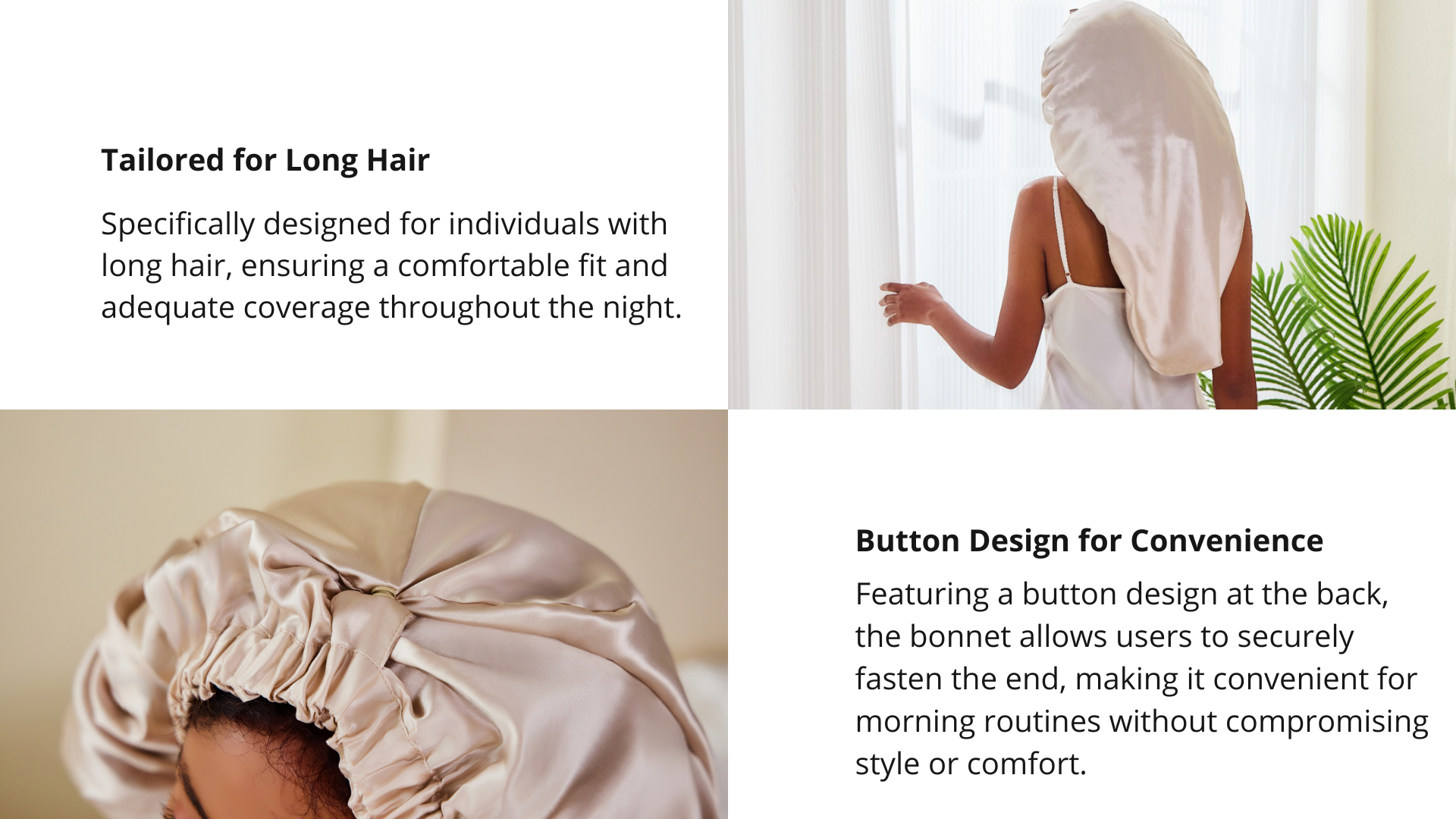
Silk Bonnet Benefits for Curly Hair: Prevent Frizz Overnight
Are you one of those people whose hair tends to look as though it's been electrocuted each morning? People dealing with frizzy hair will acknowledge the problems it causes. While it may be easy to ...
Leer más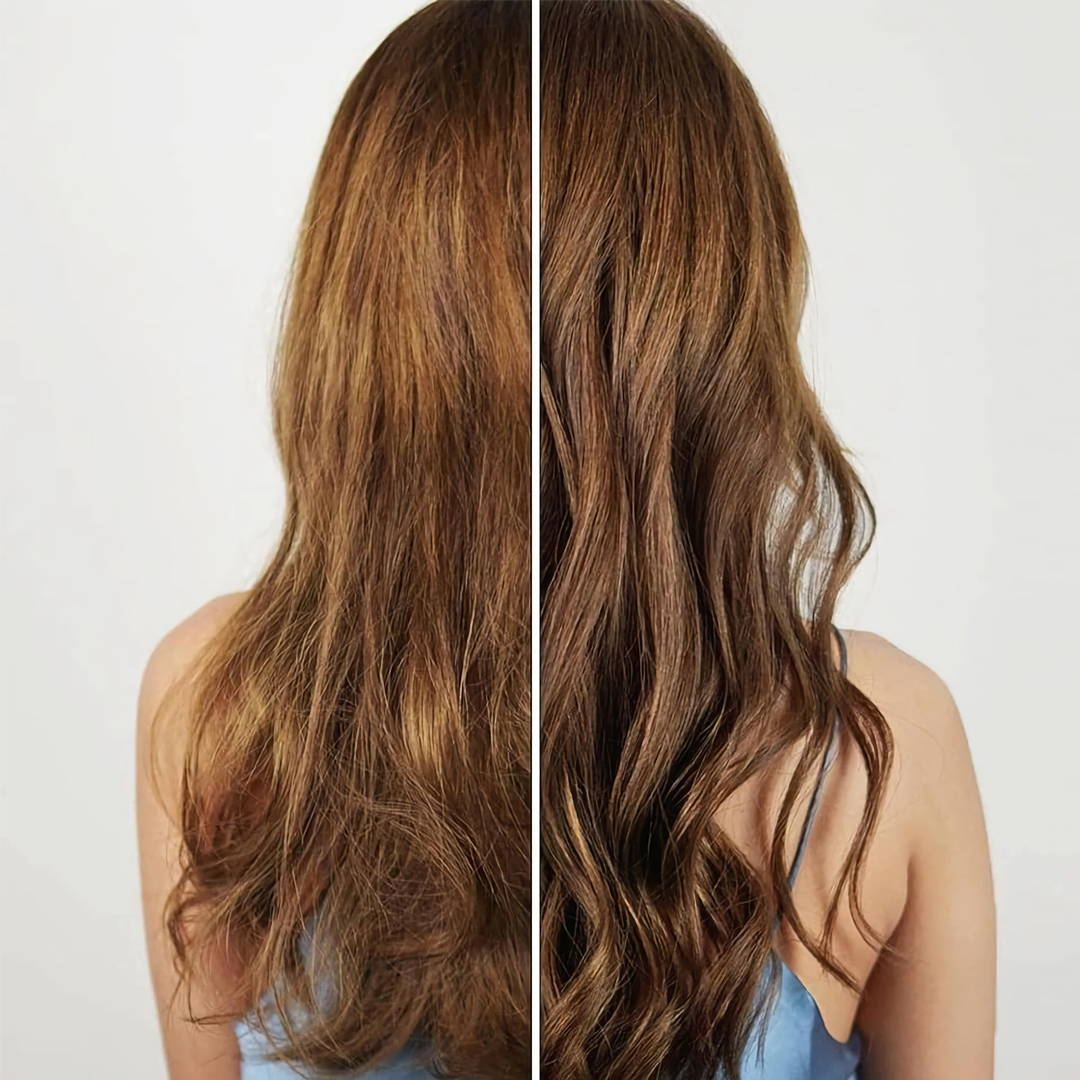
Silk Products for Spa-Level Self-Care on the Go
You land after a red-eye, skin parched, hair a mess, eyes puffy—and you have a client meeting in three hours. Compare the 23mm 6A+ Mulberry Silk Pillowcase With Zipper with Mulberry Silk Sleepwear-...
Leer más
Dejar un comentario
Este sitio está protegido por hCaptcha y se aplican la Política de privacidad de hCaptcha y los Términos del servicio.