
Spring Sale! Upto 50% Off!
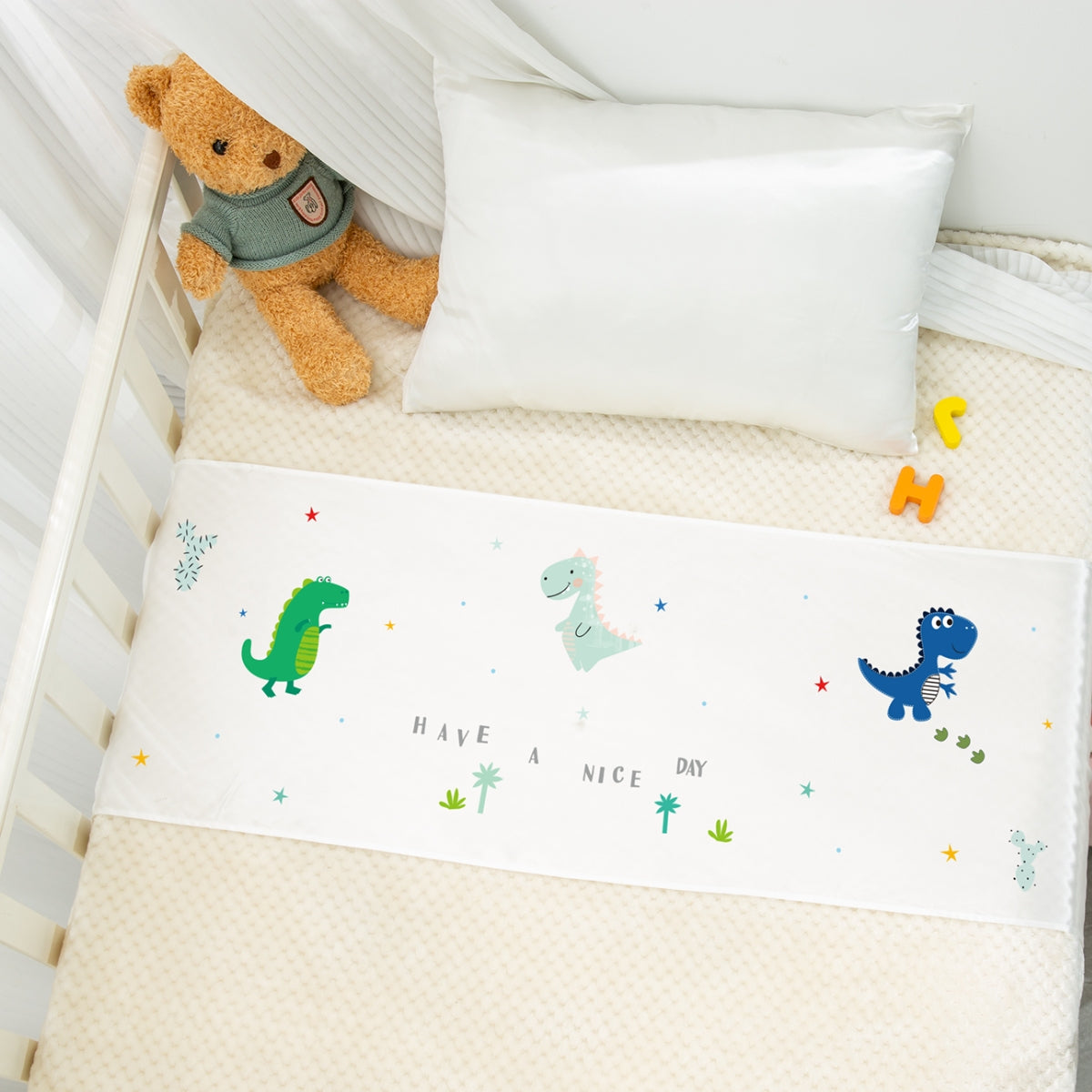
Your baby's skin is 30% thinner than yours—discover how the natural proteins in mulberry silk crib sheets can help protect their delicate barrier while they sleep.
Last updated: · By: AMPromeed
Related reading
- silk crib sleeve — Helpful product details for comparing fabric, fit, and everyday use.
- Mulberry Silk Pillowcase with Zipper — It’s Time to Add Zipper Silk Pillowcases to Your Sleep Routine The slick texture of silk is better for your skin , espec
- Mulberry Silk Protein: Why It's Gentle on Sensitive Skin — Discover how the natural protein structure of mulberry silk—fibroin and sericin—makes it the ideal fabric for sensitive
If you are comparing Mulberry Silk Crib Sheets, including the 23mm silk crib sheet: How Natural Protein Fibers Support Baby's Skin, these Promeed resources can help with product details and next steps: silk crib sleeve; Mulberry Silk Pillowcase with Zipper; Mulberry Silk Protein: Why It's Gentle on Sensitive Skin.
Mulberry Silk Crib Sheets, including the Shop the 23mm Silk Crib Sheet: How Natural Protein Fibers Support Baby's Skin is best for shoppers comparing comfort, care needs, and everyday use before choosing the right Promeed product.
Start with the benefit that matters most, then use the linked product and collection resources above to confirm materials, fit, and care details.
Mulberry silk is valued for its long, smooth protein fibers, which create a soft surface that reduces rough friction against sensitive skin during sleep.
Look at fabric smoothness, momme weight, breathability, and care routine together so the material feels gentle night after night without becoming difficult to maintain.

Have you ever touched your baby's cheek and marveled at how incredibly soft it feels? That amazing softness isn't just adorable—it's actually a sign of how delicate your little one's skin really is. Baby's skin is thinner and more sensitive than yours, which means it needs extra special care, especially when it comes to the things that touch it every single day.
Think about it: your baby spends 12 to 16 hours sleeping in their crib every day. That's a lot of time for their delicate skin and hair to be rubbing against their crib sheet! This is exactly why choosing the right bedding through Baby Care matters so much for your baby's health and wellness.
Enter mulberry silk—nature's gentlest fiber. While you might think silk is just a fancy luxury fabric for fancy people, it's actually been used for thousands of years to protect sensitive skin. Today, more and more parents are switching to silk crib sheets after discovering how this natural fiber can help their baby's skin stay healthy, comfortable, and irritation-free.
Throughout this guide, you'll learn the real science behind why silk is so special for baby skin. We'll explore how natural protein fibers work to protect your baby's delicate skin barrier, compare silk to other popular fabrics like cotton, and show you exactly what to look for when shopping for the best crib sheets. By the end, you'll understand why so many families consider silk the ultimate choice for their baby's crib.
Let's start with the basics: what exactly is the skin barrier, and why should you care about it?
Your skin has an important protective layer on the outside called the skin barrier. Think of it like a shield that keeps the good stuff in (like moisture and natural oils) while keeping the bad stuff out (like germs, allergens, and irritants). When this barrier is working well, your skin stays hydrated, smooth, and healthy.
Now here's the thing about babies: their skin barrier isn't fully developed yet. A baby's skin is actually 30% thinner than adult skin! This means it loses moisture much faster and gets irritated much easier. It's kind of like comparing a thick winter coat to a light sweater—one obviously protects you better than the other.
Because your baby's skin is so delicate, it faces several challenges:
Moisture loss happens quickly. Baby skin can't hold onto water as well as adult skin can. This is why babies are more prone to dry skin, especially in their first year of life.
Irritation strikes easily. Everything from rough fabrics to harsh detergents can cause redness, itching, or rashes on your baby's delicate skin. Even things that don't bother your skin at all might bother your baby's.
Skin conditions pop up more often. Many babies deal with eczema, contact dermatitis, or other skin issues during infancy. In fact, studies show that up to 20% of babies experience some form of eczema in their first year.
The fabrics your baby sleeps on play a huge role in supporting or harming this fragile skin barrier. When your little one moves around during sleep (and babies move a lot!), their skin rubs against the fitted crib sheet over and over. If that fabric is rough, absorbent, or contains irritating chemicals, it can pull moisture away from the skin, create friction, and trigger skin irritation.
On the flip side, when you choose the right textile for your baby's crib, you can actually help protect and strengthen their skin barrier while they sleep. That's where the magic of mulberry silk comes in.
You've probably seen "silk" or "satin" products in stores before, but not all silk is created equal. Let's clear up some confusion and talk about what makes mulberry silk so special.
Mulberry silk comes from silkworms that eat only mulberry leaves. These particular silkworms produce the finest, most uniform silk threads in the world. When you see products labeled as pure mulberry silk or made from 100% mulberry silk, you're getting the highest quality natural fiber available.
This is completely different from:
Only pure silk delivers the full range of benefits for sensitive skin. Companies like Promeed specialize in creating products from this premium material, ensuring you get authentic silk that's gentle enough for even the most sensitive skin.
Here's where things get really interesting. Mulberry silk isn't just soft—it's actually made of natural proteinsSilk fiber contains two main proteins, which help keep your baby's skin hydrated.
Silk fiber contains two main proteins:
Fibroin makes up about 75% of silk and gives it strength and smoothness. This protein has a super smooth surface that feels amazing against delicate skin and hair.
Sericin is the gummy protein that holds silk fibers together during production. High-quality silk crib sheets have most of the sericin removed, leaving behind pure, hypoallergenic fibroin that won't trigger allergic reactions.
Because silk is a protein-based fabric, it contains 18 different amino acids—the same building blocks that make up human skin! These amino acids include glycine, alanine, and serine, which help skin retain moisture naturally. When your baby's skin touches silk, it's almost like the fabric "speaks the same language" as their baby's delicate skin and hair.
When shopping for silk products for your baby, look for certifications that prove the fabric is safe and pure. Many premium silk manufacturers carry OEKO-TEX certification, which means the fabric has been tested and proven free from harmful chemicals and substances. This matters enormously when you're dealing with your baby's delicate skin.
The smooth texture of silk comes from its unique structure. Unlike cotton (which has a rough, scaly surface under a microscope) or polyester (which has sharp, uneven edges), silk fiber has a naturally smooth, round surface. This smoothness is exactly what makes silk so gentle for baby's delicate hair and skin—there's simply less friction with every movement.
One of silk's most impressive features? Silk is naturally hypoallergenic. This means it's unlikely to cause allergic reactions, even for babies with super sensitive skin or existing skin conditions.
Silk is naturally resistant to common allergens that hide in bedding, including:
Cotton sheets, by contrast, can become a breeding ground for these microscopic troublemakers, especially in humid environments, where much oil on the skin can exacerbate the issue. When you're trying to protect your baby's health, this natural resistance makes a real difference.
The pure silk used in quality crib sheets doesn't need chemical treatments to achieve these protective properties—it's just how the natural fiber works. This means fewer chemicals touching your baby's skin, which is especially important since babies often put their faces directly on their fitted sheet while sleeping.
Now let's dive into the fascinating science that explains why sleeping on a silk crib sheet can actually help your baby's skin stay healthier. Don't worry—we'll keep it simple and practical!
Remember those 18 amino acids we mentioned earlier? They're not just there for show. These natural compounds actually help your baby's skin retain moisture throughout the night.
Here's how it works: When your baby lies on a silk fitted crib sheet, those amino acids interact gently with their skin. Glycine and alanine (two of the main amino acids in silk) have special properties that support the skin's natural ability to hold onto water. Think of them like tiny moisture helpers that work while your baby sleeps.
This is completely different from what happens with cotton crib sheets. Cotton is super absorbent—which is great for bath towels but not so great for baby skin! Cotton actually pulls moisture away from the skin, which can leave your baby's skin feeling dry by morning. With silk, moisture stays where it belongs: in your baby's skin.
For babies dealing with dry skin or eczema, this moisture-retaining quality can be a game-changer. Parents often notice their baby's skin feels softer and more hydrated after switching to silk crib sheets, as silk sheets help maintain hydration.
Let's talk about friction. Every time your baby moves their head or rolls over (which happens dozens of times per night), their delicate skin and hair rub against the crib sheet. With rough or textured fabrics, this constant friction can cause:
Silk reduces friction dramatically. The incredibly smooth surface lets your baby's skin glide effortlessly across the sheet instead of catching or dragging. It's similar to the difference between sliding on ice versus sliding on concrete—one creates way less resistance!
This smooth texture of silk is particularly important for babies with sensitive skin or conditions like eczema, where even small amounts of friction can trigger flare-ups. Many dermatologists actually recommend silk pillowcases (and by extension, silk crib sheets) for patients dealing with chronic skin issues.
And here's a bonus: silk's smoothness protects your baby's delicate hair too! Unlike cotton, which can cause hair breakage and those adorable but sometimes concerning bald spots many babies develop, silk helps baby's hair stay smooth and intact. Some parents even notice less hair loss after making the switch to silk.
One of silk's most impressive superpowers is its ability to regulate temperature. Silk keeps your baby comfortable whether it's hot or cold outside.
During warm nights, silk wicks away moisture from your baby's skin. When babies get too warm, they sweat (just like adults do). Silk charmeuse and other silk fabrics pull that moisture away from the skin surface, helping your baby stay cool and dry. This is especially important because overheating has been linked to poor sleep quality and increased risk of SIDS (Sudden Infant Syndrome).
But here's the clever part: silk also provides insulation when it's cooler. The natural protein structure of silk fiber creates tiny air pockets that trap warmth without making your baby overheat. It's like having a smart thermostat built right into the fabric!
Cotton sheets, on the other hand, tend to trap heat and moisture, which can make your baby sweaty and uncomfortable. Synthetic fabrics like polyester are even worse—they don't breathe at all and can leave your baby feeling clammy.
This temperature-regulating quality means your baby sleeps more soundly through the night, which is good news for everyone in the house!
Related to temperature control is breathability—how well air can flow through the fabric. Silk is naturally breathable, allowing air to circulate around your baby's skin throughout the night.
Why does this matter? When skin can't breathe properly, it becomes a breeding ground for bacteria and irritation, particularly if there's much oil on the skin. Trapped moisture and warmth create the perfect environment for rashes and skin issues to develop.
Silk's breathable structure keeps air moving, which:
For babies with existing skin conditions, this breathability can help soothe sensitive skin and prevent flare-ups that might otherwise interrupt precious sleep time.
You've heard about silk's benefits, but how does it actually stack up against other popular crib sheet materials? Let's break down the real differences.
Cotton crib sheets are everywhere. They're affordable, familiar, and seem like the obvious choice. But when you look closely at how cotton interacts with baby skin, some issues emerge.
Absorption levels: Cotton is extremely absorbent. While this makes cotton great for towels and diapers, it's not ideal for crib bedding. Cotton sheets literally pull moisture away from your baby's skin throughout the night. For a baby who already struggles to keep skin hydrated, this can worsen dry skin and eczema.
Silk, by contrast, doesn't absorb much moisture at all. Instead, silk wicks away excess perspiration without stealing the natural oils and moisture your baby's skin needs. This helps keep skin hydrated and comfortable.
Friction differences: Under a microscope, cotton fibers look rough and scaly—kind of like miniature pinecones. This rough texture creates friction against delicate skin. Ever notice how cotton sheets can feel a bit "grabby" when you move around? Your baby feels that too, times a hundred, because their skin is so much more sensitive.
Pure silk crib sheets have that famously smooth, slippery feel that lets your baby move freely without any tugging or catching. This matters tremendously for preventing skin irritation and protecting your baby's delicate hair from breakage.
Breathability: Good quality cotton sheets do breathe reasonably well, especially when they're new. However, cotton's absorbent nature means it holds onto moisture, which can reduce breathability over time and create a damp sleeping environment.
Silk maintains excellent breathability while actively moving moisture away from the skin surface—the best of both worlds.
Many "budget-friendly" crib sheets are made from polyester or polyester-cotton blends. These synthetic options might seem practical, but they come with significant downsides for baby's skin.
No breathability: silk may not provide adequate airflow for some fabrics. Polyester is basically plastic. It doesn't breathe, doesn't absorb moisture, and traps heat against your baby's skin. This creates a hot, sweaty environment that can lead to heat rash, discomfort, and poor sleep.
Chemical concerns: Synthetic fabrics often contain chemicals from the manufacturing process. These can irritate sensitive skin and potentially cause allergic reactions.
Rough texture: Polyester doesn't have the smooth surface of natural fibers. It can feel scratchy and create friction, especially as it ages and develops pilling (those little fabric balls that show up after washing).
Static electricity: Ever shocked yourself on synthetic sheets? That static can be uncomfortable for babies too, and it attracts dust and allergens to the fabric.
When you consider silk, you're looking at a natural fiber that breathes beautifully, contains no synthetic chemicals, feels incredibly smooth, and naturally repels allergens. The difference is honestly night and day.
Multiple textile studies have confirmed what parents notice in real life: silk simply performs better for sensitive skin. Research published in dermatology journals shows that silk bedding can help reduce skin irritation in people with eczema and other skin conditions.
One study comparing different fabrics found that participants sleeping on silk experienced less transepidermal water loss (that's scientific speak for "skin drying out") compared to those sleeping on cotton or synthetic materials. For babies, whose skin already loses moisture 30% faster than adult skin, this difference really matters.
Another fascinating finding: silk's smooth surface and protein structure actually create less habitat for dust mites compared to cotton or synthetic fabrics. Since dust mite allergies affect millions of children and can trigger eczema flare-ups, this natural resistance is a huge advantage for baby crib bedding.
Here's what parents typically notice after switching to silk crib sheets:
Better skin condition: Babies with eczema, dry patches, or sensitive skin often show visible improvement within days or weeks. Red, irritated areas calm down, and skin looks and feels more hydrated.
Less morning fussiness: When babies sleep more comfortably (not too hot, not irritated), they wake up happier. Many parents report their baby seems more rested after nights on silk.
Healthier hair: Baby's delicate hair experiences less breakage and tangling. Those bald spots from friction? They often improve noticeably.
Easier mornings: Because silk keeps baby's skin and hair smooth overnight, there's less bed head and easier grooming in the morning.
The investment in a pure mulberry silk fitted crib sheet often pays for itself through these tangible improvements in your baby's comfort and your peace of mind.
Beyond the skin benefits, silk offers some impressive health and hygiene advantages that make life easier for busy parents. Let's explore why silk can help create a cleaner, healthier sleep environment for your little one.
Here's something that might surprise you: silk is naturally resistant to some of the most common bedroom allergens. Unlike cotton or synthetic fabrics, silk doesn't provide a welcoming home for:
Dust mites: These microscopic bugs love to live in bedding, feeding on dead skin cells. They're one of the most common triggers for allergies and eczema in children. Silk's tight protein structure and smooth surface make it much harder for dust mites to thrive compared to cotton sheets.
Mold and mildew: Because silk wicks moisture away instead of absorbing it, mold and mildew have a tougher time growing on silk fabric. This is especially important in humid climates or if your baby tends to drool or spit up during sleep.
Bacteria: The natural proteins in silk create an environment where bacteria struggle to multiply. This means your silk crib sheet stays fresher between washes.
This natural resistance means you're not relying on chemical treatments to keep your baby's crib clean and safe. Silk protects your baby's delicate skin and hair from irritation. your baby using nothing but its natural properties—no sprays, no harsh chemicals, just pure protection.
Here's a benefit many parents don't think about until they experience it: because silk naturally resists allergens and stays fresher longer, you can often use gentler detergents and skip the harsh chemicals altogether.
Many conventional laundry detergents contain fragrances, dyes, and chemical cleaners that can irritate baby's skin. With cotton sheets that absorb everything (including sweat, drool, and bacteria), you might feel tempted to use strong detergents to get them truly clean.
Silk is different. Products made for silk, like silk hair scrunchies, can be beneficial for maintaining your baby's hair health. Heritage Park Silk and Wool Detergent Silk like heritage park silk are specially formulated to be ultra-gentle while still effectively cleaning the fabric. These silk-safe detergents work perfectly for baby bedding because they:
When you wash Promeed crib sheets or other quality silk baby products with gentle detergents, you're eliminating yet another potential source of skin irritation. It's a win-win: cleaner sheets and happier skin.
Let's be honest—baby products can get expensive, and some items feel like you're throwing money away. But high-quality mulberry silk crib sheets are different. When you care for them properly (and it's easier than you think!), they can last for years.
Grade 6A+ mulberry silk—the highest quality available—maintains its smooth texture and skin-protecting properties wash after wash. While cheap cotton sheets might become rough and faded after a few months, premium silk actually gets softer over time while maintaining its strength.
Think about the math: a quality silk fitted crib sheet might cost more upfront than a cotton sheet, but it outlasts multiple cotton replacements. Plus, when you factor in the potential savings on creams, ointments, and doctor visits for skin issues, the investment makes even more sense.
Many families keep their Promeed products through multiple children, and even pass them down to friends or younger siblings. That's the kind of durability and quality that makes silk bedding a genuinely smart purchase.
Okay, so maybe you're thinking: "This all sounds great, but isn't silk super high-maintenance?" Great news—caring for silk is actually much simpler than most people expect! Let's break down exactly how to keep your silk crib sheet looking and feeling perfect.
Crib sheets should be washed regularly, just like any baby bedding. Here's the gentle process that keeps silk in pristine condition:
Frequency: Wash your silk fitted sheet every 1-2 weeks under normal circumstances, or immediately if there's a spill or accident. Because silk naturally resists bacteria and odors, it stays fresher between washes compared to cotton.
Temperature: Always use cold or lukewarm water (never hot). Hot water can damage silk's protein fibers and cause shrinkage.
Detergent choice: Use a silk-specific detergent like Heritage Park silk detergent, or any gentle, pH-neutral detergent without enzymes or bleach. Avoid regular detergents that are too harsh for delicate protein fibers.
Washing method: Hand washing is ideal, but most silk crib sheets can be machine washed on a delicate cycle. Place the sheet in a mesh laundry bag for extra protection. Turn the sheet inside out before washing to protect the exterior surface.
What to avoid: Never use bleach, fabric softener, or harsh stain removers directly on silk. These chemicals can break down the natural proteins and damage the fabric permanently.
Drying silk properly is key to maintaining its longevity and skin-loving properties:
Air drying wins: The best way to dry your silk baby bedding is to hang it up or lay it flat in a well-ventilated area, away from direct sunlight. Silk dries relatively quickly due to its moisture-wicking properties.
Dryer option: If you must use a dryer, choose the lowest heat setting or air-dry cycle. Remove the sheet while it's still slightly damp to prevent over-drying.
Ironing tips: Most silk crib sheets don't wrinkle much, but if you want to iron them, use the lowest setting (silk setting if your iron has one) and iron on the reverse side while the fabric is still slightly damp, as silk may be sensitive to heat.
Storage: Store clean silk sheets in a cool, dry place. Avoid plastic bags, which can trap moisture—breathable cotton storage bags work best.
Let's tackle some common misconceptions about silk care:
Myth: "Silk is too delicate for everyday use with babies," but silk crib sheets are also designed for comfort and safety.
Truth: High-quality momme silk (23-30 momme weight) is surprisingly durable. It's specifically designed to withstand regular use and washing. Promeed has taken great care to create crib sheets that balance luxurious softness with practical durability.
Myth: "Silk will get ruined if my baby drools or has accidents."
Truth: While silk should be spot-cleaned promptly when accidents happen, it's more resilient than you think. The key is addressing stains quickly with cold water and gentle soap.
Myth: "I'll spend all my time caring for silk sheets."
Truth: Once you get into a routine, caring for silk takes no more time than caring for any other quality bedding. The process is simple and straightforward.
The bottom line? Silk feels luxurious, but it doesn't require luxury-level maintenance. It just needs gentle, thoughtful care—which is exactly what you'd want for anything touching your baby's skin anyway.
Ready to make the switch? Smart choice! But with so many options out there, how do you pick the best crib sheets for your little one? Here's your practical shopping guide.
100% Pure Mulberry Silk (No Blends):
This is non-negotiable. Crib sheets are made from various materials, but only sheets made from 100% pure mulberry silk deliver the full range of skin benefits we've discussed. Silk blends might cost less, but they won't give you the hypoallergenic properties, smoothness, or moisture-wicking ability you're looking for.
When shopping, verify that the product clearly states "100% mulberry silk" or "pure silk." If it just says "silk-like" or "silky," it's probably synthetic satin—basically polyester pretending to be silk.
Momme Weight Matters:
Momme (pronounced "mummy") is how silk thickness is measured. For baby crib sheets, you want something in the 19-30 momme range. Here's why:
Most premium brands like Promeed crib sheets Always use grade 6A +mulberry silk, which is ideal for baby bedding.
Safety Certifications:
Look for important certifications that prove the silk is safe for your baby:
These certifications mean the silk fabric used in your crib sheet has been independently tested and meets strict safety standards.
Proper Fit is Critical:
Standard crib mattresses measure 28 inches by 52 inches, and crib sheets measure 28 x 52 inches to fit them properly. Your fitted crib sheet should have:
A properly fitting fitted crib sheet is essential for safety. Loose bedding poses suffocation risks, so always choose sheets specifically designed for standard crib mattress sizes.
Not all silk is created equal, even when it's labeled "mulberry silk." Here are signs you're getting a quality product:
The feel test: Genuine mulberry silk has a distinctive smooth, cool feeling when you touch it. It should glide across your skin almost like water. If it feels rough or static-y, it's probably not real silk.
The price reality: Quality pure mulberry silk isn't cheap. If you see a "silk" crib sheet for $20, it's almost certainly synthetic. Authentic silk crib sheets typically range from $80-200, depending on the brand and momme weight. Yes, it's an investment—but remember the durability and health benefits.
Brand reputation: Stick with established companies that specialize in silk products. Promeed, for example, has built their reputation on providing authentic, high-quality silk bedding. These specialized companies stake their business on quality and customer satisfaction.
Color consistency: High-quality mulberry silk has even, consistent color throughout. Cheap silk or silk blends often show uneven dyeing or color variations.
When choosing any crib bedding, safety must come first. Here's what you need to know about using silk crib sheets safely:
Silk baby bedding is safe when used correctly. In fact, because silk is breathable and temperature-regulating, many parents find it supports safer, more comfortable sleep for their babies.
When you're ready to consider silk for your baby's crib, ask yourself:
If you answered "yes" to any of these questions, a pure silk crib sheet is likely worth the investment. Many families who make the switch say they wish they'd done it sooner.
We've covered a lot of ground together! Let's bring it all home with what really matters: your baby's comfort and health.
Mulberry silk isn't just a luxury fabric—it's a scientifically-backed choice that actively supports your baby's delicate skin barrier. From the amino acids that help skin retain moisture, to the smooth surface that eliminates friction and irritation, to the natural resistance against allergens, silk works with your baby's skin rather than against it.
Think about everything your baby's skin faces during those critical first years of development. Their skin barrier is still forming, learning to protect itself from the outside world. The textiles you choose—especially the ones they spend 12-16 hours a day sleeping on—play a real role in supporting that development.
When you choose silk crib sheets, you're choosing:
✨ Natural protein fibers that speak the same language as your baby's skin
✨ A smooth, friction-free surface that protects delicate skin and hair
✨ Temperature regulation that keeps your baby comfortable all night long
✨ Hypoallergenic properties that create a cleaner, healthier sleep environment
✨ Durability that makes it a smart long-term investment
✨ Peace of mind knowing you've chosen the gentlest option available
Even the most sensitive skin can thrive when given the right support. Whether your baby is dealing with eczema, dry patches, or you simply want to provide the best possible care for their delicate skin, silk offers a natural solution backed by centuries of use and modern scientific understanding.
Ready to experience the difference that silk can help make in your baby's sleep quality and skin health? Switching to silk crib sheets is one of the most impactful changes you can make to your baby's sleep environment.
Start by choosing one high-quality A fitted crib sheet made from grade +A mulberry silk can provide the ultimate comfort for your baby. from grade 6A+ mulberry silk—the gold standard in silk quality. Many parents begin with a single sheet to try it out, then quickly order more once they see the results firsthand.
Remember, you're not just buying bedding. You're investing in better sleep, healthier skin, and those precious moments of watching your baby wake up comfortable, content, and rash-free. You're choosing a natural fiber that has protected sensitive skin for thousands of years, now refined and perfected for modern families.
Your baby's skin deserves the gentlest care possible. Silk protects naturally, effectively, and beautifully. Give your little one the gift of truly restful, skin-healthy sleep—they'll thank you with sweet dreams and happy mornings.
Sweet dreams start with the right sheets. Make yours silk.
Promeed readers are usually comparing comfort, material quality, care effort, and long-term value before choosing silk bedding. Use this guide as a practical decision path: match the fabric to your sleep priorities, then check whether the care routine fits your household.
For shoppers leaning toward mulberry silk, focus on smooth hand feel, momme weight, gentle washing, and daily friction against hair and skin. Those details keep the article grounded in Promeed’s silk bedding expertise without turning the comparison into a generic fabric overview.
When the fit feels clear, use the next step below to review the most relevant Promeed option.
See the recommended 23mm 6A+ 100% Mulberry Silk Fitted Bed Sheet Crib | Toddler-Christmas Gift
Mulberry Silk Protein: Why It's Gentle on Sensitive Skin
Discover how the natural protein structure of mulberry silk—fibroin and sericin—makes it the ideal fabric for sensitive skin, reducing irritation and maintaining moisture. Last updated: April 27, 2...
Leer más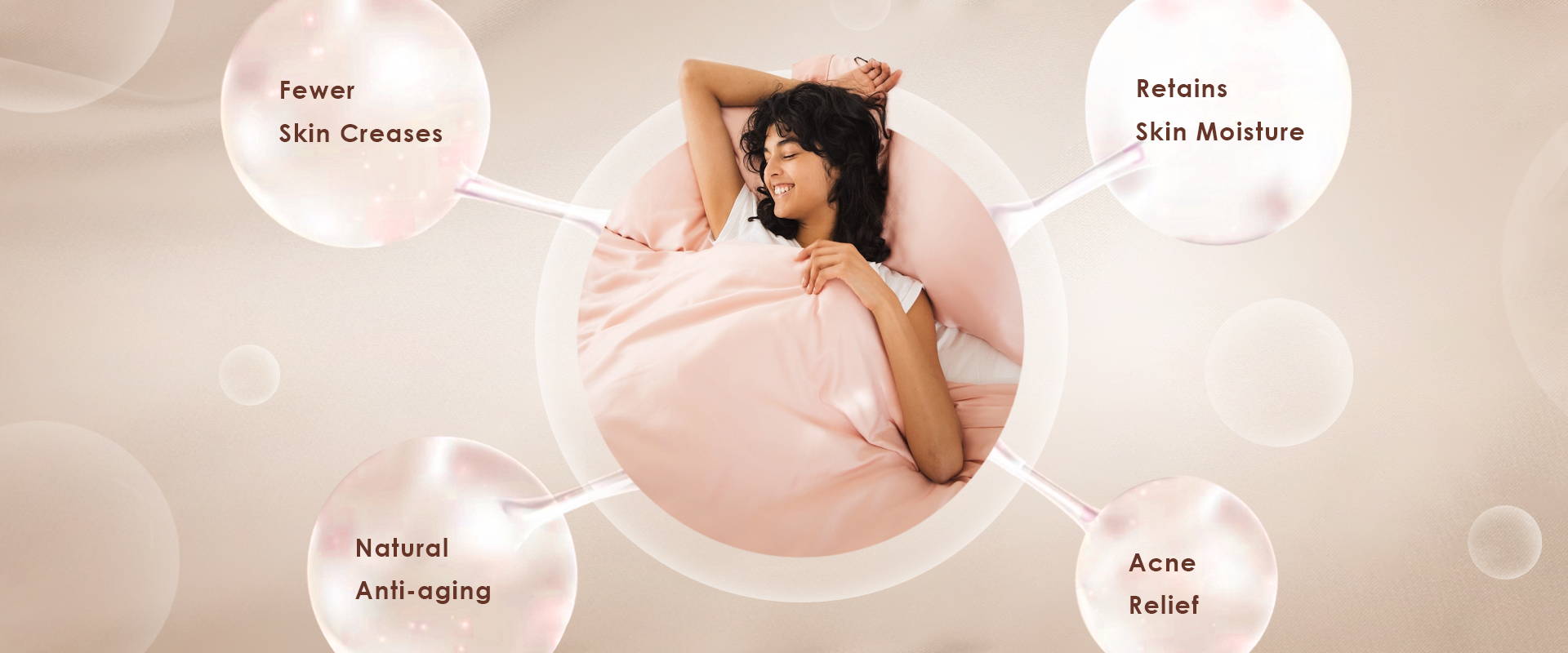
Sleep Beauty Routine 2026: Silk Pillowcases & Overnight Hydration
Discover how the synergy between mulberry with Hydrating Mulberry Silk Pillowcase silk and overnight hydration can transform your skin and hair while you sleep—no expensive treatments needed. Last ...
Leer más
Dejar un comentario
Este sitio está protegido por hCaptcha y se aplican la Política de privacidad de hCaptcha y los Términos del servicio.