
Spring Sale! Upto 50% Off!
That glossy “silk” pillowcase may actually be polyester satin—and the wrong detergent will ruin the fibers overnight. Discover the burn test that confirms real mulberry silk...
Last updated: · By: Adline Keth
Look at fabric smoothness, momme weight, breathability, and care routine together so the material feels gentle night after night without becoming difficult to maintain.

Quick answer: Confirm your pillowcase is genuine mulberry silk with a burn test (it smells like burnt hair and leaves a crushable ash) and a label that states “100% mulberry silk” and a 23‑momme weight. Once verified, wash it gently at home with a pH‑neutral, silk‑safe detergent—no dry cleaning necessary.
Last month, our editor Adline Keth landed in Singapore for a week of client meetings. She unpacked her Promeed 23‑momme silk pillowcase, gave it a quick sink wash with half a detergent sheet, and by morning it was dry, smooth, and ready to use—no frantic search for a dry cleaner. That kind of confidence comes from knowing your silk is authentic and understanding the care it truly needs. In this guide, we’ll walk you through the burn test, label clues, and the exact washing method that keeps your silk pillowcase as luminous as day one.
Here’s what we’ll cover:
Many online listings that promise “100% silk” actually ship polyester satin—a fabric that behaves completely differently when washed. Real silk fibers are protein‑based and can withstand gentle laundering; synthetic satin can melt or warp under heat. Before you fill your sink, take two minutes to confirm what you own.
Snip a tiny thread from an inside seam (one you won’t miss). Hold it to a flame: real mulberry silk produces a smell similar to burning hair and leaves a fine, black ash that crumbles easily between your fingers. Polyester satin melts into a hard, shiny bead and releases a sharp, chemical odor. Always perform this test over a non‑flammable surface with a candle or lighter, and keep water nearby.
An authentic silk pillowcase will clearly state “100% mulberry silk” on its sewn‑in label or packaging. Look for a momme weight—23‑momme is the ideal balance of strength and softness for everyday use. The label may also display an OEKO‑TEX® Standard 100 certification, which indicates the fabric has been tested for harmful substances and is safe for direct skin contact. If you see terms like “silk‑like,” “satin,” or a composition listing only polyester, it’s not real silk.
Real mulberry silk reflects light with a gentle, pearl‑like luster that shifts as you move the fabric. Synthetics, by contrast, have a uniform, glossy shine from every angle. When you touch silk, it feels instantly cool, then warms gradually against your skin. It’s lightweight and drapes fluidly. If the fabric feels slick like a windbreaker or gives off a static crackle, you’re handling polyester satin.

Once you’re certain your pillowcase is real mulberry silk, you can tap into its inherent resilience. Silk fiber is one of the strongest natural filaments—a single strand can support up to 8 grams before breaking, and the long, continuous fibers in 23‑momme quality resist abrasion and pilling far more than short‑staple cottons. This means your Promeed pillowcase, like our 23mm 6A+Zipper Mulberry Silk Pillowcase With Eye Mask, was engineered to handle gentle home washing while keeping its structure.
Our pillowcases are woven from 6A‑grade, 23‑momme mulberry silk—the same benchmark used by heritage luxury brands. When you choose from our 23mm 6A+ Mulberry Silk Pillowcases range, you get long‑strand filaments that don’t easily snap or form pills. For city‑dwellers, that translates into a pillowcase that survives the occasional shared‑laundry cycle or a quick hotel‑room sink soak. The crucial factor is using a detergent with a neutral pH—never a harsh, enzyme‑based formula meant for workout clothes.

Many assume dry cleaning is the safest route for silk, but the chemical solvents can gradually degrade the fiber’s protein structure over repeat cycles. You might notice the fabric loses its subtle luster, develops a yellowish cast (especially on lighter colors), or feels scratchier. For a pillowcase you press your face into nightly, preserving that smooth, cool touch is key—and dry cleaning can compromise it.
Consider the weekly ritual many dermatologists recommend: washing your pillowcase every 7 days to clear away oils, sweat, and skincare buildup. In a city like New York, that’s upwards of $15 per dry‑cleaning visit, quickly adding up to over $600 a year. Plus, some dry cleaners rely on perchloroethylene (PERC), a solvent with significant environmental concerns, and wrap garments in single‑use plastic. Switching to home care cuts both cost and packaging waste. For a fuller breakdown of silk cleaning science, see our article Do I Have to Dry Clean Silk Pillowcases & Duvets? | Promeed.
Follow this straightforward routine to keep your 23‑momme silk pillowcase fresh and bright. It works equally well in your apartment or a hotel bathroom.

If you prefer a machine cycle, place the pillowcase inside a fine‑mesh laundry bag. Choose the delicate or hand‑wash setting with cold water and add a small amount of detergent dissolved in the drum. This method saves time while still protecting the fabric. Our 23mm 6A+ 100% Mulberry Silk Pillowcase With Zipper With Laundry Bag comes with a purpose‑built mesh bag for exactly this task.

This routine takes about 10 minutes of hands‑on time. Weekly washing removes oils, sweat, and environmental buildup, helping your pillowcase stay smooth and skin‑friendly. For more on washing frequency, read our guide on How Often to Wash Silk Pillowcase vs Pajamas.
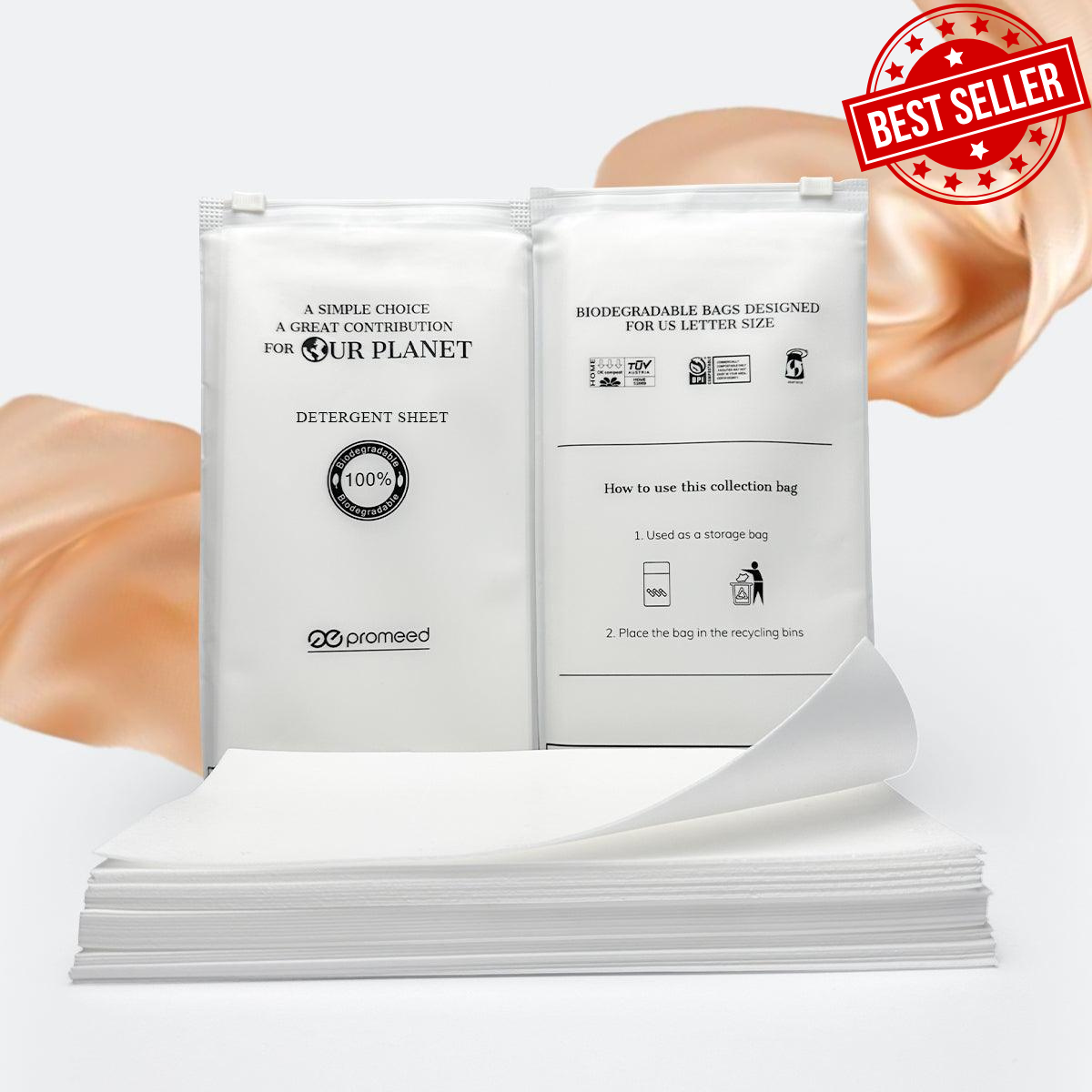
Traveling with liquid detergent is messy—TSA limits, leaky caps, and the constant guesswork of pouring the right amount. Our Silk Laundry Detergent Sheets solve all three. Each ultra‑concentrated, pH‑balanced sheet is pre‑measured for one delicate load, dissolving fully even in cold water. The compact, recyclable pack contains 20 sheets, enough for 60 washes when you use half a sheet per light load, and slips neatly into a drawer or carry‑on.

Unlike supermarket detergents that blast fabrics with enzymes and brighteners, these sheets preserve the natural protein structure of silk. They’re also phosphate‑free, dye‑free, and gentle on sensitive skin. Toss a couple in your bag before a trip and you can wash your silk pillowcase in any sink—our editor Adline Keth does exactly that, and her pillowcase still looks new after months of use. For more on why standard formulas are risky, check out our article on a safer alternative to regular detergent.
No—the enzymes, optical brighteners, and alkaline builders in standard detergents break down silk’s protein fibers, causing dullness, weakness, and color fading. A pH‑neutral, enzyme‑free detergent like Promeed’s Silk Laundry Detergent Sheets is essential.
We recommend washing once a week to remove accumulated oils, sweat, and cosmetics. If you use overnight creams or live in a humid climate, washing every 4‑5 days extends freshness and keeps acne‑causing bacteria at bay.
Real mulberry silk, especially at 23‑momme density, has minimal shrinkage (<2%) when washed in cool water and air‑dried. Shrinkage typically occurs when using hot water, a dryer, or harsh detergents that shock the fibers.
Yes, you can machine wash on a delicate cycle using cold water and a mesh laundry bag. Just avoid overcrowding the drum and never use fabric softener. Hand washing remains the gentlest method for long‑term preservation.
Ready to streamline your silk care? Grab our Silk Laundry Detergent Sheets and never worry about spills or harsh chemicals again. With a pre‑measured, pH‑balanced formula, your 23‑momme silk pillowcase stays soft, luminous, and clean—whether you’re at home or across the world.
When the fit feels clear, use the next step below to review the most relevant Promeed option.
See the recommended 23mm 6A+ 100% Mulberry Silk Pillowcase With Zipper With Laundry Bag
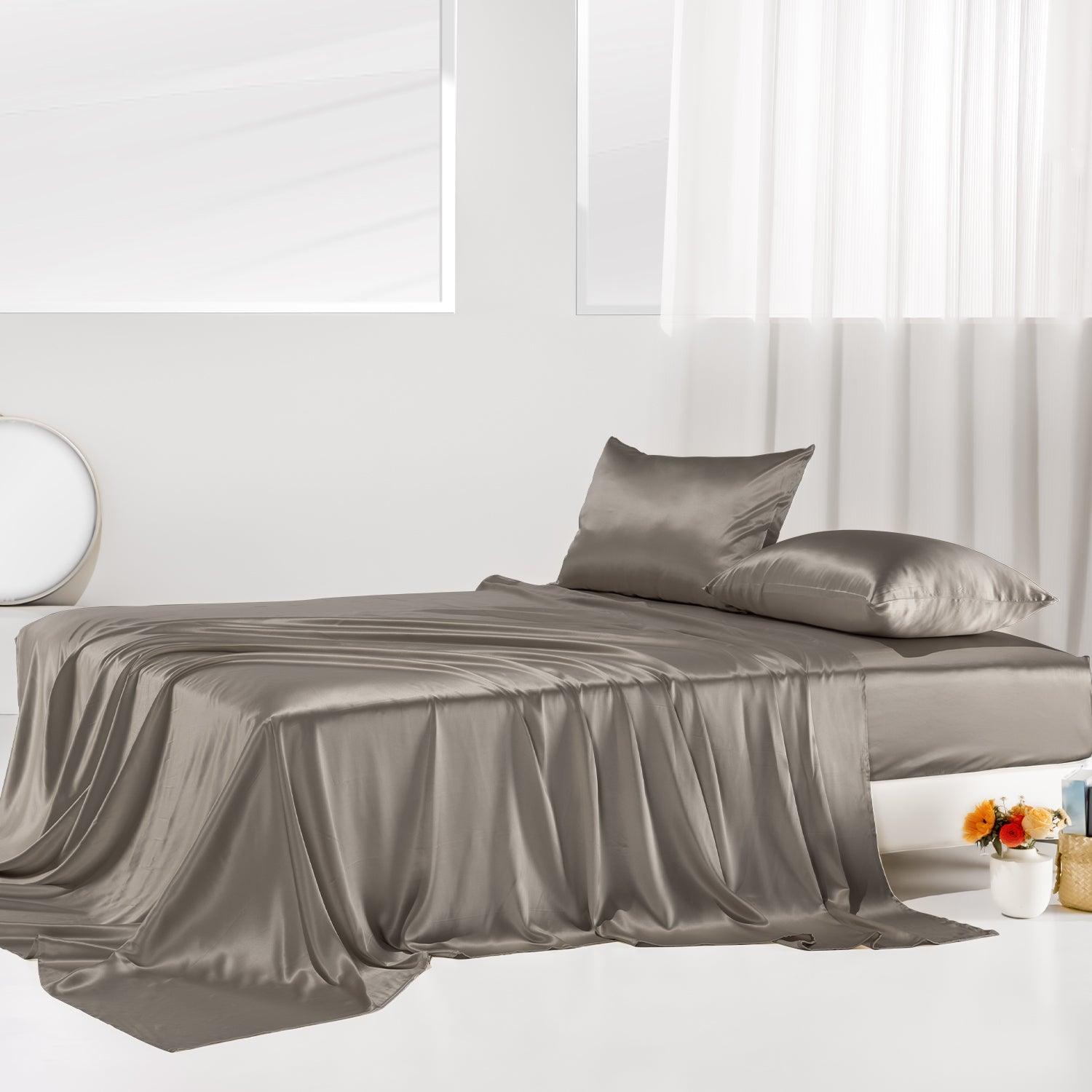
Pros and Cons of Sleeping on 100% Silk Sheets: Is It Worth It?
100% silk sheets promise smoother skin, healthier hair, and a luxurious night's sleep—but do they live up to the hype? We weigh the real pros and cons, from momme weight and care routines to cost-p...
Leer más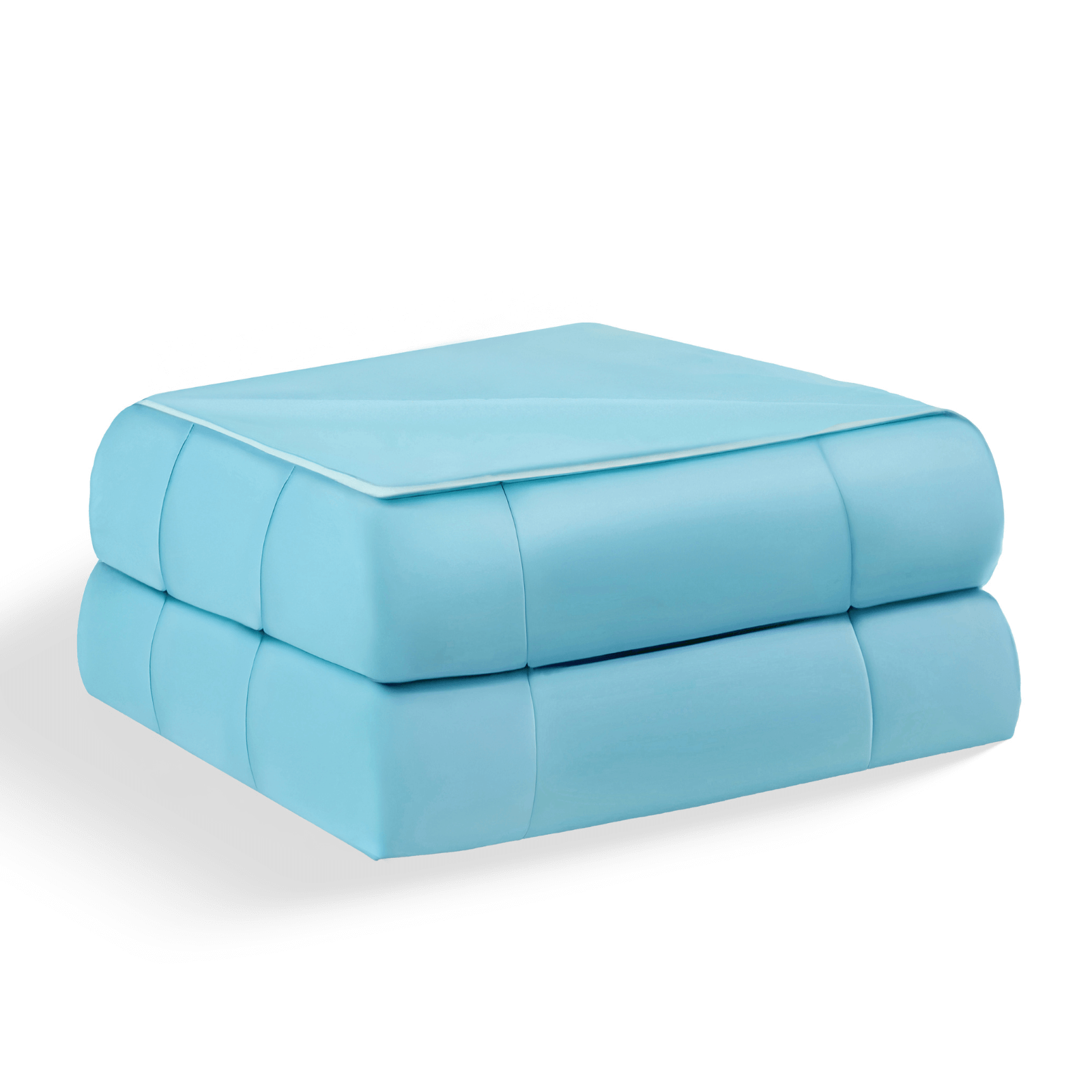
Best Cooling Comforter for Hot Sleepers 2026: CoolRest™
Stop waking up drenched. Promeed's CoolRest™ Double Cooling Comforter is our top pick for the best cooling comforter for hot sleepers in 2026—featuring Q-max ≥0.4 cool-touch fabric and moisture-wic...
Leer más
Dejar un comentario
Este sitio está protegido por hCaptcha y se aplican la Política de privacidad de hCaptcha y los Términos del servicio.