
Spring Sale! Upto 50% Off!
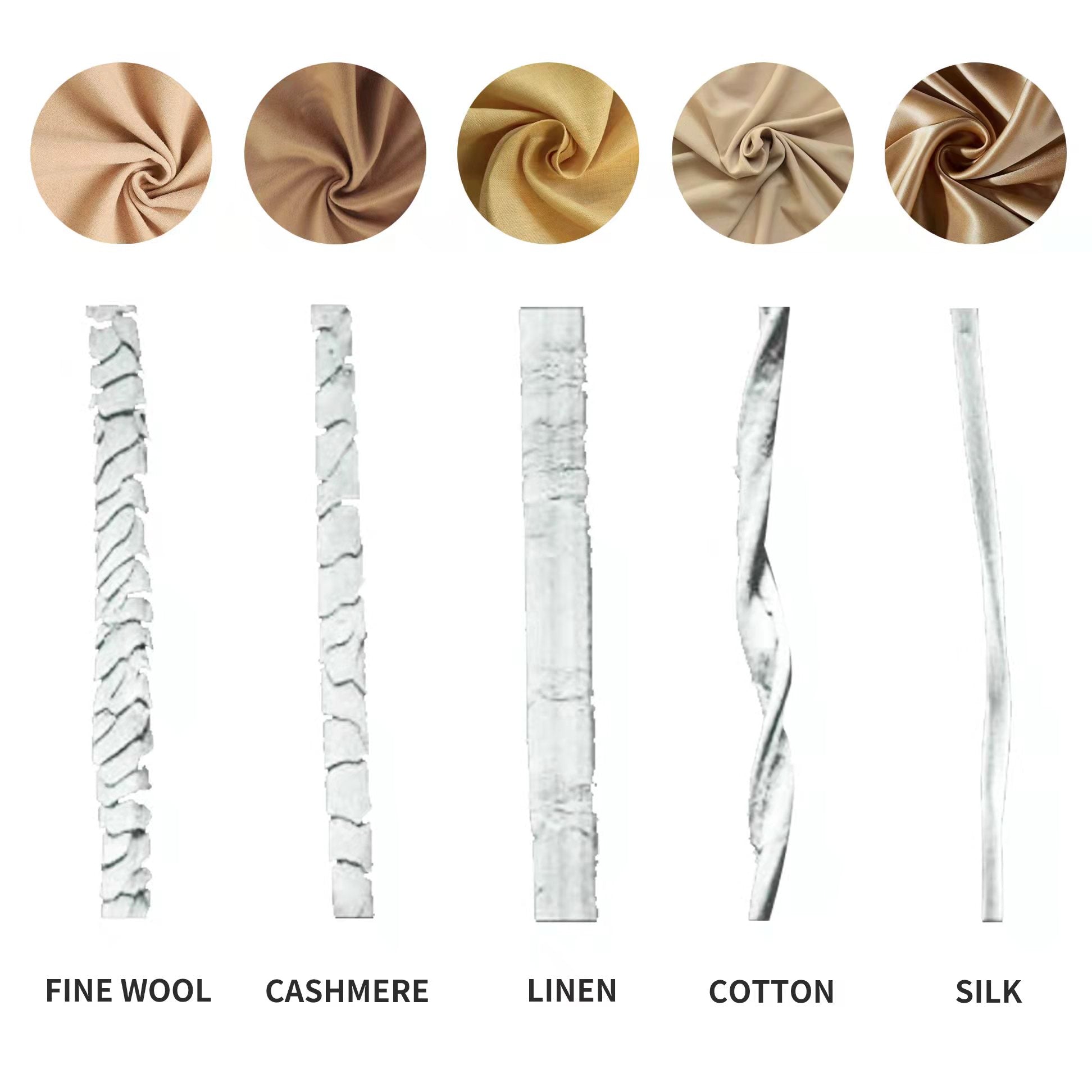
Linen can last 20 years, silk 10–15 with care, and cotton as few as 2. Here's how fiber length, weave, and daily habits determine which fabric is your best long-term investment.
Last updated: · By: Kelly Eleanor
Continue exploring Linen vs Silk vs Cotton Durability: Which Fabric Lasts Longest? with these related Promeed resources: 100% Mulberry Silk Head Turban Hair Wrap with Hyaluronic Ac…; 30mm Mulberry Silk Series; Mulberry Park Silks Vs Promeed Reviews: Which Is The Best S….
Use this section to connect the main question around Linen vs Silk vs Cotton Durability: Which Fabric Lasts Longest? with the practical criteria already covered in the article.
Compare materials, fit, care needs, and the linked product or collection resources before moving from research to purchase.

When you invest in quality bedding, you expect it to last. But with so many fabric options—linen, silk, cotton—it's easy to get confused. Each material has unique strengths and trade-offs. Linen can last decades, silk offers luxury with proper care, and cotton varies wildly by quality. This guide breaks down the durability of each fabric, helping you choose the best option for your sleep sanctuary.
After using a Promeed 23-momme silk pillowcase nightly for three years, I noticed only minimal signs of wear—a testament to its quality. The fabric retained its sheen and smoothness, with no pilling or thinning. This real-world experience underscores that durability isn't just about fiber type; it's about construction, care, and daily habits.

Linen is widely regarded as the most durable natural fabric for bedding. Its fibers are typically 5 to 6 inches long—three to four times longer than those found in standard cotton. This length gives linen exceptional strength and resilience. Linen can stretch and compress without losing its integrity, making it an heirloom-quality choice that can last 20 years or more with proper care.
However, linen has trade-offs. It wrinkles easily and can feel rough initially, though it softens beautifully with each wash. For those who prioritize longevity over initial softness, linen is the clear winner. To extend its life, wash in cold water and tumble dry on low—avoid bleach and high heat.
Cotton's durability is not uniform. Two factors determine its longevity: staple length and thread count. High-quality long-staple cotton (like Egyptian or Supima) produces stronger yarns, while short-staple cotton requires more splicing, resulting in weaker fabric. A 400-thread-count percale sheet set may last 5–7 years, while a low-quality 200-thread-count set might show wear after just 2 years.
For a deeper dive into sheet materials, see our Bedding Durability Guide: Professional Standards for Textile Quality. To care for cotton, wash in warm water and remove promptly to prevent wrinkles. Avoid over-drying, which can weaken fibers.

Silk is prized as the ultimate luxury, but its durability is different from linen or cotton. The fine yarns used in high-end bedding are surprisingly strong for their weight. A 23-momme mulberry silk sheet from Promeed can last 10–15 years with proper care. Silk's smooth surface reduces friction, preventing hair breakage and sleep wrinkles—benefits that last as long as the fabric itself.
Silk also offers unique durability in its hypoallergenic properties, making it a long-term solution for allergy sufferers. For more on silk's benefits, read our Silk Pillowcase Guide: Benefits, Care & How to Choose. To care for silk, hand wash or use a delicate cycle with a Mesh Laundry Bag and mild detergent; never wring or bleach. Air drying is best. For a durable silk option, consider our mulberry silk pillowcase.
| Fabric | Fiber Length | Lifespan | Feel | Best For |
|---|---|---|---|---|
| Linen | 5–6 inches | 20+ years | Crisp, softens over time | Hot sleepers, eco-conscious |
| Silk (23-momme) | Continuous filaments | 10–15 years | Smooth, luxurious | Skin & hair benefits, luxury |
| Cotton (High-Quality) | 1–2 inches (long-staple) | 5–7 years | Soft, breathable | Everyday use, budget-friendly |
| Cotton (Standard) | <1 inch | 2–3 years | Varies | Guest rooms, temporary use |
No matter which fabric you choose, proper care is essential for longevity. For linen, wash in cold water and tumble dry on low—avoid bleach. For cotton, use warm water and remove promptly to prevent wrinkles. For silk, hand wash or use a delicate cycle with a Mesh Laundry Bag and mild detergent; never wring or bleach. Air drying is best for all three fabrics.
Many linen owners report their sheets lasting 15–20 years with regular use, often becoming softer and more comfortable over time. Silk owners who follow care instructions (gentle wash, air dry) frequently enjoy their bedding for a decade or more. Cotton owners see the widest variance: high-quality Egyptian cotton sets often last 5–7 years, while budget sets may need replacement every 2–3 years. The key takeaway: invest in quality and care for your bedding to maximize its lifespan.
Beyond personal longevity, the environmental footprint of each fabric matters. Linen, made from flax, requires minimal water and pesticides, making it one of the most eco-friendly options. Its long lifespan further reduces waste. Silk production is more resource-intensive but uses fewer chemicals than conventional cotton. Mulberry silk, in particular, is biodegradable and produced in a closed-loop system by many ethical manufacturers. Cotton, especially conventional short-staple varieties, has a high water footprint and often involves heavy pesticide use. Choosing organic or long-staple cotton can mitigate some of these impacts. For a deeper comparison of eco-friendly bedding, see our article on Bamboo Sheets vs Silk Sheets: Which Are Better?.
The weave of a fabric significantly impacts its strength and longevity. Linen is typically woven in a plain or twill weave, both of which are sturdy and resistant to pilling. Silk bedding often uses a charmeuse or satin weave, which creates a smooth, lustrous surface but can be more prone to snagging if not handled carefully. Cotton sheets come in percale (crisp, matte) or sateen (silky, lustrous) weaves; percale is generally more durable due to its tighter, one-over-one-under construction. When shopping, look for fabrics with a balanced weave and minimal loose threads, as these are signs of quality construction that will withstand years of use.
Fiber length is a critical factor in fabric durability. Longer fibers can be twisted into stronger, smoother yarns with fewer ends protruding, which reduces pilling and fraying. Linen's fibers, at 5–6 inches, are among the longest natural plant fibers, contributing to its exceptional strength. Silk is unique because it is composed of continuous filaments that can be up to a mile long when unwound from a cocoon, giving it inherent strength without the need for twisting. Cotton's staple length varies: long-staple varieties (1.2–2 inches) produce premium, durable fabrics, while short-staple cotton (under 1 inch) results in weaker, more prone-to-pilling textiles. When evaluating bedding, check the fiber length specification—it's a reliable indicator of potential longevity.
Linen is generally more durable due to its longer fibers. High-quality cotton can last 5–7 years, while linen can last 20+ years.
With proper care, 23-momme mulberry silk bedding from Promeed can last 10–15 years. The key is to wash gently and avoid harsh chemicals.
Yes, a higher thread count (up to 600–800) generally means more yarns holding the fabric together, increasing durability. However, fiber length is equally important.
Linen is more breathable and moisture-wicking, making it ideal for hot sleepers. Silk also regulates temperature well but may feel warmer. For more, see our Best Sheet Materials for Hot Sleepers Guide.
While silk is strong for its weight, it cannot match linen's inherent fiber strength. However, with meticulous care, high-momme silk can last 10–15 years, which is impressive for a luxury fabric. Linen remains the champion for sheer longevity.
If you want the longest-lasting fabric, linen is your best bet. If you prefer luxury and skin-friendly benefits with proper care, silk offers impressive longevity. For everyday versatility, high-quality cotton is a solid choice. Whichever you choose, invest in quality and follow care instructions to maximize your bedding's lifespan. For those leaning toward silk, explore our 23mm 6A+ Mulberry Silk Pillowcases collection for durable luxury.
Shop 23mm Mulberry Silk Pillowcases
If these criteria match what you need, use the next step below to compare materials, care details, and available options.
Premium Bedding Market Positioning: From Commodity to Luxury
In the high-stakes environment of luxury hospitality procurement, technical literacy is the only defense against the "commodity trap." To differentiate true luxury from mass-market deceptive brandi...
Leer más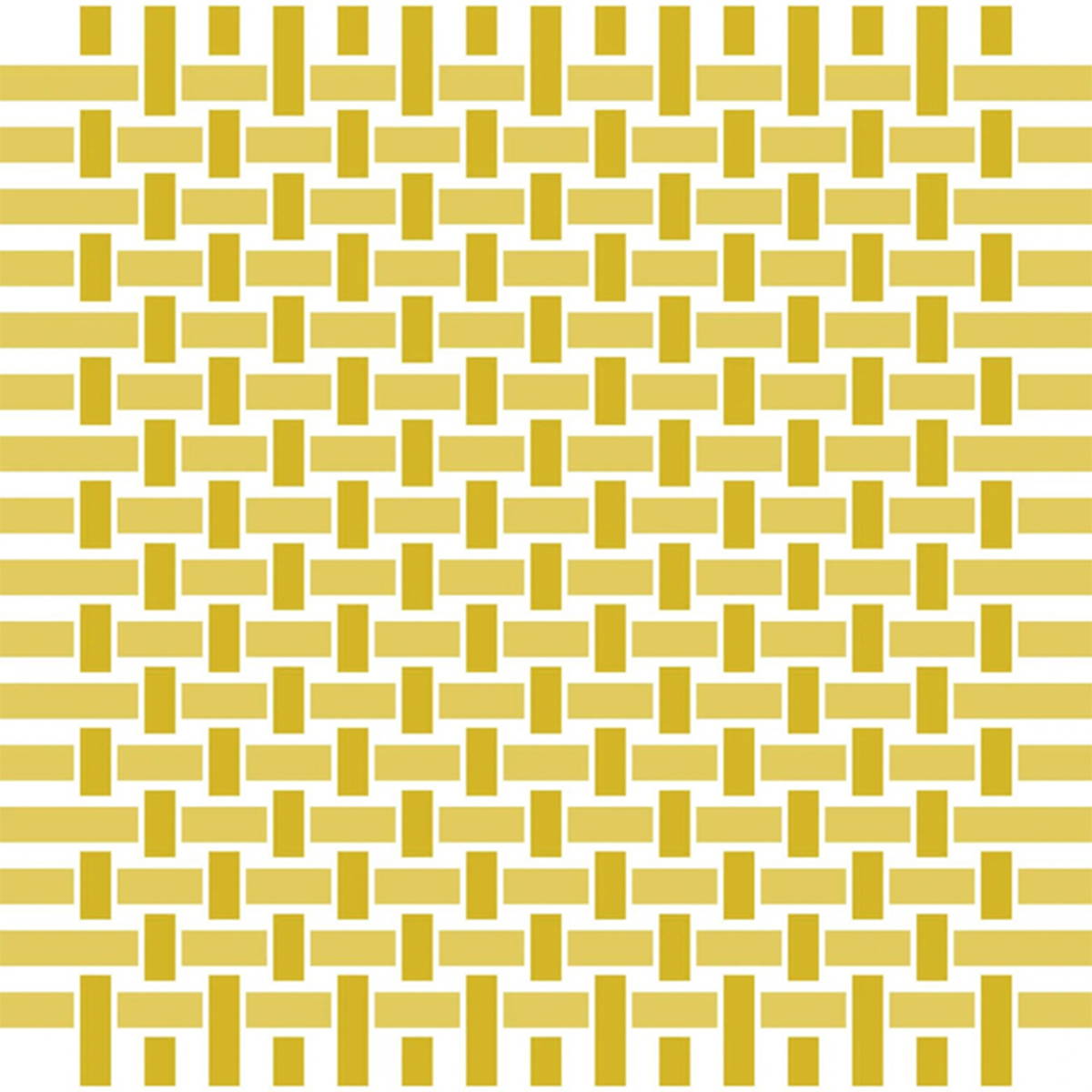
Percale vs Sateen Weaves: Key Differences in Breathability, Texture & Durability
The difference between percale and sateen weaves lies primarily in their construction, texture, and breathability.
Leer más
Dejar un comentario
Este sitio está protegido por hCaptcha y se aplican la Política de privacidad de hCaptcha y los Términos del servicio.