
Spring Sale! Upto 50% Off!
You've read the thread count labels, felt the fabric in stores, and still ended up with sheets that pill after three washes. The problem isn't you — it's that most sheet brands...
Last updated: · By: Kelly Eleanor
Use this section to connect the main question around What to Look for When Buying High-Quality Sheets: A Complete Guide with the practical criteria already covered in the article.
Compare materials, fit, care needs, and the linked product or collection resources before moving from research to purchase.
For readers comparing What should I look for when buying high-quality sheets?, these supporting resources add more context: 23mm 6A+ 100% Mulberry Silk Fitted Sheet-Valentine's Day Gi…; 25mm Mulberry Silk Series; Lilysilk Vs. Promeed Silk Reviews.
The material is the most fundamental aspect of a sheet's quality. Natural fibers like cotton, linen, and silk outperform synthetics in breathability, moisture-wicking, and comfort. But within each category, quality varies dramatically.
For cotton sheets, look for long-staple fibers (like Egyptian or Supima cotton). Longer fibers create stronger, smoother yarn, resulting in more comfortable and durable sheets. Short-staple cotton, common in budget sheets, frays and pills quickly. A good test: hold the fabric up to light — long-staple cotton will appear more uniform and less fuzzy.
Linen is often the longest-lasting material you can buy, characterized by a unique "rough-spun" organic look and fibers that are significantly longer than standard cotton. It's highly breathable and gets softer with each wash, making it ideal for hot sleepers. However, linen wrinkles easily and has a distinct texture that not everyone loves.
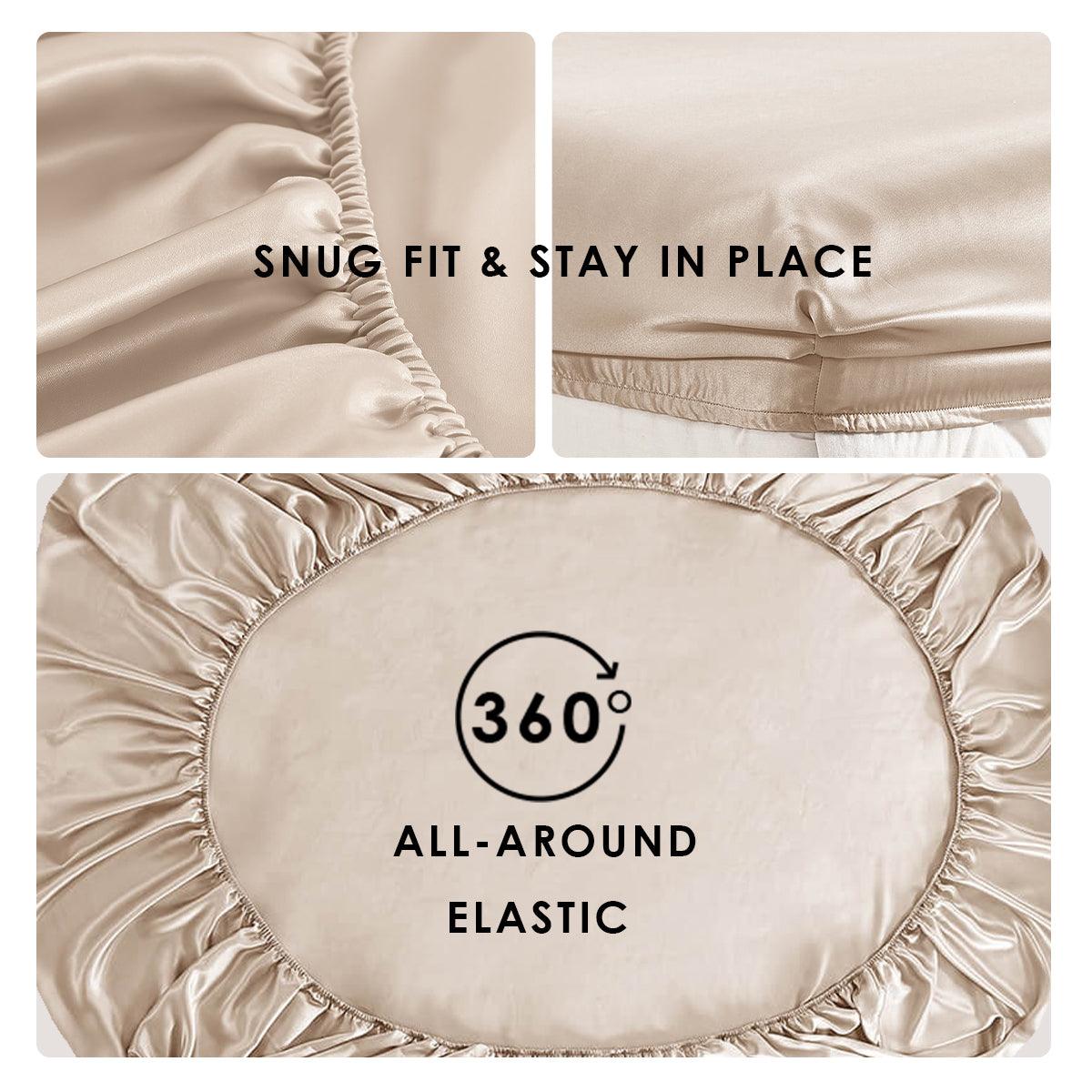
Considered the ultimate luxury, silk is naturally hypoallergenic and gentle on skin and hair. High-quality silk, such as "charmeuse," has a distinct opalescent luster. At Promeed, our Mulberry Silk Sheets are made from 23-momme 6A+ grade silk, which offers the perfect balance of weight, durability, and that signature silky feel. For those seeking the pinnacle of luxury, the 23mm 6A+ 100% Mulberry Silk Fitted Sheet provides a deep-pocket design that stays securely on mattresses up to 16 inches thick.

Thread count refers to the number of individual yarns within a square inch of fabric. While it's often marketed as the primary indicator of quality, the reality is more nuanced.
A thread count between 300 and 400 is typically ideal for a comfortable, high-quality set of cotton sheets. Higher thread counts generally feel softer and "more liquid" because the threads are closer together. However, counts above 600 or 700 are often marketing gimmicks — manufacturers may use multi-ply yarns to inflate the number without improving quality. For a deeper dive, read our guide on Beyond Thread Count: 5 Surprising Secrets to Picking the Perfect Bed Sheets. For silk, thread count is less relevant; instead, focus on momme weight (23mm is the gold standard for durability and feel).
You can test thread count by holding the fabric up and breathing through it; if your breath flows through without impediment, it may have a lower thread count. But breathability also depends on weave and fiber type. For example, percale cotton with a 300 thread count can be more breathable than sateen with 600.
The weave dictates the sheet's appearance, texture, and breathability. Understanding the three main types helps you choose based on your preferences.

| Weave Type | Characteristics | Best For |
|---|---|---|
| Percale | Simple plain weave, crisp and matte, most breathable | Hot sleepers, those who prefer a cool, crisp feel |
| Sateen | Smoother, "liquid" feeling with a slight luster | Those who prefer a silky, soft texture |
| Jacquard | Complex decorative weave, like "woven embroidery" | Visual luxury, design-focused bedrooms |
For silk, the weave is typically a satin weave (charmeuse), which gives it that smooth, lustrous finish. This weave also reduces friction, which is why silk pillowcases are beloved for preventing hair breakage and sleep lines.
Fiber length directly impacts how well sheets hold up over time. Long-staple fibers (over 1.5 inches for cotton) produce stronger yarns that resist pilling and fraying. For silk, the grade (6A+ is the highest) indicates fiber quality and uniformity. Tensile strength — how much force a fabric can withstand before tearing — is another key metric. High-quality sheets typically have a tensile strength of 40-60 pounds per square inch for cotton, while silk can be even stronger due to its protein fiber structure.
When shopping, look for brands that specify fiber length or grade. For example, Promeed's 23mm 6A+ Mulberry Silk Bedding uses only the longest, strongest silk fibers, ensuring your sheets remain beautiful wash after wash.
Even the best sheets will degrade quickly without proper care. Always follow the manufacturer's instructions, but here are universal tips:
With proper care, high-quality sheets can last 5-10 years, making them a cost-effective investment in your sleep health.
Breathability is crucial for comfortable sleep, especially for hot sleepers. Natural fibers like cotton, linen, and silk are inherently breathable because they allow air to circulate and wick moisture away from the body. Synthetic materials like polyester can trap heat and cause night sweats.
Some modern sheets incorporate technology like phase-change materials (e.g., Outlast) to actively regulate temperature. While these can be effective, ensure the technology is scientifically backed. Often, a simple natural fiber with the right weave outperforms high-tech synthetics.
The best material depends on your priorities. For breathability and durability, linen or long-staple cotton percale are excellent. For luxury and skin/hair benefits, mulberry silk is unmatched. At Promeed, our 23-momme silk sheets offer a perfect balance of comfort and longevity.
No. Thread counts above 600-700 are often inflated using multi-ply yarns and don't necessarily indicate better quality. Focus on fiber quality and weave instead. For silk, momme weight is more important than thread count.
Check the fiber length (long-staple for cotton, 6A+ grade for silk), weave quality, and tensile strength. Also, read reviews about pilling and wear after multiple washes. Brands like Promeed that specify these details are more trustworthy.
In summary, a high-quality sheet set should prioritize natural materials with long-staple fibers, a thread count in the 300–400 range (for cotton), and a weave that matches your preference for either breathability or a silky feel. For the ultimate in luxury and performance, consider mulberry silk — it's hypoallergenic, temperature-regulating, and gentle on skin and hair.
Ready to experience the difference? Explore our Mulberry Silk Sheets collection and find your perfect match for a serene, rejuvenating sleep.
Updated April 27, 2026 by Kelly Eleanor, Promeed Editorial Team.
Promeed readers are usually comparing comfort, material quality, care effort, and long-term value before choosing silk bedding. Use this guide as a practical decision path: match the fabric to your sleep priorities, then check whether the care routine fits your household.
For shoppers leaning toward mulberry silk, focus on smooth hand feel, momme weight, gentle washing, and daily friction against hair and skin. Those details keep the article grounded in Promeed's silk bedding expertise without turning the comparison into a generic fabric overview.
For those ready to invest in the best, the 23mm 6A+ 100% Mulberry Silk Fitted Sheet offers the deep-pocket design and premium feel that matches the criteria discussed above.
If these criteria match what you need, use the next step below to compare materials, care details, and available options.
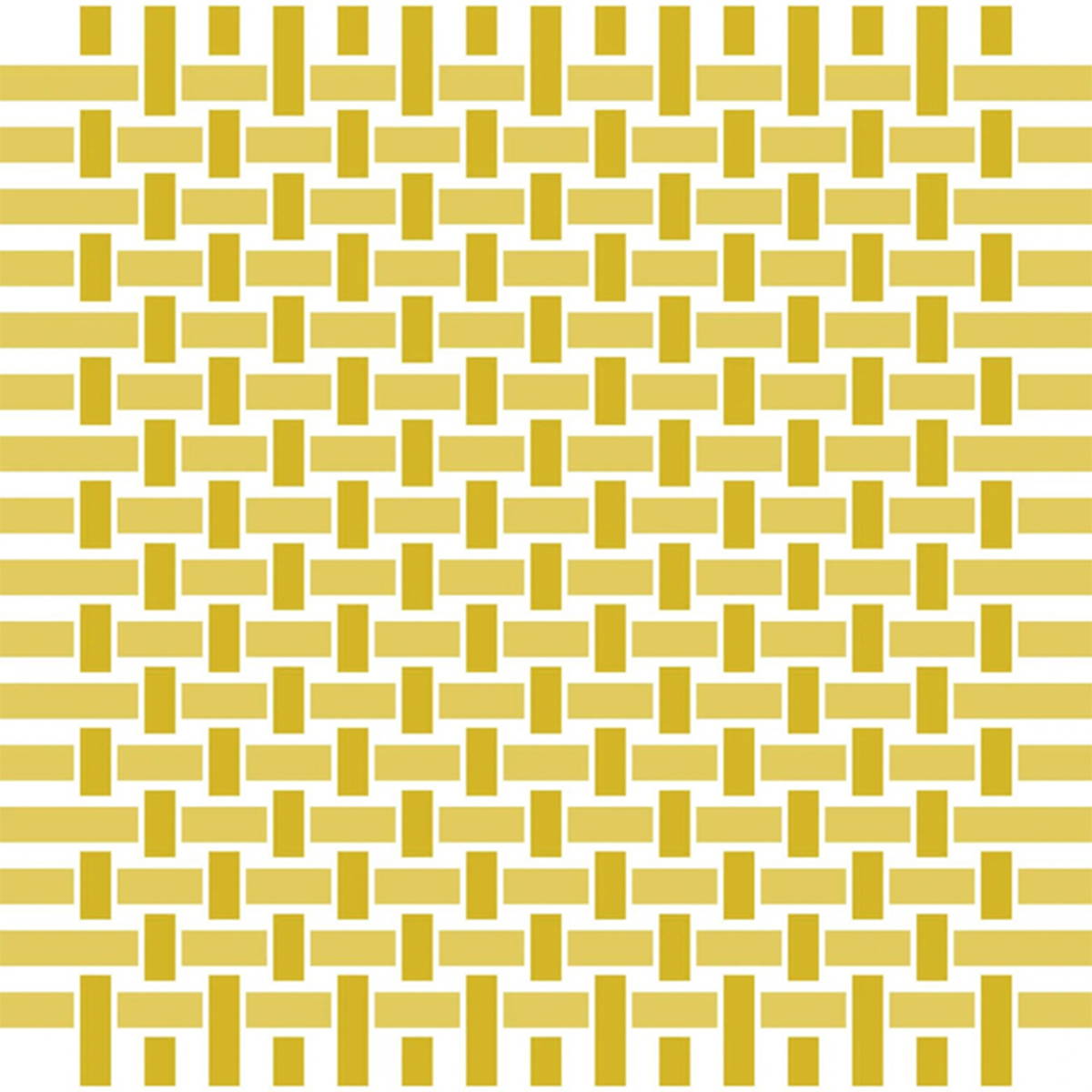
Percale vs Sateen Weaves: Key Differences in Breathability, Texture & Durability
The difference between percale and sateen weaves lies primarily in their construction, texture, and breathability.
Read more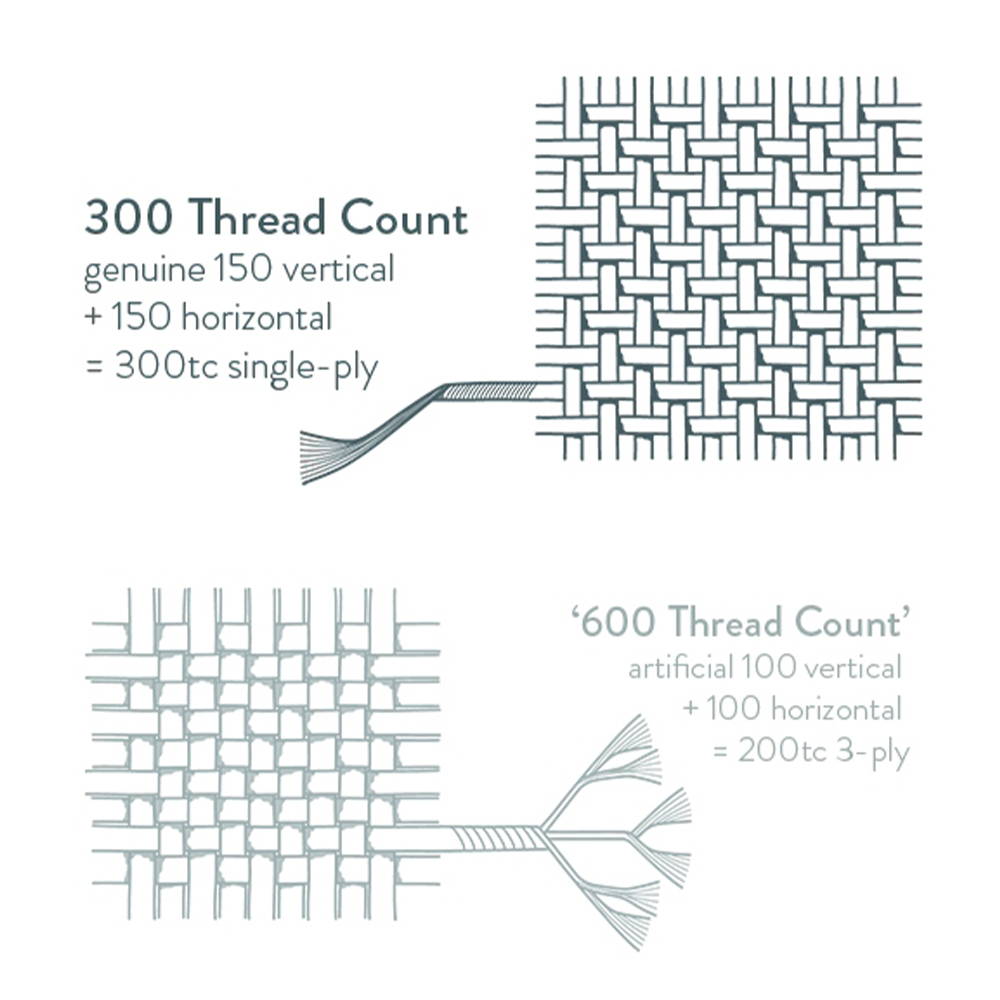
Beyond Thread Count: 5 Secrets to Picking Perfect Bed Sheets
Investing in a new set of bed sheets should be a simple luxury, yet the modern bedding market is a dense thicket of misleading nomenclature and inflated price tags. From "miracle" cooling fabrics t...
Read more
Leave a comment
This site is protected by hCaptcha and the hCaptcha Privacy Policy and Terms of Service apply.