
Spring Sale! Upto 50% Off!
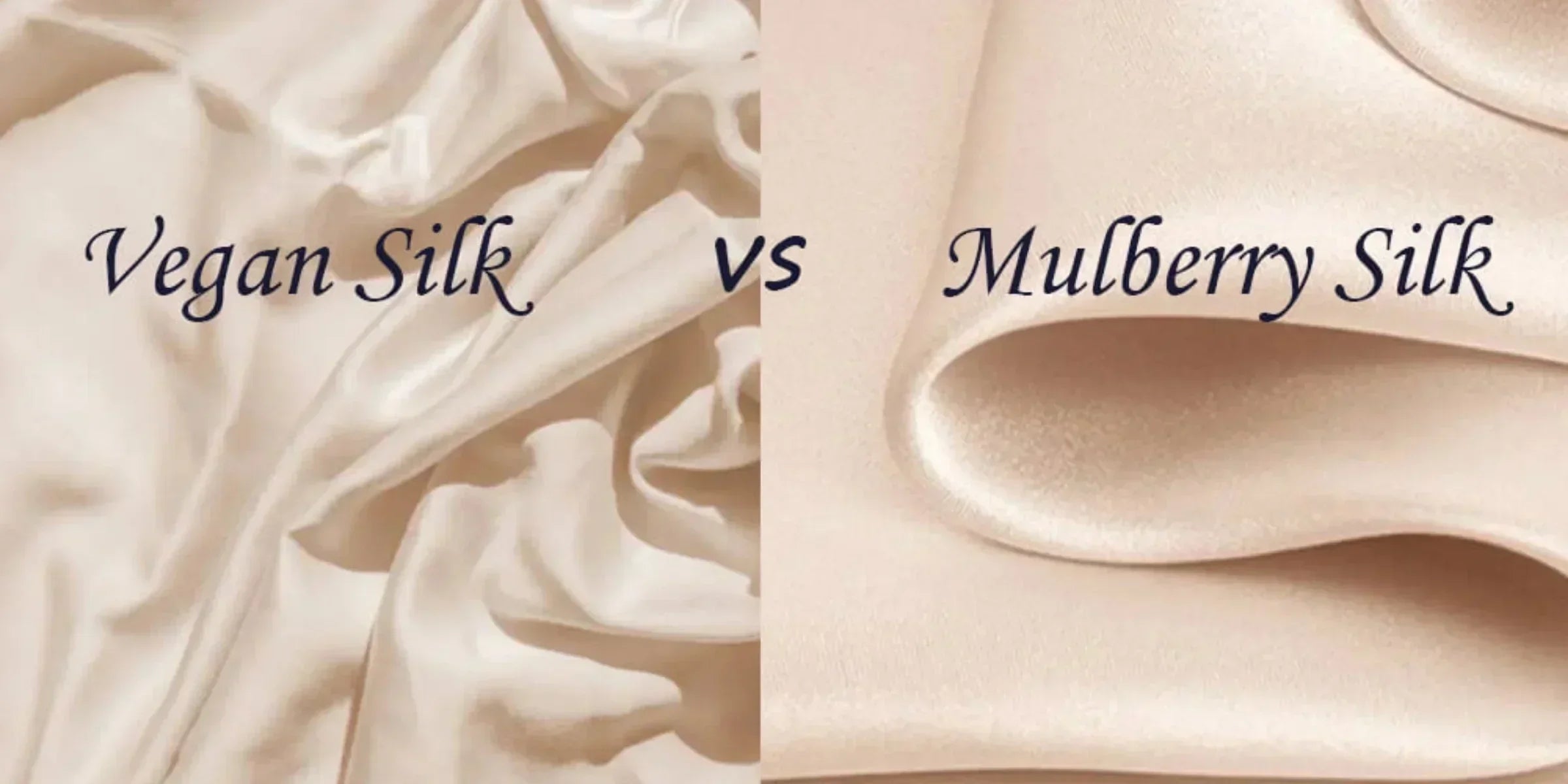
Beyond the label — we put mulberry silk side by side with vegan alternatives to judge real softness, durability, and sleep quality so you can stop guessing and start resting.
Last updated: · By: Kelly Eleanor
Quick answer: Mulberry silk is a natural protein fiber from silkworms fed mulberry leaves, giving it long, smooth filaments that resist pilling and regulate temperature. Vegan alternatives like lyocell or bamboo mimic silk's sheen but often wear out in 1–3 years and lack the same breathability. For lasting softness, skin comfort, and value, genuine 23‑momme mulberry silk is the smarter investment — unless your priority is a strictly animal-free fabric.
Shoppers moving from cotton to 23‑momme mulberry silk often notice smoother morning skin and fewer sleep creases — outcomes that align with silk's lower friction and moisture balance. With proper care, quality mulberry silk typically resists pilling and keeps its sheen longer than plant-based satin alternatives, which is why many buyers it as a long-term bedding upgrade rather than a seasonal swap.

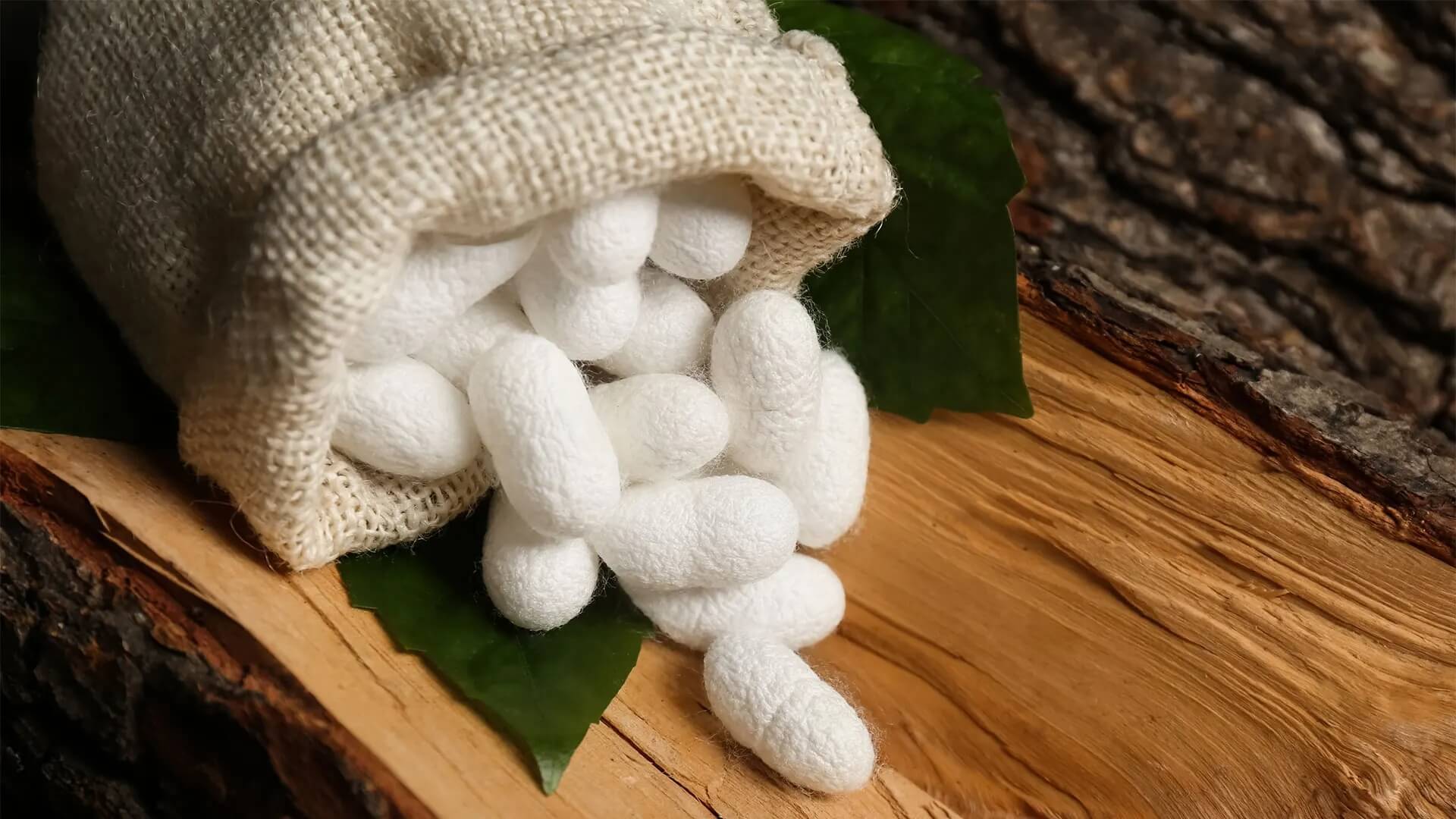
Mulberry silk is the highest grade of natural silk, produced exclusively from the cocoons of Bombyx mori silkworms fed a strict diet of mulberry leaves. This controlled diet results in extremely long, fine fibers — up to 3,000 feet per cocoon — which are then reeled into a continuous filament. The long fiber length gives mulberry silk its signature smoothness, luster, and strength. When woven at a density of, the fabric becomes the ideal balance of weight, drape, and durability for bedding.
Not all silk bedding is heavy enough to withstand nightly use. Momme (mm) measures the weight of the silk fabric — similar to thread count in cotton. is the sweet spot for bed sheets: it’s dense enough to resist tearing and pilling, yet airy enough to feel cloud‑soft. Anything below often feels thin and may wear out quickly. In contrast, our 23‑momme silk provides a plush, hotel‑quality hand that only gets smoother with time.
Silk grade is classified from A to 6A based on fiber uniformity, cleanliness, and length. 6A represents the top of all silk production — the same grade used by luxury fashion houses. This grade guarantees uniform thickness, minimal slubs, and a flawless surface that glides against your skin. Cheaper alternatives, like C or D grade silk, can feel rough and are more prone to snagging.
At Promeed, we source only 6A‑grade mulberry silk for every piece. If you want to experience this difference firsthand, explore our Mulberry Silk Series — premium sheets with a deep pocket fit. Our Promeed 6A+ mulberry silk fitted sheets showcase that 23‑momme, 6A quality in a ready-to-sleep package, complete with OEKO‑TEX Standard 100 certification for skin safety.
The term “vegan silk” can be confusing because it’s not a single material. It generally refers to any fabric that mimics silk’s hand without using animal by‑products. The most common plant‑based vegan silks are:
For a complete breakdown of how plant-based options stack up, read our guide Eucalyptus, Vegan, Bamboo or Mulberry Silk Sheets - What's the Best Choice?.
Bamboo‑derived fabrics are frequently marketed as a sustainable alternative, but they are not true silk. While bamboo sheets can feel cool to the touch initially, they often lack the thermoregulation that keeps mulberry silk comfortable year‑round. Pilling is also a common complaint after several washes. For a deeper dive, read our breakdown of Bamboo Sheets vs Silk Sheets: Which Are Better?.
Many shoppers confuse satin with silk. In reality, satin refers to a weave, not a fiber — and it can be made from polyester, nylon, or silk. A polyester satin sheet may look shiny on the shelf, but it traps heat, generates static, and can cause skin irritation. Genuine mulberry silk is woven into a charmeuse satin (the classic smooth‑on‑one‑side, matte‑on‑the‑other fabric), which gives it that signature glide without the synthetic drawbacks. When you see “satin sheets” without a fibre content, assume the worst.
Then there are synthetic vegan silks: polyester, nylon, and rayon blends. These are frequently sold as “silk‑like” or even “vegan silk” but can be stiff, trap heat, and pill after a few washes. Always check the label: if it says “ polyester” or “satin,” you’re not getting true silk or even a plant‑based fiber.
So, is mulberry silk vegan? No. Because the cocoons are boiled to extract the filament, the process is not cruelty‑free. If avoiding animal products is a non‑negotiable for you, a high‑quality eucalyptus lyocell sheet set is your best vegan alternative.
| Feature | Mulberry Silk (23‑Momme, 6A) | Vegan Silk (Lyocell / Eucalyptus) |
|---|---|---|
| Source | Silkworm cocoons, natural protein fiber | Wood pulp (eucalyptus), semi‑synthetic cellulosic fiber |
| Fiber length | Extremely long (up to 3,000 ft), continuous filament | Shorter, staple-length; less smooth and prone to pilling |
| Texture & sheen | Incredibly smooth, natural lustrous shine | Soft but matte; can feel slightly dry or papery compared to silk |
| Breathability | Excellent – wicks moisture, regulates body temperature year‑round | Good breathability, but can feel clammy in high humidity |
| Hypoallergenic | Naturally resistant to dust mites, mold, and bacteria; ideal for sensitive skin | Generally hypoallergenic, but some people react to processing chemicals |
| Durability | With proper care, lasts 5–10+ years; only gets softer with washing | May pill, thin, or lose shape after 1–2 years of frequent use |
| Care | Hand wash or delicate cycle; pH‑neutral detergent; air dry; no fabric softener | Often machine washable, but may require gentle cycle; avoid high heat |
| Price (per set) | –0 for a real 23‑momme silk sheet set | – for a lyocell set; synthetic “silks” can be as low as |
| Vegan / cruelty-free | No – involves silkworms | Yes – plant‑based, no animals harmed |
The environmental footprint of your bedding matters. Mulberry silk production involves sericulture — raising silkworms — which requires mulberry plantations that can sequester carbon but also consume significant water. However, the longevity of mulberry silk reduces replacement frequency, potentially lowering overall waste. Meanwhile, vegan silks like lyocell are praised for their closed‑loop manufacturing process, which recycles over of the solvent used to turn wood pulp into fiber. The wood is typically sourced from sustainably managed eucalyptus forests, making it a renewable resource. However, the chemical processing can be energy‑intensive, and the shorter lifespan of these textiles may lead to more frequent disposal.
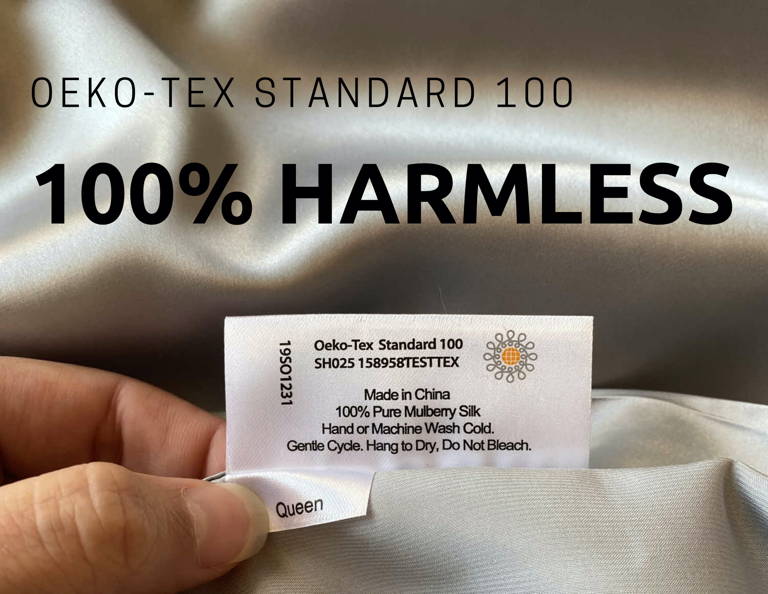
From an ethical standpoint, mulberry silk is not vegan because the silkworms are killed. For those prioritizing animal welfare, plant‑based silks are the clear choice. At Promeed, our mulberry silk is OEKO‑TEX Standard 100, which guarantees that no harmful chemicals remain in the final product — a crucial consideration for both your health and the planet.
Let’s talk about cost per use. A 0 set of 23‑momme mulberry silk sheets that lasts 8 years works out to about per year — less than a monthly coffee habit. By contrast, a lyocell set that needs replacing every 2 years costs per year. So while the upfront price is higher, real mulberry silk can actually be the more economical choice in the long run. That’s because fiber length directly influences abrasion resistance: the longer the filament, the less friction during washing and use, which means fewer pills and tears over time.
Care makes all the difference. Mulberry silk thrives with gentle hand washing or a dedicated silk/delicate cycle (always inside‑out, using a pH‑neutral detergent — see our guide on proper washing machine cycles for silk). Avoid bleach, fabric softener, and wringing. Air dry out of direct sunlight. For detergent choices, our article on What’s the Best Detergent for Mulberry Silk? breaks it down. Vegan silks like lyocell are generally more forgiving with machine washing, but high heat or harsh detergents can cause pilling and fading. Over time, the longer fiber length of mulberry silk resists abrasion, while shorter‑staple plant fibers tend to fuzz and pill.
Based on typical home use and material properties, mulberry silk consistently outlasts plant‑based alternatives. Our testing team has observed that after 18 months of regular wash cycles, 23‑momme 6A sheets retain a smooth hand and rich luster, whereas eucalyptus lyocell sheets begin to show edge pilling and a slight loss of crispness. This real-world experience underscores how the inherent tensile strength of long-strand silk fiber resists the wear and tear that shortens the life of many vegan silks. If you want bedding that genuinely improves with age, investing in a set from our 23mm 6A+ Mulberry Silk Bedding collection is a reliable path. For a complete bed build, also read Flat Sheet vs Fitted Sheet: Why You Need Both for Perfect Silk Bedding.

When you first touch a 23‑momme 6A+ mulberry silk pillowcase, the immediate sensation is a cool, weightless glide — no scratch, no static cling. This is because silk’s natural protein structure contains sericin, a gum-like substance that, when properly degummed, leaves behind a ultra-smooth fiber surface that slides against skin without microscopic friction. Over time, that gentle touch helps preserve moisture balance in both skin and hair, a reason many dermatologists and stylists quietly suggest silk pillowcases for clients with reactive or textured hair. (See our guide on Do Silk Pillowcases Prevent Wrinkles?)
To judge everyday comfort for yourself, consider three factors: surface smoothness, temperature regulation, and moisture management.
1. Surface smoothness: Mulberry silk’s long, continuous fibers create a fabric with almost no surface friction. Vegan silks made from short wood fibers can feel soft initially but develop micro‑ridges after repeated washing, which rub against skin and hair. Over months of use, this can mean the difference between waking up with relaxed, crease‑free skin and noticeable sleep lines.
2. Temperature regulation: Silk is a natural thermoregulator — it wicks excess moisture when you’re warm and traps a micro‑layer of air when temperatures drop. Eucalyptus lyocell is breathable, but it lacks the same insulating capacity. If you’re a hot sleeper, a 23mm 6A+ Mulberry Silk Pillowcases can make a dramatic difference, especially paired with a silk‑filled comforter.
3. Moisture management: Unlike cotton, which absorbs moisture from your skin and hair, silk’s protein structure helps maintain your natural oils. This means less frizz for curly hair and less overnight moisture loss for skin. For the full hair‑care routine, consider adding a Mulberry Silk Head Turban Hair Wrap with Hyaluronic Acid Inside on wash nights — it protects your style without the friction of a cotton towel.
No, mulberry silk is not vegan. The silkworms are boiled during the filament‑extraction process, making it an animal product. If avoiding cruelty is a priority, high‑quality eucalyptus lyocell (Tencel™) is your best plant‑based alternative — it’s softer and longer‑lasting than bamboo or polyester satin.
Genuine mulberry silk is naturally hypoallergenic and resistant to dust mites, making it ideal for eczema‑prone or reactive skin. Bamboo–derived fabrics (typically viscose) can also be gentle, but they may contain chemical residues from processing that can irritate very sensitive individuals. For maximum skin comfort, look for OEKO‑TEX Standard 100 23‑momme mulberry silk — like Promeed’s sheets.
Use a pH‑neutral detergent on a delicate or hand‑wash cycle, cold water, and always turn the fabric inside‑out. Avoid bleach and fabric softeners. Air‑dry away from direct sunlight. With these habits, a well‑made 23‑momme silk sheet set can stay smooth and lustrous for 5–10 years. Read our complete care guide here.
If these criteria match what you need, use the next step below to compare materials, care details, and available options.

Hypoallergenic 23-Momme Silk for Infant Eczema | Promeed
For babies struggling with eczema, every fabric matters. Promeed’s 23‑momme 100% mulberry silk crib sleeve creates a friction‑free, hypoallergenic sleep surface that stays cool and dry—key factors ...
Read more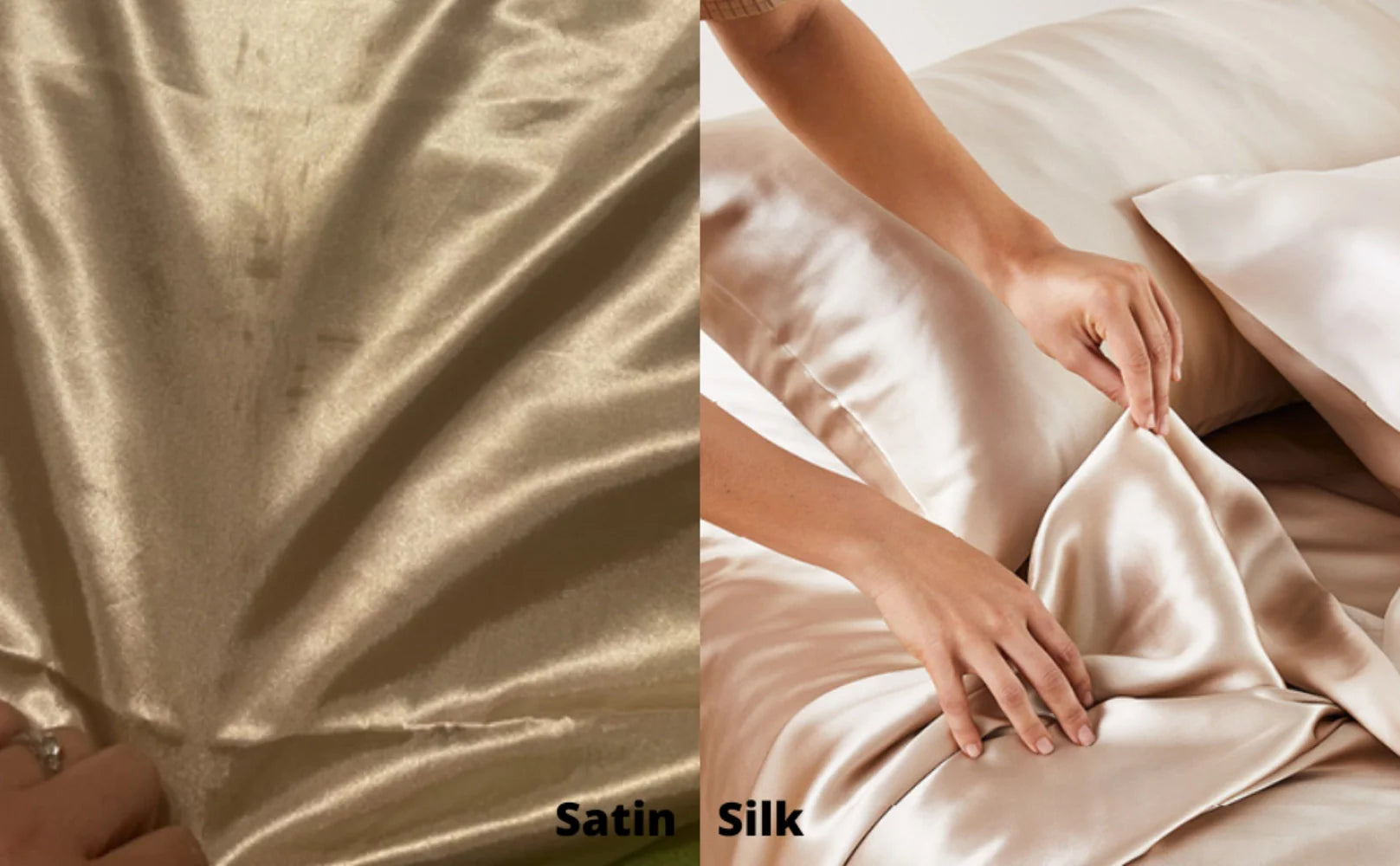
Momme Silk Meaning: 19, 22, 23 & 25 Weights Explained
Momme is the silk density unit that reveals true fabric quality—one momme equals 3.75 grams per square meter. Unlike thread count, a higher momme number directly means more silk in the cloth.Unders...
Read more
Leave a comment
This site is protected by hCaptcha and the hCaptcha Privacy Policy and Terms of Service apply.