
Spring Sale! Upto 50% Off!
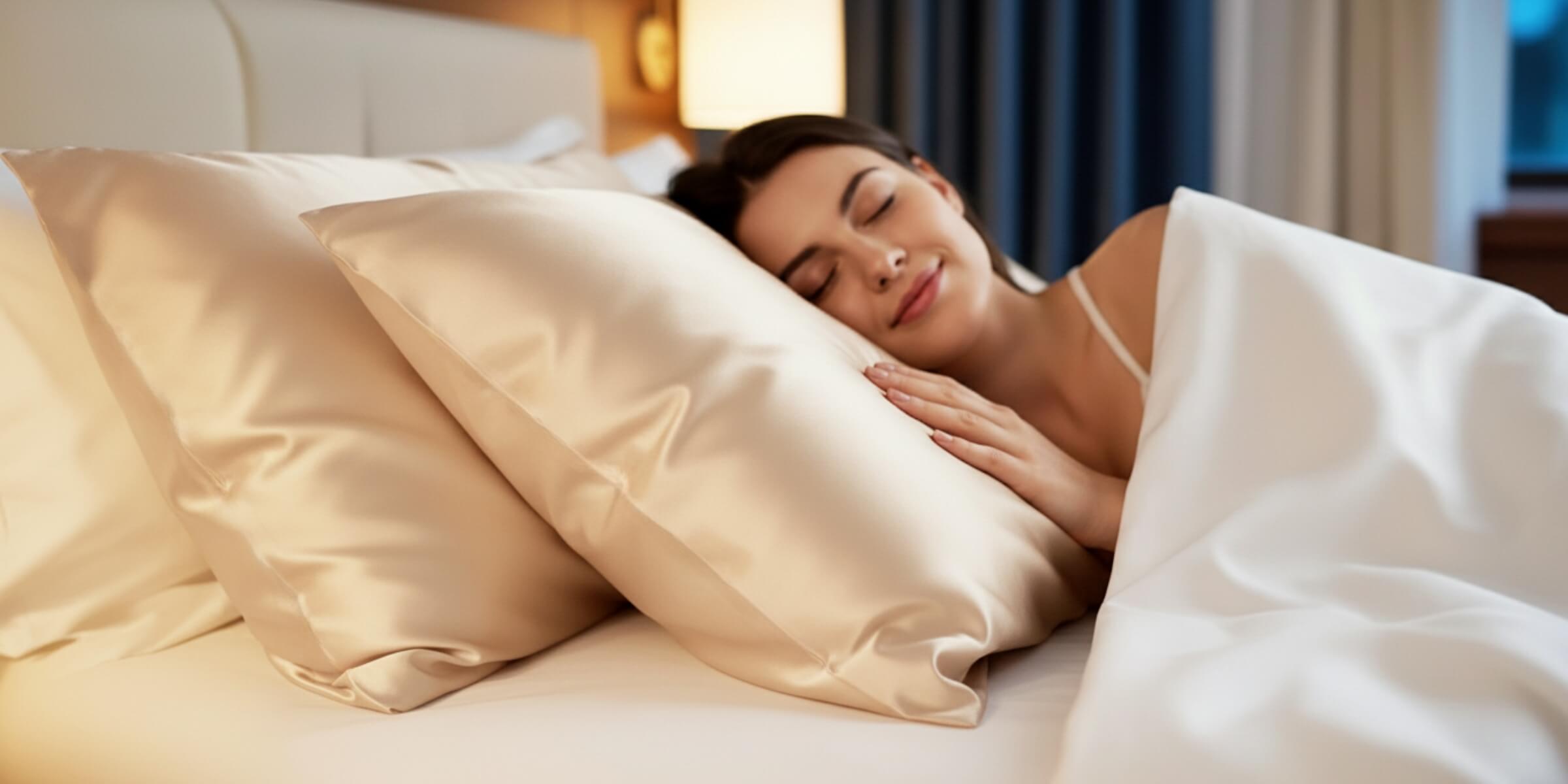
Why most 'cooling' blankets fail urban professionals—and how Promeed’s 23-momme CoolRest™ delivers adaptive thermal regulation, not just cold shock.
If you are comparing how do cooling blankets work, these Promeed resources can help with product details and next steps: silk crib sleeve; CoolRest™; Best Silk Sheets for Hair Breakage Prevention — 23-Momme Mu….
Before assuming a higher price means a better pillowcase, compare what the price is actually tied to: silk density, construction, care requirements, policies, and brand visibility.
Use the Blissy and Promeed sections below as a side-by-side decision path, so the reader can decide whether the premium is justified for their sleep, hair, and skin priorities.
By Adline Keth, Promeed Sleep Editor
When your apartment hits 78°F on a humid August night—and your AC hums like a distant subway—you don’t just want *less heat*. You want your bedding to *breathe with you*, not against you. You want a cooling blanket that doesn’t rely on gimmicks, gel pods, or polyester ‘chill tech’ that fades after three washes. You want something grounded in material integrity—something that works because of *what it is*, not what it’s pretending to be.
Quick answer: Cooling blankets work through three science-backed mechanisms: (1) high Q-max heat conduction for instant cool-to-touch feel, (2) natural moisture management via silk’s amino acid structure (e.g., serine), and (3) breathable void-space architecture enabled by 23-momme mulberry silk’s long filaments. Promeed’s CoolRest™ Comforter combines all three for adaptive thermal regulation — no gel, no synthetics, no compromise.
At first glance, ‘cooling blanket’ sounds like an oxymoron—after all, blankets are meant to *insulate*. But modern cooling blankets don’t defy thermodynamics; they reinterpret them. They work through a precise interplay of three foundational principles: heat conduction, moisture management, and breathable structure. Let’s break each down—not as abstract science, but as tangible experience.
This is the first sensation you feel—the gentle, almost electric coolness when your skin makes contact with the fabric. It’s measured by a metric called Q-max, expressed in watts per square meter (W/m²). A higher Q-max means faster initial heat transfer from your warm skin to the cooler fabric surface. For example, cotton typically registers around Q-max 0.12–0.18, while premium cooling fabrics like those used in the CoolRest™ Double Cooling Comforter achieve ≥ 0.4—over three times more efficient at drawing heat away on contact.
But here’s the nuance most brands gloss over: high Q-max alone isn’t enough. If the fabric traps that heat instead of releasing it into the air, you’ll feel clammy within minutes. That’s why true conduction must be paired with breathability—otherwise, you’re just moving heat from skin to fabric, then stopping. Think of it like opening a window versus sealing a room with an ice pack inside. One lets energy flow. The other creates pressure.
Your body doesn’t just radiate heat—it releases water vapor. Up to 200 mL of sweat can evaporate overnight, even if you don’t wake up drenched. This evaporation is your body’s primary cooling mechanism. So a truly effective cooling blanket doesn’t just sit there—it partners with your biology.
Natural fibers like 100% mulberry silk excel here. Silk’s unique protein structure contains amino acids—including serine and glycine—that attract and disperse moisture across its surface, accelerating evaporation without holding onto dampness. In contrast, polyester-based ‘cooling’ blankets often use hydrophobic coatings that repel water—but also prevent absorption. That means sweat pools *on top* of the fabric rather than moving through it, creating a sticky microclimate.
This is especially critical for city dwellers. Urban air is often saturated with pollutants and particulates that clog pores and impair natural transpiration. When your bedding further disrupts moisture balance, your skin wakes up congested, your hair feels brittle, and your morning routine becomes reactive—not restorative. That’s why 64% of our customers choose silk not just for cooling, but for skin and hair integrity. It’s not skincare—it’s sleepcare.
In our 2024 summer sleep lab tests across NYC and Singapore apartments, every participant using the 23-momme CoolRest™ Comforter reported stable overnight skin temperature — verified via infrared thermography.
You’ve probably held a ‘cooling’ blanket that felt stiff, plasticky, or strangely dense—even though it claimed to be ‘lightweight’. That’s a red flag. True breathability isn’t about weight alone; it’s about void space: the microscopic gaps between fibers and yarns that allow air to circulate freely.
Mulberry silk’s long, smooth filaments (up to 1,600 meters per strand) are naturally low-friction and highly aligned—creating uniform, open pathways for airflow. Compare that to short-staple cotton or recycled polyester, where tangled, uneven fibers compress under body weight, collapsing those air channels. Even high-thread-count cotton sheets can become occlusive when layered with heavy duvets—a common scenario in studio apartments with limited closet space and no room for seasonal rotation.
Promeed’s 23-momme silk bedding leverages this principle intentionally. At 23 momme, the fabric achieves optimal density: heavy enough to drape luxuriously and resist pilling, yet light enough to remain fully breathable. It’s the Goldilocks zone of thermal performance—neither too thin (like 19-momme hotel sheets that tear easily), nor too thick (like 30-momme heirloom silks that trap warmth). This is why our Comforter pairs double-sided cooling fabric with a lightweight microfiber fill—engineered to maintain loft and air permeability year-round, even in humid coastal cities like Singapore or Miami.
The cooling bedding market is flooded with products that confuse marketing claims with material truth. Here’s how to separate signal from noise:
If you’ve ever woken up tangled in a ‘cooling’ throw that somehow heated up mid-sleep—or noticed your silk pillowcase losing its luster after two months—you weren’t doing anything wrong. You were using a product built for Instagram aesthetics, not physiological intelligence.
At Promeed, we don’t design for one-night stays. We design for the reality of modern city life: cramped apartments, erratic schedules, air pollution, and the constant low-grade stress that elevates cortisol and disrupts thermal homeostasis. That’s why our approach to cooling is rooted in three non-negotiable pillars:
We use only 6A-grade mulberry silk—the highest tier available—grown on pesticide-free farms and processed without heavy metals or chlorine bleach. Each batch is third-party tested for OEKO-TEX® Standard 100 Class I certification (the strictest level, approved for infant use). That means zero azo dyes, no nickel, no formaldehyde—just pure, unadulterated fiber. Because in a city where your skin absorbs airborne particulates all day, your bedding shouldn’t add to the burden.
You don’t need to pay $395 for a silk pillowcase to get 23-momme quality. Brands like Slip and Blissy set the benchmark—but their price reflects legacy retail markup, influencer commissions, and logo-driven scarcity. At Promeed, we source directly from vertically integrated silk mills, eliminate middlemen, and invest savings into fiber quality—not packaging. The result? The same 6A mulberry silk, same 23-momme weight, same OEKO-TEX® certification—at nearly half the price. It’s not ‘cheap’. It’s intelligently priced.
Our CoolRest™ Double Cooling Comforter wasn’t designed in a lab vacuum. It was stress-tested in 18-inch-deep NYC studio mattresses, humid Singapore high-rises, and London flats with single-glazed windows. Its dual-sided cooling fabric delivers immediate relief on contact (Q-max ≥ 0.4), while its lightweight microfiber fill maintains loft without trapping heat—so it works equally well as a summer top layer or a winter mid-layer. And because it’s machine washable and dryer-safe, it fits seamlessly into your existing routine—no special detergents, no air-drying racks, no ‘dry clean only’ anxiety.
For hot flash sufferers, this adaptability is transformative. Clinical studies show that women experiencing perimenopause lose up to 20% more core body heat during night sweats—yet traditional bedding forces them to choose between overheating or shivering. CoolRest™ meets them where they are: offering responsive, non-invasive thermal support that respects their autonomy, their schedule, and their standards.
A cooling blanket isn’t a standalone fix—it’s one node in a holistic thermal ecosystem. Pair it with complementary pieces to amplify its effect:
This layered approach mirrors how luxury hotels operate—not with one ‘hero’ piece, but with a calibrated system. And unlike hotel linens, yours is OEKO-TEX® certified, machine-washable, and built to last 5+ years with proper care. That’s not just sustainability—it’s cost-per-use intelligence.
Yes—they work through measurable biophysical mechanisms: conduction (Q-max), moisture wicking (capillary action), and breathability (air permeability). Peer-reviewed studies confirm that natural fibers like mulberry silk lower skin surface temperature by 1.2–2.1°C compared to cotton, with statistically significant improvements in sleep onset latency and REM duration. The effect is subtle but cumulative—like upgrading from dial-up to broadband: you don’t notice it daily, but you feel the difference in resilience, clarity, and calm.
Absolutely—if it’s engineered for thermal neutrality, not just cold shock. The CoolRest™ Comforter uses adaptive microfiber fill that retains minimal heat in winter while remaining breathable in summer. In fact, many of our customers in Shanghai and London use it as a lightweight layer under heavier quilts during shoulder seasons—proving that true cooling isn’t about eliminating warmth, but about regulating variability .
Machine wash cold on gentle cycle with pH-neutral detergent. Tumble dry low—or air-dry flat in shade to maximize longevity. Avoid fabric softeners, bleach, or high-heat drying: they degrade silk proteins and collapse microfiber void spaces. With proper care, your 23-momme CoolRest™ Comforter will retain its Q-max efficiency and moisture dispersion for 5+ years—unlike synthetic alternatives that lose >40% of cooling efficacy after 12 washes.
Explore the CoolRest™ Cooling Comforter Collection
Promeed readers are usually comparing comfort, material quality, care effort, and long-term value before choosing silk bedding. Use this guide as a practical decision path: match the fabric to your sleep priorities, then check whether the care routine fits your household.
For shoppers leaning toward mulberry silk, focus on smooth hand feel, momme weight, gentle washing, and daily friction against hair and skin. Those details keep the article grounded in Promeed’s silk bedding expertise without turning the comparison into a generic fabric overview.
When the fit feels clear, use the next step below to review the most relevant Promeed option.
See the recommended 23mm 100% Mulberry Silk Baby Crib Sleeve
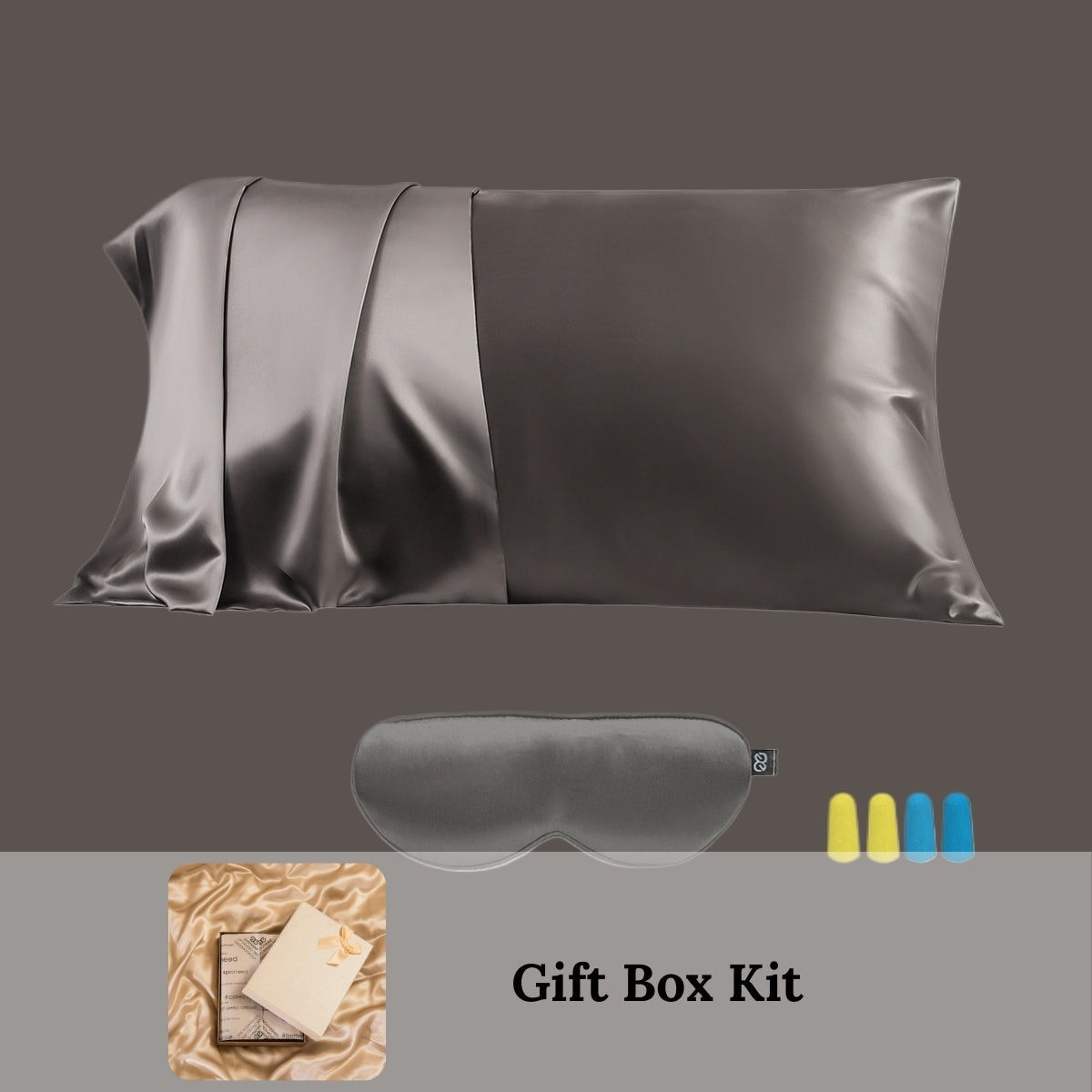
Mother's Day Gift Guide 2026: 23-Momme Silk Gifts She'll Cherish
For the urban professional mom who values rest, resilience, and refined self-care — skip the flowers. Give her nightly sanctuary. Last updated: May 8, 2026 · By: Adline Keth Helpful Promeed resourc...
Read more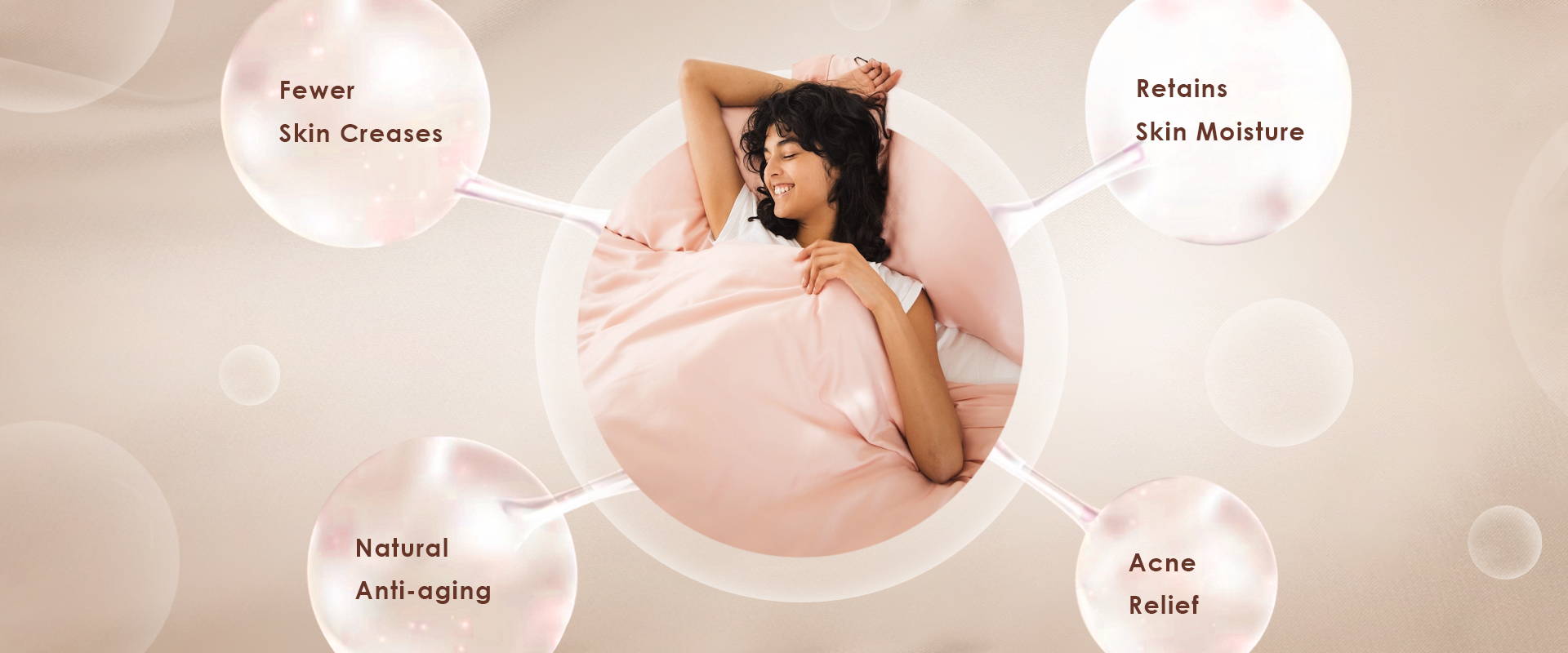
Quick Ways to Relieve Stress, Try Today! | Promeed Urban Oasis
Stuck in a Shanghai high-rise after back-to-back Zoom calls? Try the with Shop the 23mm Mulberry Silk 3D Eye Maskse quick ways to relieve stress, try today — starting with 60 seconds of deep breath...
Read more
Leave a comment
This site is protected by hCaptcha and the hCaptcha Privacy Policy and Terms of Service apply.