
Spring Sale! Upto 50% Off!
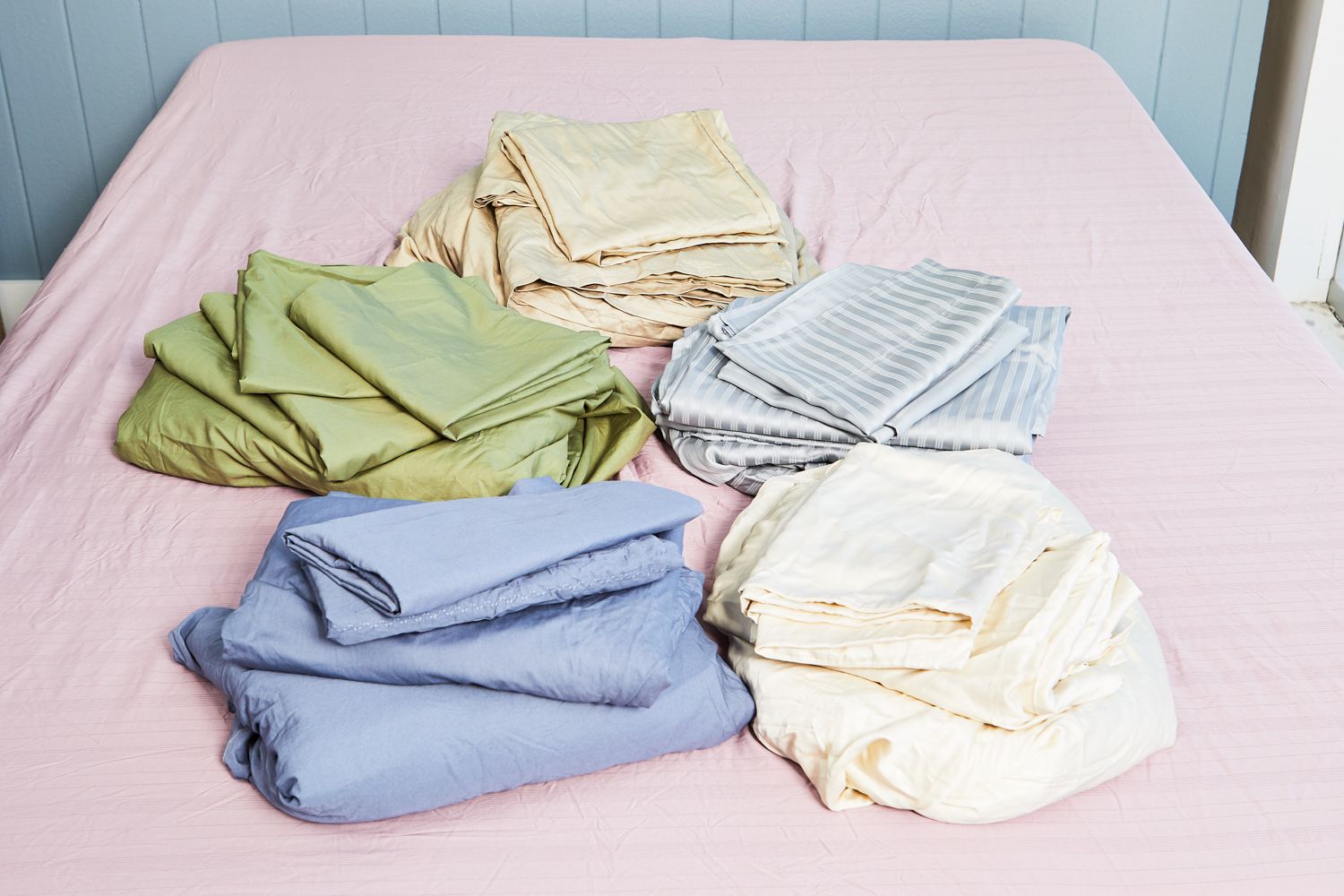
Is bamboo silk truly eco-friendly or just greenwashed hype? Compare the Eucalyptus, Vegan, Bamboo or Mulberry Silk Sheets – What’s the Best Choice? for product details. We break down feel, durability, and cost so you can choose with clarity — no greenwashing.
Last updated: · By: Kelly Eleanor
Quick answer: Bamboo silk is a plant-based fabric made from bamboo cellulose, often processed chemically like rayon. It feels similar to real silk but is less durable and breathable. Genuine mulberry silk, especially the 23‑momme 6A+ grade, offers superior longevity, temperature regulation, and skin/hair benefits. For a long-term investment, mulberry silk remains the better choice.
Go to Why Bamboo Silk Is Trending and What Exactly Is Bamboo Silk? to understand fabric basics.
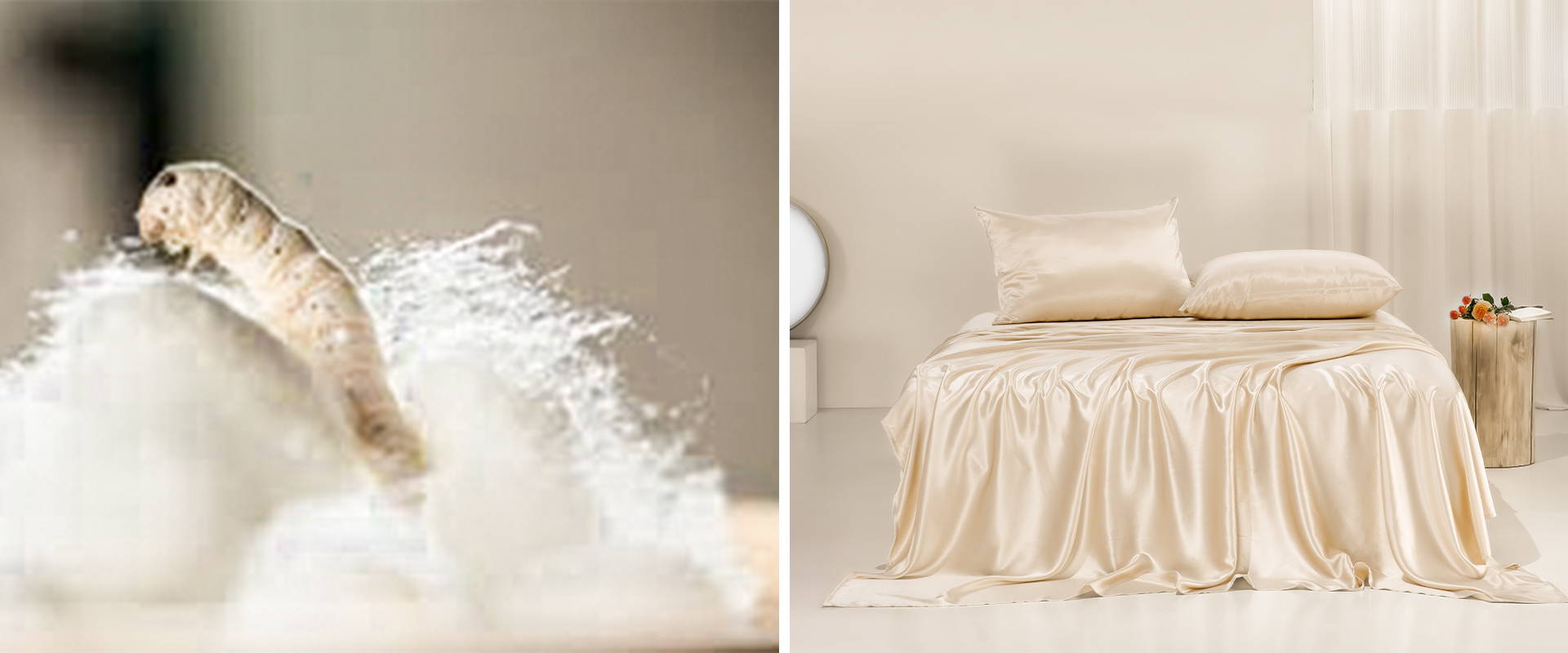
Walk into any home goods store today and you’ll see shelf after shelf of “bamboo silk” pillowcases, sheets, and duvet covers. The draw is obvious: a fabric that promises the lustrous hand of silk without the price or the ethical baggage of silk farming. Bamboo silk is manufactured from the cellulose of the fast‑growing bamboo plant, and its marketing leans heavily on sustainability and cruelty‑free production. As Gen Z and eco‑conscious millennials drive demand, more brands are pushing bamboo silk as the fabric of the future.
Yet a closer look reveals a more complicated picture. The term “bamboo silk” is a trade name, not a regulated textile fiber. In many cases, the fabric is simply bamboo viscose or rayon—chemically intensive processes that turn wood pulp into fiber. Understanding what you’re really buying is essential before you invest in a set of sheets or a hair turban. The rise of bamboo silk has also triggered a renewed interest in 6A+ Mulberry Silk Pillowcases, which represent the gold standard for skin and hair protection.
Despite the name, bamboo silk has no connection to the silkworm. It is a man‑made cellulosic fiber, similar to rayon, lyocell, or modal. Manufacturers crush bamboo stalks, extract cellulose, and then dissolve it in a chemical bath—often involving sodium hydroxide and carbon disulfide—to produce a viscous solution. That solution is forced through spinnerets to form long filaments, which are then woven into fabric. The result feels smooth and cool, but its molecular structure differs fundamentally from the protein‑based, long‑staple fibers of sericulture silk.
The critical difference lies in fiber length and strength. Real mulberry silk threads are continuous filaments that can stretch 600–900 meters without breaking; bamboo silk fibers are short staple, which affects tensile strength and abrasion resistance over many wash cycles. That’s why a mulberry silk pillowcase tends to outlast a bamboo silk counterpart by a factor of two or more.
Mulberry silk begins as a continuous protein filament spun by the Bombyx mori silkworm. Its molecular structure includes sericin and fibroin, which give the fiber a natural elasticity and a smooth, friction‑free surface. In contrast, bamboo silk’s cellulose chains are shorter and rely on chemical binding agents, resulting in a coarser hand and weaker tensile strength.

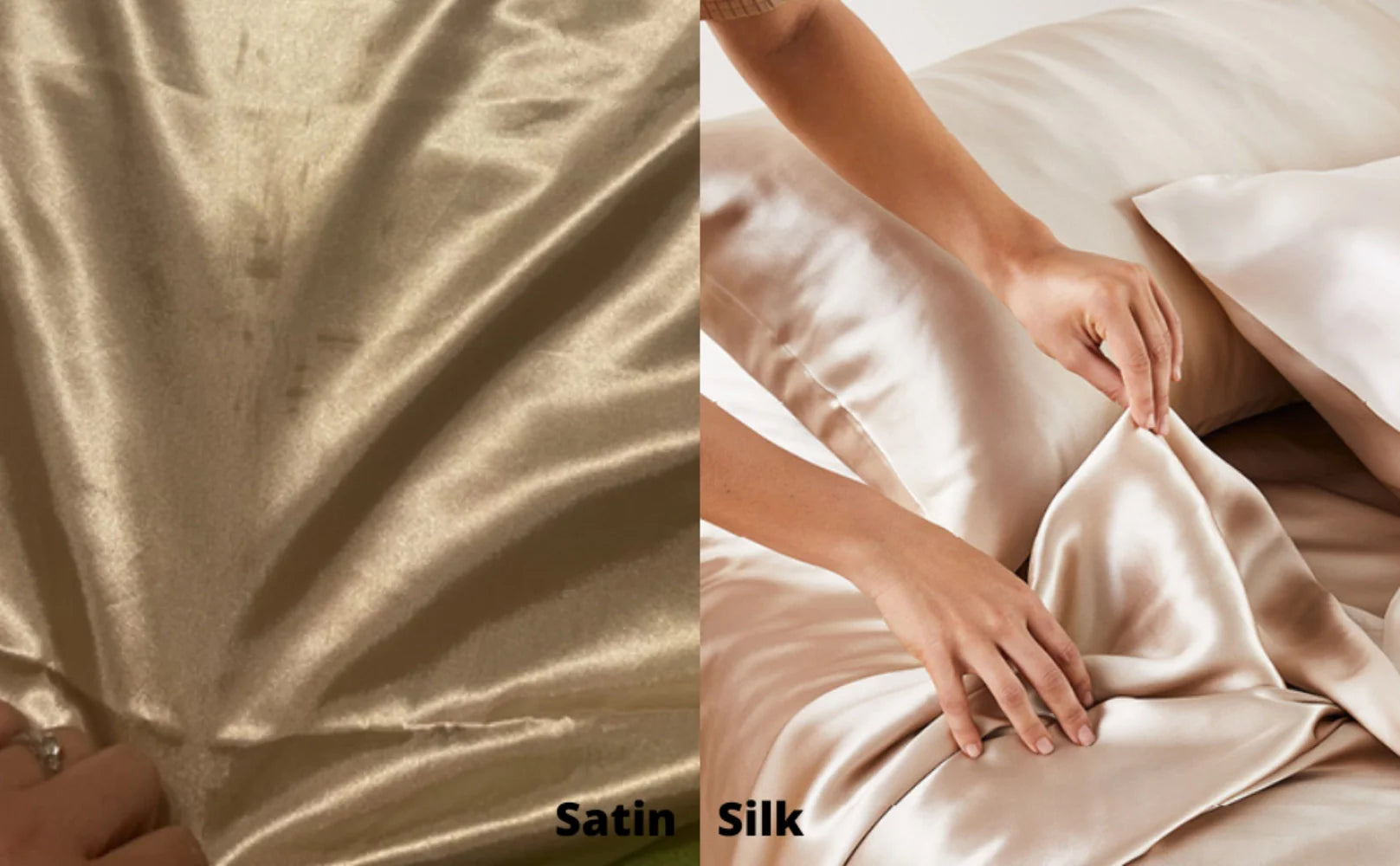
When you rub a 23‑momme mulberry pillowcase between your fingers, you’ll notice a subtle resistance—a sign of high‑density weaving. That same case, after a year of nightly use, will still glide against your skin rather than catching on dry patches or hair cuticles. To judge a silk fabric’s everyday comfort, consider four factors: momme weight (22–25 is ideal for bedding), the absence of chemical finishes, how evenly the weave reflects light, and how the fabric warms to body temperature within seconds. Bamboo silk often uses a resin coating to imitate the gloss of mulberry silk, which can feel sticky in humid weather and wash away after repeated laundering.
| Property | Bamboo Silk | Mulberry Silk |
|---|---|---|
| Fiber type | Regenerated cellulose | Natural protein (fibroin) |
| Tensile strength | Moderate, weakens when wet | High, elastic |
| Breathability | Good initial; can feel damp | Excellent; wicks moisture |
| Pilling resistance | Low; pills after 50+ washes | High; lasts 200+ washes |
| Eco credentials | FSC bamboo, but chemical viscose | Biodegradable, OEKO-TEX |
| Cost per use | Higher due to short life | Lower long-term |
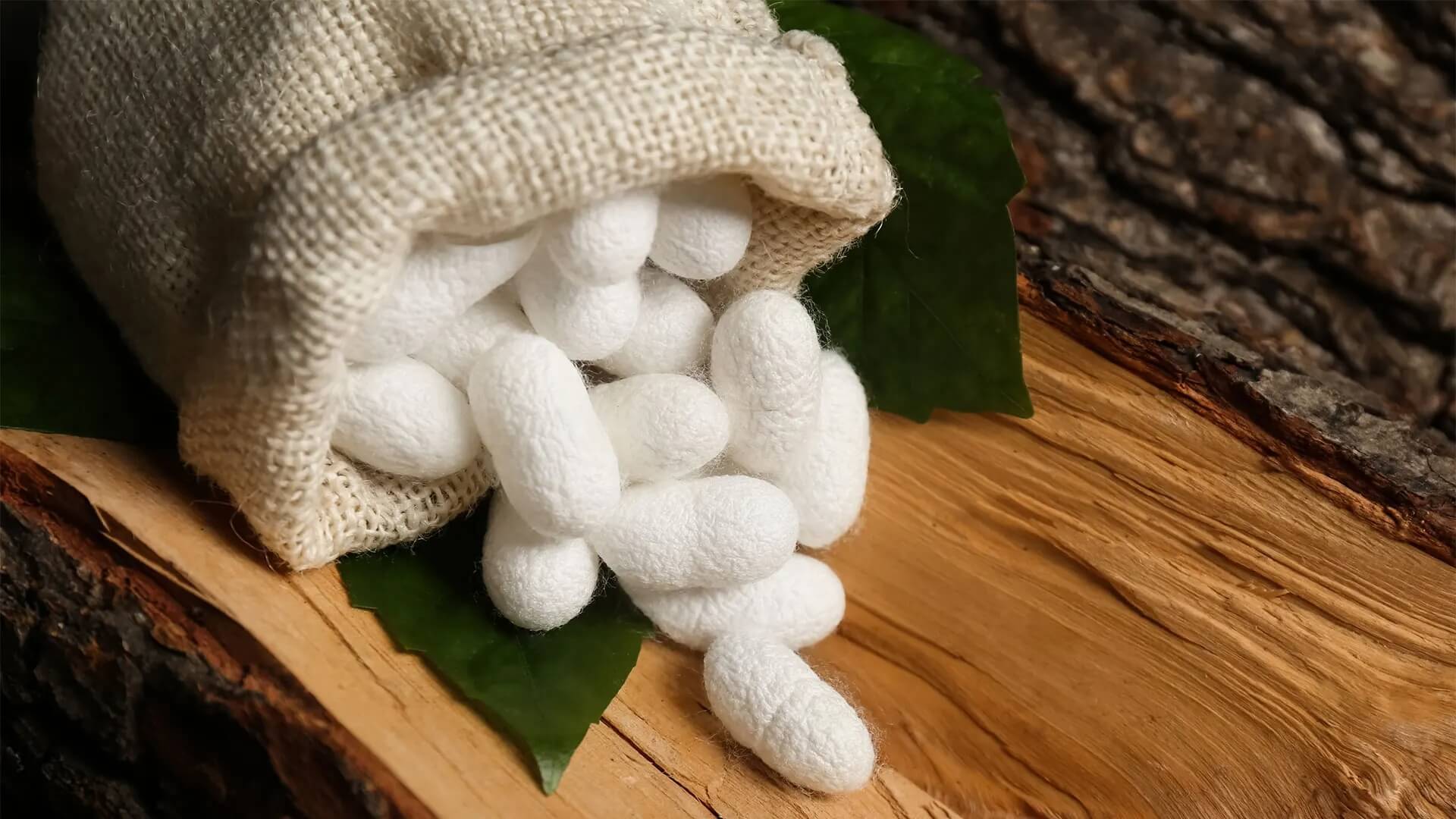
Bamboo’s raw agricultural profile is impressive: it grows up to three feet per day, requires no pesticides, and needs far less water than cotton. These facts feature prominently in every bamboo silk brochure. The plant itself is indeed a sustainability star, absorbing carbon and improving soil health. But transforming bamboo stalks into fabric is where the environmental story gets muddy.
Most bamboo silk on the market is produced via the viscose process, which uses toxic chemicals that, if not properly captured and recycled, can harm waterways and workers. The closed‑loop lyocell method (brand name TENCEL™) is a cleaner alternative but remains more expensive and less common. In contrast, mulberry silk production, while energy‑intensive due to controlled sericulture environments, uses fewer chemicals overall. Mulberry silk from Promeed’s 6A+ Mulberry Silk Bedding collection meets OEKO‑TEX Standard 100, confirming that no harmful substances remain on the fabric. [1]
The sustainability debate, therefore, comes down to the entire lifecycle: bamboo’s quick growth vs. the chemical footprint of rayon manufacturing, and traditional silk’s animal welfare concerns vs. its biodegradability and long service life. For the urban professional who values both eco‑responsibility and uncompromising quality, the choice often tilts toward a durable, high‑grade mulberry silk piece that will remain out of landfill for a decade.
At first glance, bamboo silk seems like a bargain: a queen bamboo silk sheet set might cost –, while a comparable 23‑momme mulberry silk set runs –. But cost‑per‑use tells a different story. Because bamboo silk fibers are shorter and more prone to pilling and thinning, the fabric often feels worn after 50–70 washes. Real silk, properly cared for, can maintain its luster and smoothness for 200+ washes—three times as long.
Factor in the hidden expenses of replacing worn bamboo silk sheets every 18–24 months, and the “cheaper” option can actually become more expensive over five years. On top of that, bamboo silk lacks the built‑in temperature‑regulating and moisture‑wicking properties of protein silk, which can translate into disrupted sleep and higher air‑conditioning bills. For those who see their bedding as an investment in nightly recovery, the math clearly favors genuine mulberry silk.
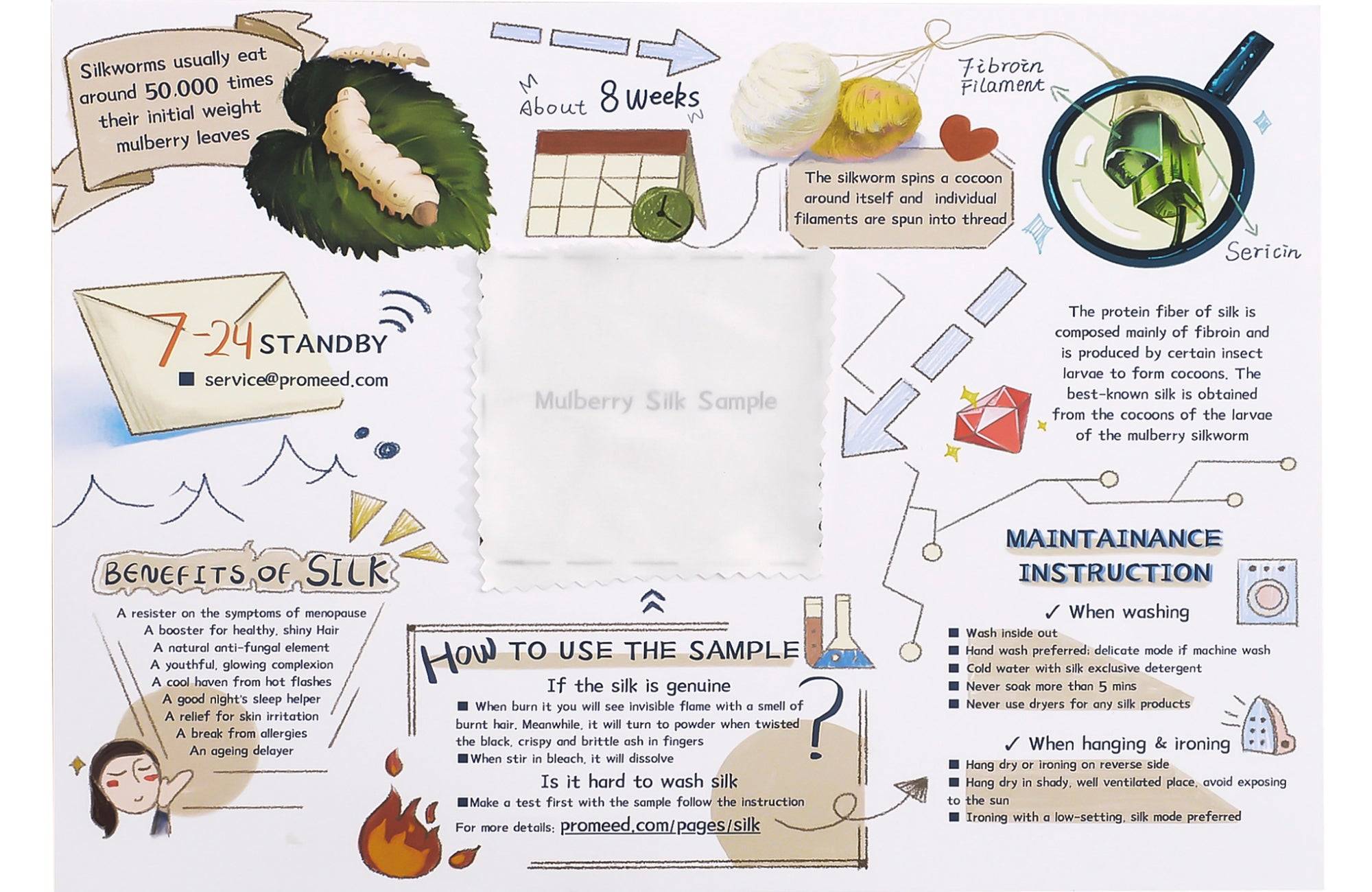
Worried you might accidentally buy bamboo silk labeled as “silk”? Use these three simple at‑home tests to verify authenticity:
These tests are especially valuable if you’re buying from an unfamiliar brand. For a worry‑free experience, choose a product like the Mulberry Silk Head Turban Hair Wrap with Hyaluronic Acid Inside, which is 23‑momme OEKO‑TEX and passes every authenticity check.
Bamboo silk is often praised for its breathability, and there is truth to the claim. The cross‑section of bamboo fiber contains tiny air gaps that can improve ventilation and wick moisture away from the skin. This can make bamboo silk sheets feel cool when you first slide into bed, a benefit that hot sleepers appreciate. However, that initial cooling effect can be short‑lived: once the fabric absorbs moisture, it tends to stay damp against the skin instead of releasing it to the air like protein silk does.
Mulberry silk, particularly at 23‑momme weight, regulates microclimate more evenly. The dense, long‑fiber weave traps a layer of insulating air that keeps you warm in cooler months and dissipates heat in summer. Many users of a high‑quality silk eye mask or pillowcase report waking up with less facial sweating and fewer crease lines. The mulberry silk sleep mask from Promeed exemplifies this breathability, helping you stay cool and comfortable all night.

Bamboo silk is a man-made cellulosic fabric produced from bamboo cellulose through processes similar to rayon or lyocell. It is not animal-derived silk but is designed to mimic the smooth feel of mulberry silk. Despite its name, bamboo silk lacks the protein structure and long-fiber durability of real silk, making it less ideal for long-term use.
Mulberry silk is superior for bedding that touches your skin and hair. It offers better durability, breathability, and moisture-wicking, lasting over 200 washes compared to bamboo silk’s 50–70. While bamboo silk has a lower upfront price, its cost-per-use is higher because it wears out faster. For a true investment in sleep quality and skin/hair health, mulberry silk, especially 23‑momme 6A+, is the better choice.
No, bamboo silk is not as good as mulberry silk for bedding. It mimics the initial smoothness but falls short in longevity, temperature regulation, and skin-friendliness. Real mulberry silk’s protein fibers naturally resist dust mites and wick moisture, while bamboo silk can feel damp and pill with regular use.
Bamboo silk can feel cool initially due to micro-gaps in the fiber, but it tends to trap moisture against the skin, leading to a clammy sensation. Mulberry silk, with its dense, long-fiber weave, actively wicks moisture away and regulates temperature for all-night comfort.
Use the burn test (real silk smells like burnt hair and leaves a crumbly ash), bleach test (real silk dissolves in bleach), and wrinkle test (real silk releases creases quickly). For authenticity, choose products labeled as 23‑momme 6A+ mulberry silk with OEKO‑TEX certification, like Promeed’s silk bedding.
Explore 6A+ Mulberry Silk Bedding
When the fit feels clear, use the next step below to review the most relevant Promeed option.
Momme Silk Meaning: 19, 22, 23 & 25 Weights Explained
Momme is the silk density unit that reveals true fabric quality—one momme equals 3.75 grams per square meter. Unlike thread count, a higher momme number directly means more silk in the cloth.Unders...
Read more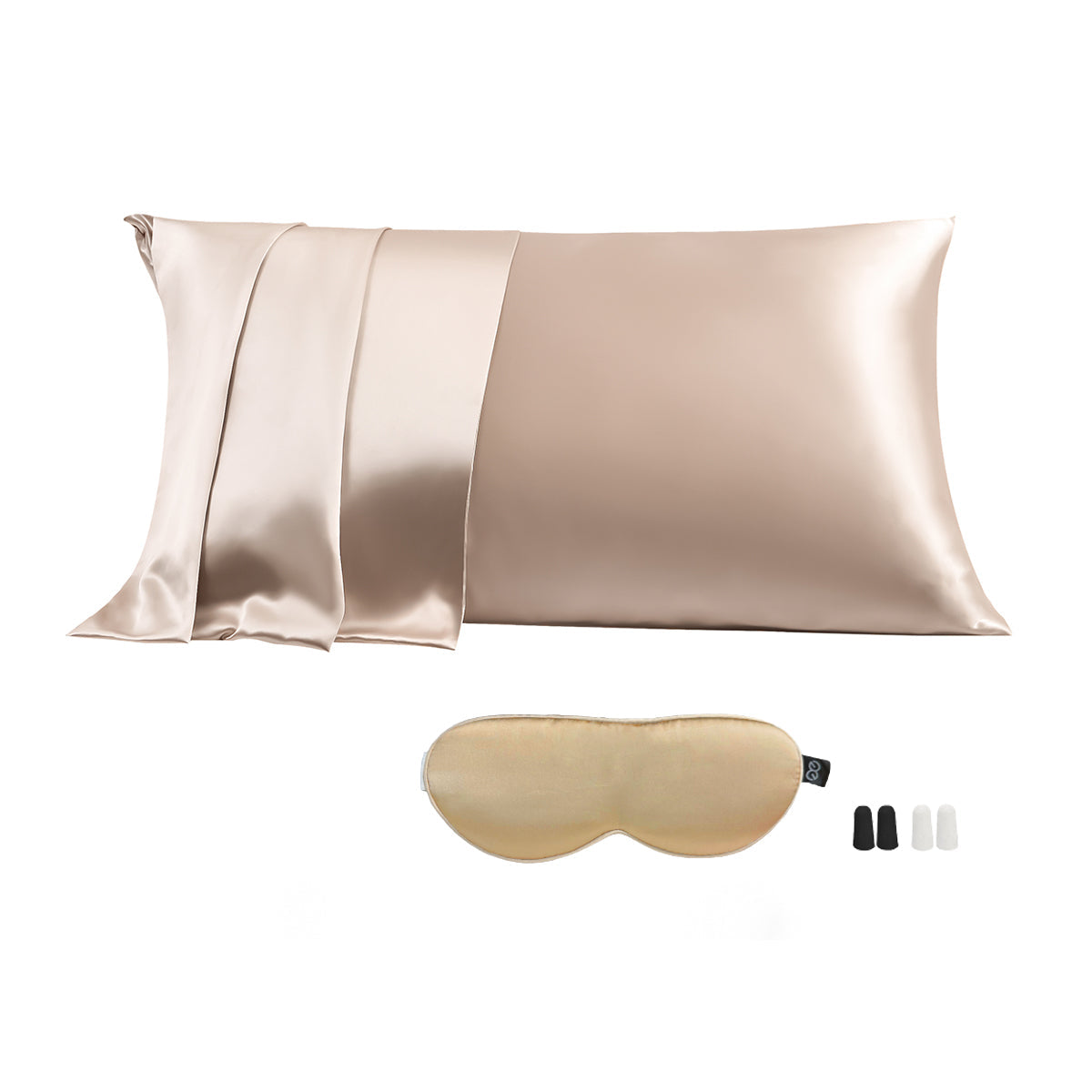
23‑Momme Silk Pillowcase: Skin Benefits & Care | Promeed
Waking up with sleep creases and dehydrated skin? A 23‑momme mulberry silk pillowcase helps your skincare work harder overnight. Promeed editor Adline Keth shares why pure silk’s protein structure,...
Read more
Leave a comment
This site is protected by hCaptcha and the hCaptcha Privacy Policy and Terms of Service apply.