
Spring Sale! Upto 50% Off!
Crisp and cool or silky and smooth? The weave of your sheets determines more than just feel—it affects breathability, durability, and how well you sleep. Here's how to choose.
Last updated: · By: Kelly Eleanor
For readers comparing Percale vs Sateen Weaves: Key Differences in Breathability, Texture & Durability, these supporting resources add more context: 100% Mulberry Silk Head Turban Hair Wrap with Hyaluronic Ac…; 30mm Mulberry Silk Series; Bamboo Sheets vs Silk Sheets: Which Are Better?.
Use this section to connect the main question around Percale vs Sateen Weaves: Key Differences in Breathability, Texture & Durability with the practical criteria already covered in the article.
Compare materials, fit, care needs, and the linked product or collection resources before moving from research to purchase.

When you run your hand across a set of bed sheets, that first touch tells you everything—or does it? The difference between percale and sateen weaves goes far beyond surface feel. It determines how the fabric breathes, how it wears after dozens of washes, and whether you wake up cool or clammy. For the urban professional who values both performance and luxury, understanding weave construction is the first step toward building a sleep sanctuary that truly works. After testing both weaves for a month, our team found that percale kept us cool during summer nights, while sateen added a touch of luxury in winter.
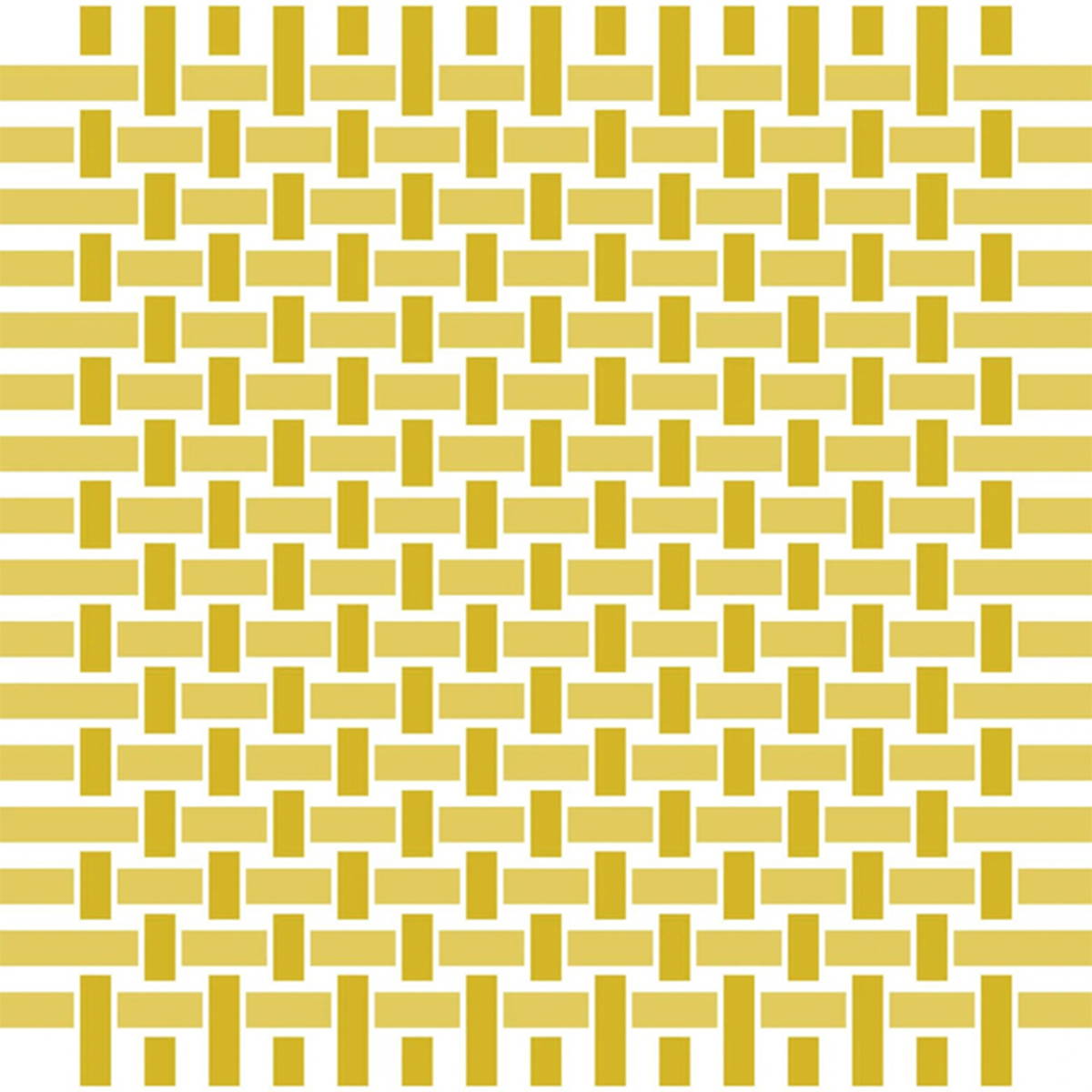
Before diving into percale versus sateen, it helps to understand what a weave actually is. In textile manufacturing, a weave is the pattern in which warp (vertical) and weft (horizontal) yarns interlace. This pattern determines the fabric's hand feel, drape, breathability, and durability. The two most common weaves for bed sheets are plain weave (percale) and sateen weave. Each creates a dramatically different sleeping experience.
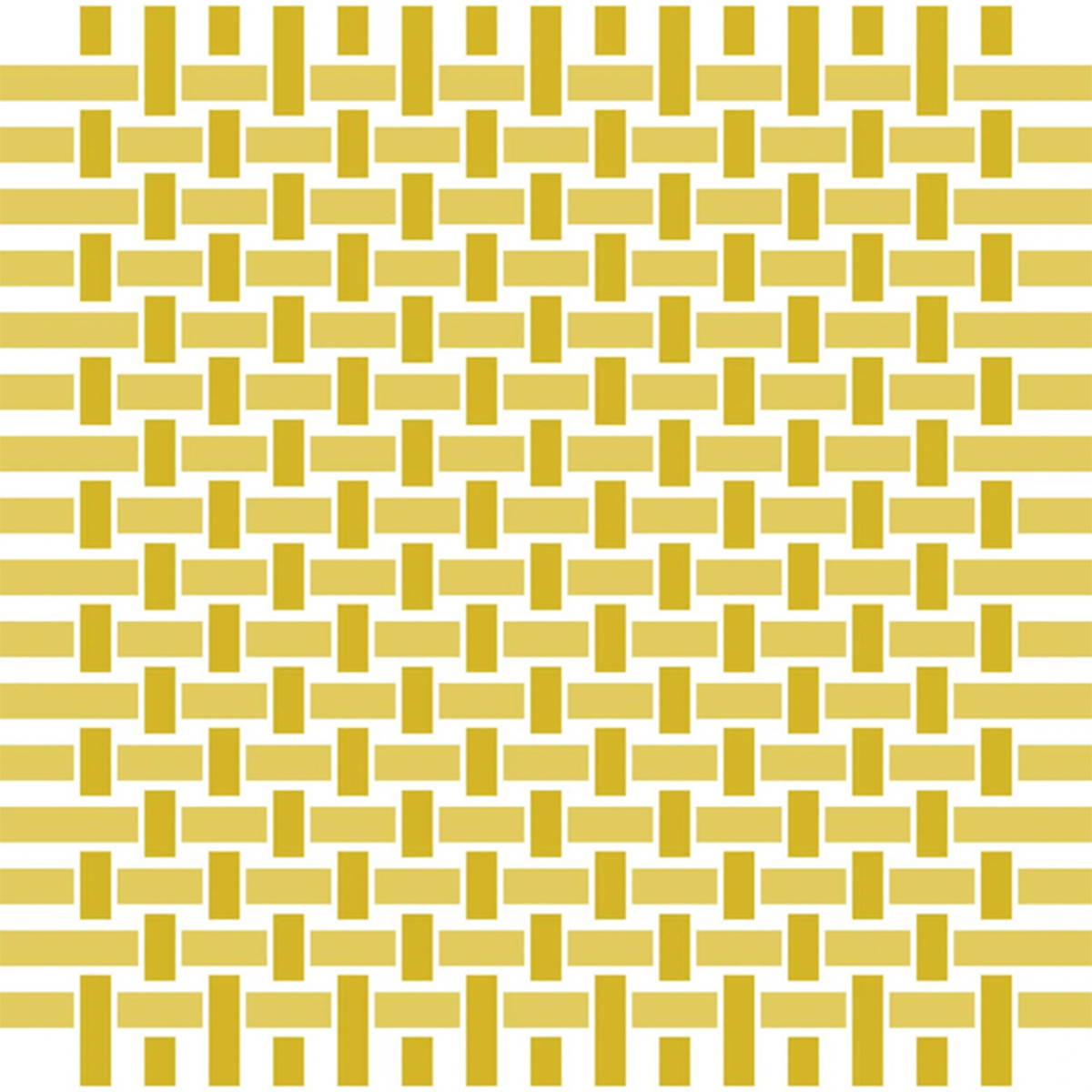
Percale is a plain weave—the simplest and oldest weaving pattern. Each weft yarn passes over and under every warp yarn in a tight, balanced grid. This one-over-one-under construction creates a fabric that is matte, crisp, and exceptionally breathable.
Because the yarns cross so frequently, percale has a dense, stable structure. The fabric feels cool to the touch and has a slight stiffness—often described as "crisp" or "starched" even without starch. It does not drape as fluidly as sateen; instead, it holds its shape and produces sharper creases. This makes percale sheets feel fresh and hotel-like, especially after ironing.
Percale's tight but open weave allows air to circulate freely. For hot sleepers or those living in humid climates, this is a game-changer. The fabric wicks moisture away from the body and dries quickly, preventing that sticky, overheated feeling. In fact, bedding experts consistently identify percale as the most breathable weave available. If you tend to kick off covers at night, percale sheets can help maintain a comfortable microclimate. For hot sleepers, percale's breathability is unmatched. Learn more in our guide to Best Sheet Materials for Hot Sleepers.
The balanced construction of percale makes it highly durable. With proper care—washing in cold water and tumble drying on low—percale sheets can last for years without pilling or losing their structure. They do wrinkle more than sateen, but many sleepers consider that a small trade-off for the crisp, clean feel. For those who prefer a low-maintenance option, a sateen weave might be more forgiving.
Sateen uses a different construction: a weft-faced weave where the weft yarns float over multiple warp yarns before going under one. This creates a surface with more exposed yarns, resulting in a smooth, lustrous finish that feels like satin against the skin. For a truly indulgent experience, consider a 100% Mulberry Silk Cushion Pillow Case from Promeed.
The floating yarns in sateen reduce friction, giving the fabric a silky glide. Sateen sheets have a subtle sheen that catches the light, making the bed look more luxurious. The fabric drapes softly, following the contours of the mattress and body. It feels warmer to the touch than percale because the denser surface traps more body heat.
Because sateen's surface is more closed, it is less breathable than percale. This makes it a better choice for cooler climates or for sleepers who tend to feel cold at night. Some high-end sateen sheets incorporate temperature-regulating technologies or natural fibers like eucalyptus to improve airflow, but the weave itself is inherently warmer.
Sateen's floating yarns are more susceptible to abrasion and pilling over time, especially if the thread count is very high (above 600) and the yarns are twisted tightly. However, a well-made sateen sheet with a moderate thread count (300–400) can be quite durable. Sateen wrinkles less than percale, making it a favorite for those who want a neat-looking bed with minimal effort. Always wash sateen sheets on a gentle cycle and avoid high heat to preserve the luster.
| Feature | Percale | Sateen |
|---|---|---|
| Weave Type | Plain weave (one-over-one-under) | Sateen weave (weft floats over multiple warps) |
| Texture | Crisp, matte, slightly stiff | Smooth, silky, lustrous |
| Breathability | High—excellent for hot sleepers | Moderate—better for cool sleepers |
| Durability | Very durable, resists pilling | Moderate; can pill if high thread count |
| Wrinkle Resistance | Wrinkles more | Wrinkles less |
| Best For | Hot sleepers, humid climates, crisp feel | Luxury look, soft feel, cooler climates |
Many shoppers fixate on thread count, but weave is actually more important for determining feel and performance. A 400-thread-count percale sheet can feel completely different from a 400-thread-count sateen. Moreover, thread counts above 600 are often achieved by using multi-ply yarns or twisting multiple strands together, which can actually reduce breathability and durability. Instead of chasing numbers, focus on the weave and the quality of the raw material. For example, 23mm 6A+ Mulberry Silk Bedding from Promeed uses long-staple fibers that naturally resist pilling and maintain their luster for years.
Your choice ultimately depends on your sleep style and personal preference. Ask yourself:
For those who want the best of both worlds, consider a bed sheets collection that offers both weaves so you can switch with the seasons. And if you're curious about how silk compares to cotton weaves, our guide on Bed Sheet Materials & Weaves: The Anatomy of Comfort Guide dives deeper into the science of sleep fabrics.
While percale and sateen are cotton weaves, mulberry silk offers a completely different experience. Silk is a natural protein fiber with a triangular prism structure that refracts light, giving it a subtle shimmer. It is naturally temperature-regulating, hypoallergenic, and gentle on hair and skin. At Promeed, our 23-momme mulberry silk bedding combines the breathability of percale with the smoothness of sateen—without the wrinkles. For those who want the ultimate in luxury and performance, silk is a worthy investment. Learn more about what to look for when buying high-quality sheets.
Percale is generally more durable because its balanced plain weave distributes wear evenly. Sateen's floating yarns are more prone to abrasion and pilling, especially at very high thread counts. However, a well-made sateen with moderate thread count (300-400) can still last for years with proper care.
Absolutely. Many people use percale fitted sheets for breathability and sateen flat sheets or pillowcases for a softer feel. Mixing weaves allows you to customize your sleep experience. For a truly luxurious touch, pair your cotton sheets with a 100% Mulberry Silk Cushion Pillow Case for overnight skincare and hair protection.
Yes. Percale sheets often become softer with each wash while retaining their crispness. Sateen sheets may lose some of their initial luster over time if not washed gently. Always use a mild detergent and avoid fabric softeners, which can coat the fibers and reduce breathability.
Ready to experience the ultimate in sleep comfort? Explore Promeed's 23mm 6A+ Mulberry Silk Bedding collection and transform your nights.
Promeed readers are usually comparing comfort, material quality, care effort, and long-term value before choosing silk bedding. Use this guide as a practical decision path: match the fabric to your sleep priorities, then check whether the care routine fits your household.
For shoppers leaning toward mulberry silk, focus on smooth hand feel, momme weight, gentle washing, and daily friction against hair and skin. Those details keep the article grounded in Promeed’s silk bedding expertise without turning the comparison into a generic fabric overview.
If these criteria match what you need, use the next step below to compare materials, care details, and available options.
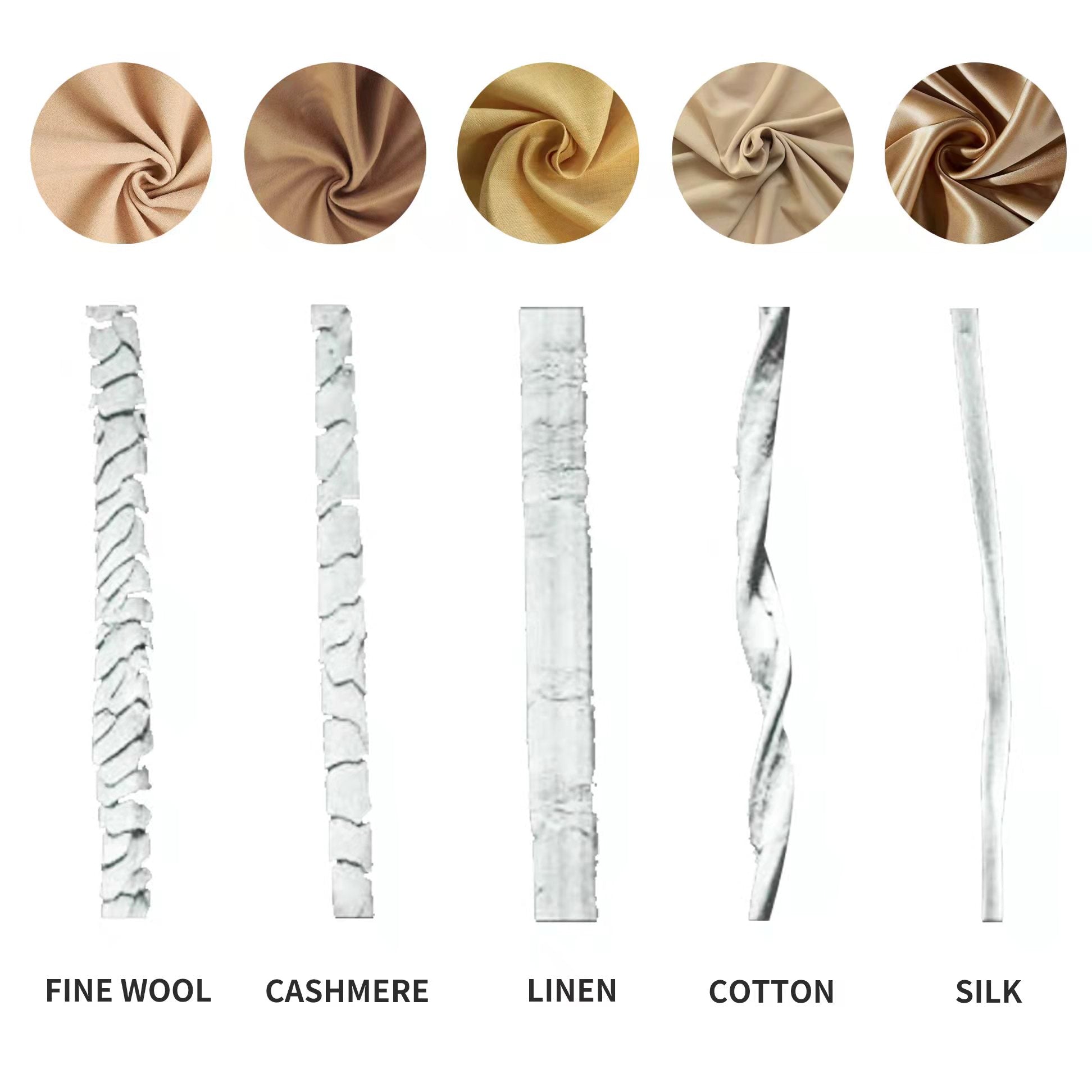
Linen vs Silk vs Cotton Durability: Which Fabric Lasts Longest?
Based on the sources, linen is considered the most durable of the three materials, while the durability of cotton depends heavily on its fiber length and thread count. Silk is categorized as the ul...
閱讀更多
What to Look for When Buying High-Quality Sheets: A Complete Guide
When buying high-quality sheets, you should focus on several key factors identified by bedding experts: material, thread count, weave, and technology.
閱讀更多
留言
此網站已受到 hCaptcha 保護,且適用 hCaptcha 隱私政策以及服務條款。