
Spring Sale! Upto 50% Off!

Don't let the wrong cycle ruin your 23‑momme silk pillowcase. Even one hot wash can dull the sheen and weaken the fibers. Here's the exact machine setting that keeps your...
Last updated: · By: Adline Keth
Don't let the wrong cycle ruin your 23‑momme silk pillowcase. Even one hot wash can dull the sheen and weaken the fibers. Here's the exact machine setting that keeps your pillowcase hotel‑smooth, wash after wash.

Quick answer: Use the delicate or hand wash cycle with cold water (below 86°F / 30°C). This low‑agitation setting protects the protein fibers of your 23‑momme mulberry silk pillowcase, preserving its softness and the skin/hair benefits you rely on.
Silk is a protein fiber, similar to human hair. Exposure to excessive heat, aggressive spinning, or harsh chemicals can cause it to lose luster, become brittle, or pill. A standard cycle with hot water and high‑speed tumbling can weaken silk fibers, leading to a loss of sheen and a rough texture. For our 23‑momme 6A mulberry silk pillowcases, which use long‑strand fibers for smoothness, using the right cycle helps preserve the pillowcase and the benefits it provides for your skin and hair.
Most washing machines offer cycles such as Normal, Heavy Duty, Permanent Press, Delicate, Hand Wash, and sometimes a “Silk” or “Wool” cycle. They differ in water temperature, agitation, and spin speed. Matching your machine’s gentlest setting to silk’s needs is key. If you live in a city, your pillowcase can pick up not just skin oils but also fine particulate pollution, so regular washing matters—but only when done correctly. The wrong cycle can create friction that diminishes the smooth surface silk is meant to provide.
Silk’s natural protein structure is sensitive to mechanical stress. Without the proper cycle, the fabric can suffer permanent damage—just like a delicate cashmere sweater can’t handle a heavy‑duty load. A 23‑momme pillowcase deserves gentle treatment to last. This means prioritizing low agitation, cold water, and a short spin to avoid micron‑level fiber cracks that lead to pilling and a dull appearance over time.
So, what washing machine cycle should you use for silk pillowcases? The short answer: Delicate or Hand Wash cycle. These cycles use low agitation and a slow spin speed, which minimizes friction and stress on the silk fibers. If your machine has a dedicated “Silk” or “Wool” cycle, that’s even better, as it’s calibrated for protein‑based fabrics. Always pair it with cold water (below 86°F / 30°C) to prevent the fibers from swelling and losing shape. Here’s a quick breakdown of what to look for when selecting your cycle:
If you’re using a top‑loader with a central agitator, take care—some agitators can be rough on silk. Place your pillowcase inside a mesh laundry bag (like the one included with our 23mm silk pillowcase with zipper and laundry bag) for an added layer of protection. This can help reduce friction and may extend the life of your pillowcase.
To help you visualize, here’s a quick comparison of common washing machine cycles and their compatibility with silk:
| Cycle | Agitation | Spin Speed | Suitable for Silk? |
|---|---|---|---|
| Normal / Cotton | High | High (1000+ RPM) | No – causes fiber stress |
| Permanent Press | Medium | Medium | No – too much friction |
| Delicate | Low | Low (400‑600 RPM) | Yes – ideal |
| Hand Wash | Very Low | Very Low | Yes – best for luxury silk |
| Quick / Express | Medium | Medium‑High | Acceptable if shortest, coldest |
Even the best cycle can’t make up for a harsh detergent. Many standard detergents include enzymes, brighteners, or bleach designed to break down protein‑based stains—and silk is a protein fiber. Over time, these ingredients can weaken the fabric. For anyone with sensitive skin, detergent residues can also cause irritation or clog pores, making a gentle, rinsable formula important.
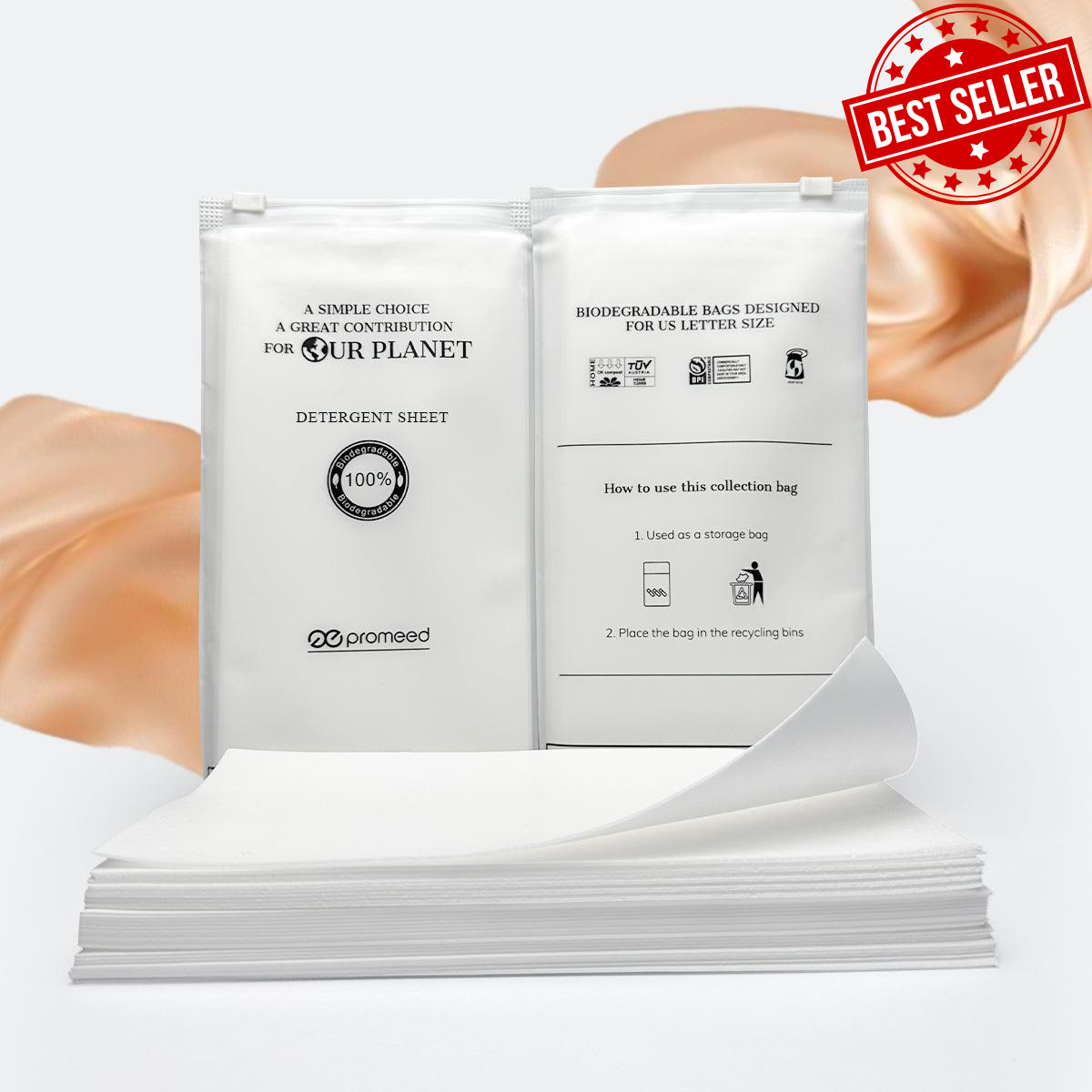
Our Silk Laundry Detergent Sheets are formulated to be free of enzymes, optical brighteners, and irritating dyes. They are pH‑neutral and dissolve completely in cold water, which helps avoid residue that could affect the fabric or your skin. Each package has 20 pre‑measured sheets, enough for up to 60 loads, offering a convenient alternative to liquid detergents. For a detailed look at ingredient choices, see our complete buyer’s guide to silk‑friendly detergents.
During our product development, we washed dozens of 23‑momme pillowcase samples across multiple cycle‑and‑detergent combinations. The delicate cycle with cold water and our pH‑neutral detergent sheets consistently produced the best results—retaining colour vibrancy and a smooth hand feel even after 50+ washes. This confirmed that choosing the right cycle and detergent together is essential for long‑term care.
These sheets are also compact and travel‑friendly, making them easy to pack without the risk of spills. The pre‑measured format simplifies laundry, eliminating measuring cups and guesswork. They’re biodegradable, adding an eco‑conscious touch.

Follow these steps to keep your Promeed 23‑momme mulberry silk pillowcase looking its best. This method is designed for gentle, effective cleaning.
A quick note on load size: never crowd the drum. Silk needs room to move gently. If you’re washing multiple silk items, stick to two or three pillowcases max, and always in individual mesh bags.
High heat can damage silk, so avoid the dryer. Instead, gently press the pillowcase between two clean towels to remove excess water, then hang or lay it flat to air‑dry, away from direct sunlight. Sunlight can fade the fabric and weaken the fibers, so a well‑ventilated indoor spot is ideal.
For a quick refresh, a light steam on a cool setting may help smooth out light wrinkles. Our 5‑minute silk care guide suggests washing pillowcases every 7–10 days with nightly use, or more frequently in high‑pollution areas. The goal is to cleanse gently, so don’t let a pillowcase go longer than two weeks without washing.
Many people choose silk for its beauty benefits: fewer sleep creases, less hair breakage, and better moisture retention. But a dirty pillowcase can counteract those benefits. At the same time, aggressive washing with the wrong cycle and detergent can roughen the surface and increase friction. Using a delicate cycle with a silk‑friendly detergent cleans effectively while preserving the smooth texture that helps protect your hair and skin.
Our OEKO‑TEX® certified 23‑momme mulberry silk is naturally hypoallergenic and temperature‑regulating. Proper care helps it remain effective over time. Promeed's approach is to make silk care straightforward. Our detergent sheets simplify the process, giving you a clear, cold‑water‑safe method that respects the fabric’s protein structure.
We don't recommend it. Zippers, buttons, and even cotton fibers can cause pilling. Wash silk only with other silk or delicate items, and always in a mesh bag.
The “Hand Wash” cycle is essentially the same. If neither is available, choose the shortest, coldest cycle with the lowest spin—often “Express” or “Quick” wash—but know it's less gentle. In this case, the mesh bag becomes even more critical.
Hard water can leave mineral deposits that dull the silk's luster. Our detergent sheets contain water softeners to combat this, but if you live in an area with extremely hard water, consider adding a water softener to your laundry routine or using distilled water for rinsing.
Absolutely not. Fabric softeners coat silk fibers, reducing breathability and attracting dirt. They can also cause yellowing over time.
The right cycle for silk pillowcases is simple: a delicate setting, cold water, and a gentle detergent. Following these guidelines can help extend the life of your 23‑momme mulberry silk pillowcase, so you continue to enjoy its benefits. Ready to streamline your silk care? Browse our 23mm Silk Pillowcase with Zipper & Laundry Bag for the perfect start, or keep a spare with the 2‑Pack Silk Pillowcases. Then add a pack of Silk Laundry Detergent Sheets to your routine.
When the fit feels clear, use the next step below to review the most relevant Promeed option.
See the recommended 23mm 6A+ 100% Mulberry Silk Pillowcase With Zipper With Laundry Bag
What Washing Machine Cycle Should I Use for Silk Pillowcases?
What washing machine cycle should you use for silk pillowcases? The safe answer is a delicate or hand wash cycle with cold water. Our guide covers the exact settings, a comparison of machine cycles...
Weiterlesen
Hypoallergenic 23-Momme Silk for Infant Eczema | Promeed
For babies struggling with eczema, every fabric matters. Promeed’s 23‑momme 100% mulberry silk crib sleeve creates a friction‑free, hypoallergenic sleep surface that stays cool and dry—key factors ...
Weiterlesen
Hinterlasse einen Kommentar
Diese Website ist durch hCaptcha geschützt und es gelten die allgemeinen Geschäftsbedingungen und Datenschutzbestimmungen von hCaptcha.