
Spring Sale! Upto 50% Off!
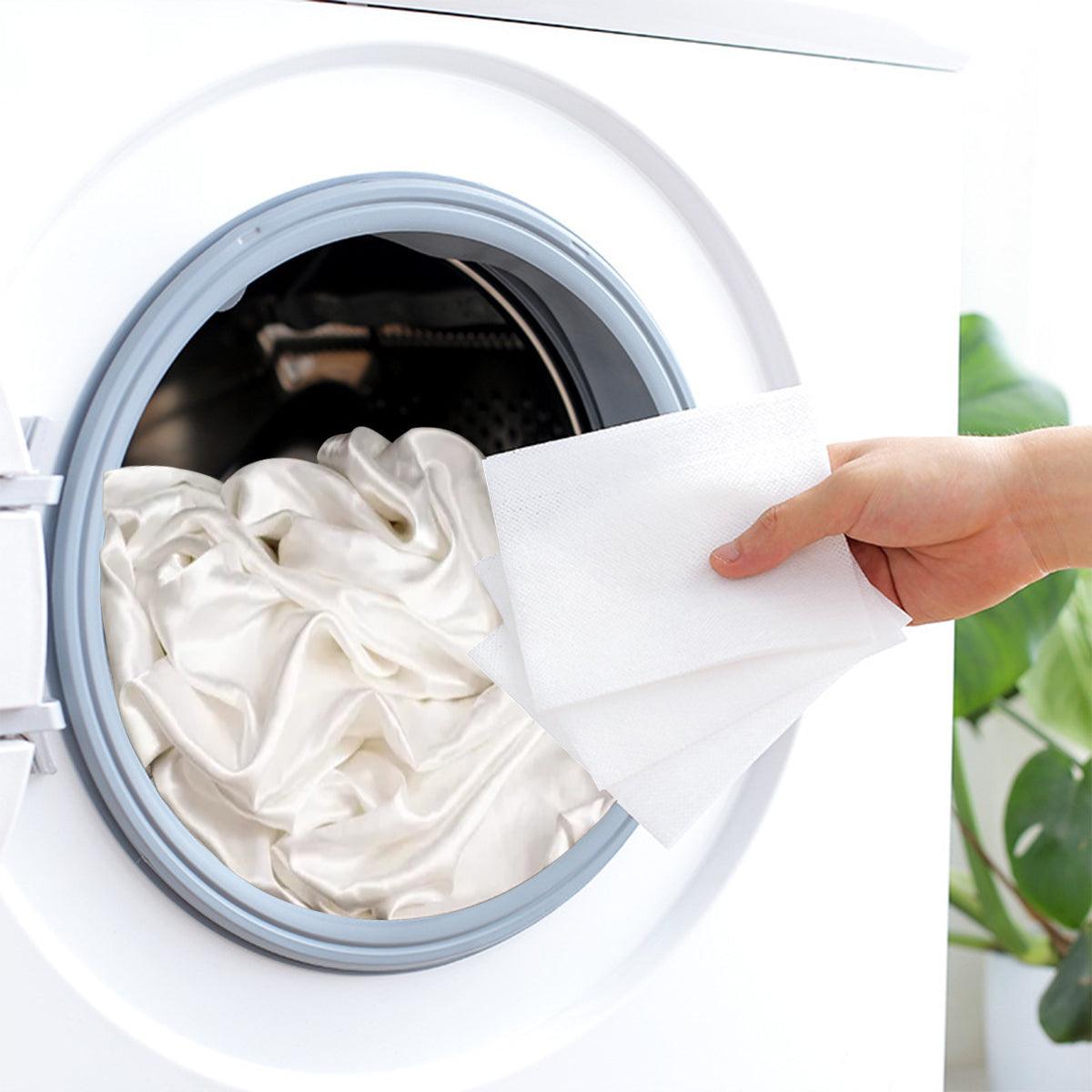
One wrong detergent wash can permanently strip silk's luster. Compare the 23mm pillowcase that comes with its own laundry bag for product details. Discover the hidden pH and enzyme chemistry, 5 visible damage signs, and a travel-ready sheet swap that keeps your...
Last updated: · By: Adline Keth

Quick answer: Regular laundry detergent can permanently damage silk because its alkaline pH (10–11) and protease enzymes attack protein fibers, causing dullness, roughness, fading, and tears. Compare the Discover the Pillowcase with Built-in Laundry Bag for product details. Switching to a pH-neutral, enzyme-free detergent like Promeed’s pre-measured sheets preserves your silk’s softness and luster without measuring or mess.
Picture this: you’ve just returned from a long day in the city, and you sink into your 23-momme silk pillowcase. The cool, smooth surface feels like a reset button for your skin and mood. But when laundry day arrives, you hesitate—can you grab the same detergent you use on towels? The short answer is no, and the reasons are rooted in chemistry. This guide explains exactly what happens when silk meets regular detergent, and introduces a smarter, travel-friendly solution that keeps your silk as luminous as the day you bought it—whether you’re at home or on the go.
Silk’s delicate protein structure makes it uniquely vulnerable. In our own laundry trials, we noticed that even so-called gentle liquids left subtle residues that dulled the surface after just a few cycles. That’s why we’re sharing what we learned—so you don’t have to learn the hard way.
Silk is a protein fiber, composed mainly of fibroin and coated in a natural gum called sericin. This unique structure gives silk its incomparable smoothness, thermoregulating abilities, and hypoallergenic properties. However, these same qualities make silk vulnerable to the aggressive formulas found in most regular laundry detergents.
Standard detergents are typically engineered to remove tough stains from cotton and synthetics. They often contain enzymes—like protease—that break down protein-based substances. But on silk, those same enzymes can attack the fiber itself, gradually weakening the structure that makes your bedding so luxurious. Over time, you may notice the fabric losing its signature softness and becoming rough to the touch.
Beyond enzymes, regular detergents are highly alkaline, with pH levels often ranging between 10 and 11. Silk, in contrast, thrives in a pH-neutral environment (around 6 to 7). This alkaline environment can strip the natural protective layer, leaving fibers brittle and more susceptible to damage. It's similar to using a harsh cleanser on your face—it might remove the day's grime, but can also disrupt the skin's barrier.
In a city apartment, where air quality can be a concern, silk's smooth surface helps it stay fresh. However, when alkaline residue roughens the fibers, it may trap more dirt, leading to more frequent washing and accelerated wear. For a deeper dive into what makes a detergent silk-safe, see our guide to the best detergents for mulberry silk.
If you've accidentally washed your silk with regular detergent, the damage may not be immediate, but it will accumulate. Here's what to look for—and why it's critical to switch to a gentle alternative before your investment is compromised.
Alkaline detergents degrade sericin, flattening silk's light-reflective finish.
Enzymes can roughen the fiber surface, increasing friction and frizz.
Harsh chemicals strip dye vibrancy, leaving rich hues looking washed-out.
Alkaline pH and warm water can cause fibers to contract unevenly, distorting fit.
Protein breakdown reduces tensile strength, causing thinning and seam holes.
If you notice any of these signs, don’t worry—while fiber damage cannot be reversed, you can stop further deterioration immediately by switching to a pH-neutral, enzyme-free detergent like our pre-measured sheets. For a deeper comparison, see our guide to the best detergents for mulberry silk.


To understand the risk, let's look at pH. Silk fibers have an isoelectric point around pH 4.5–5.5. In a neutral-to-slightly-acidic environment, the fiber surface carries a balanced charge that keeps cuticles smooth and light-reflective. However, exposure to a high-pH solution, typical of regular laundry detergents, can cause the fiber to swell and cuticles to lift. This process, called alkaline hydrolysis, can permanently roughen the surface, dull the shine, and weaken the molecular chains.
In simpler terms, each alkaline wash can gradually wear away silk's smooth finish, much like sanding wood. That's why we formulated our detergent sheets to maintain a gentle, pH-neutral clean. They dissolve completely, leaving no residue that could clog the weave. If you've ever thought silk was high maintenance, discover just how simple caring for silk can be when you have the right tools.
We created our Silk Laundry Detergent Sheets as an alternative to many “silk-safe” liquids that still contain fillers and unnecessary additives. Each pack contains 20 pre-measured sheets—enough for up to 60 loads of laundry. Whether you're hand-washing a silk camisole in a hotel sink or running a delicate machine cycle at home, one sheet does the job without measuring, spills, or plastic waste.
During our search for a better solution, we washed our own 23mm pillowcases with several “gentle” liquids and were surprised to find them losing softness after just a few cycles. That’s why we engineered these sheets to be residue-free and pH-balanced—proven on our own bedding after six months of weekly washes.

Comparison at a glance:
| Feature | Regular Detergent | Promeed Sheets |
|---|---|---|
| pH Level | 10–11 (alkaline) | pH-neutral (~7) |
| Enzymes | Often contains protease | Enzyme-free |
| Fiber Protection | Degrades protein fibers | Preserves silk structure |
| Residue | May leave alkaline film | Dissolves completely, no residue |
| Portability | Bulky liquid jugs | Slim, travel-safe sheets |
In our tests, switching from a standard detergent to our pH-neutral sheets kept a charcoal silk pillowcase vibrant through over 40 washes—no fading, no scratchy texture. The result: your silk stays as soft and luminous as the day you bought it.
Ready to rescue your silk from harsh chemicals? Follow this simple, five-minute ritual to keep your pillowcases and sheets in pristine condition. For even more details on detergent selection, visit our best silk detergent guide.
For extra reassurance, stock up on our 23mm 6A+ zipper silk pillowcases 2-pack so you always have a fresh set ready while the other is washing. Rotation extends the life of each piece.
Always wash silk items separately from rough fabrics like denim, towels, or items with zippers to prevent abrasion and snagging. Delicate synthetics like nylon or acetate can sometimes be washed together if they are similar in weight and color, but for maximum protection, wash silk alone or with other silk items.
Yes—one full sheet is designed for a standard load (up to a queen-size duvet cover). For larger or heavily soiled loads, you can use an extra third of a sheet. The sheets dissolve completely in cold water, leaving no residue.
Absolutely. Tear off one-third of a sheet and agitate it in a basin of cold water until dissolved, then submerge your silk. Soak for a few minutes, rinse gently, and lay flat to dry—perfect for travel or delicate items.
You now know the chemistry, the warning signs, and the simple solution. Whether you're at home or on the road, Promeed's detergent sheets and smart accessories make silk care effortless.
Discover the 23mm Pillowcase with Built-in Laundry Bag
When the fit feels clear, use the next step below to review the most relevant Promeed option.
See the recommended 23mm 6A+ Zipper Mulberry Silk Pillowcases 2 Pack Mixed Colors
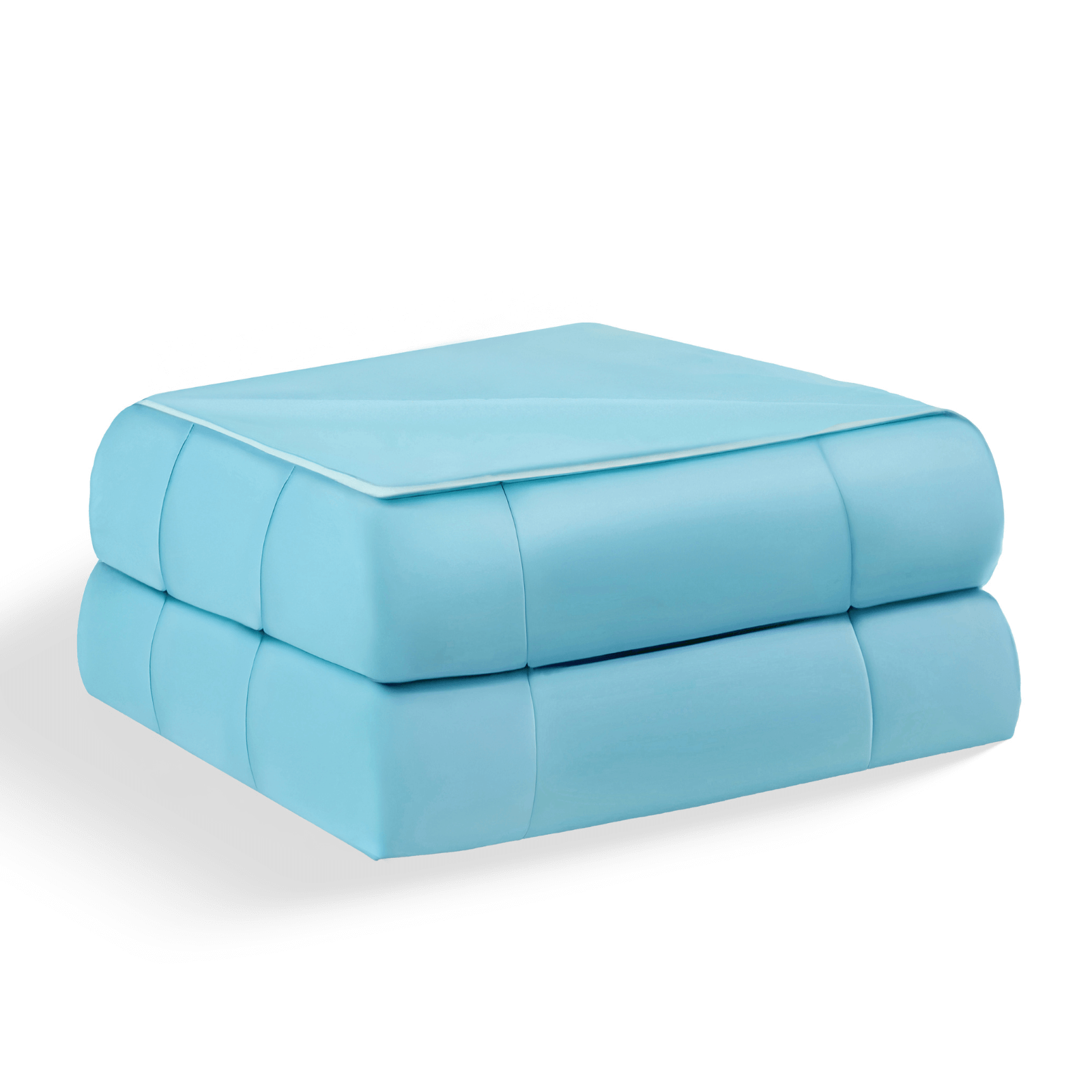
Best Cooling Comforter for Hot Sleepers 2026: CoolRest™
Stop waking up drenched. Promeed's CoolRest™ Double Cooling Comforter is our top pick for the best cooling comforter for hot sleepers in 2026—featuring Q-max ≥0.4 cool-touch fabric and moisture-wic...
Weiterlesen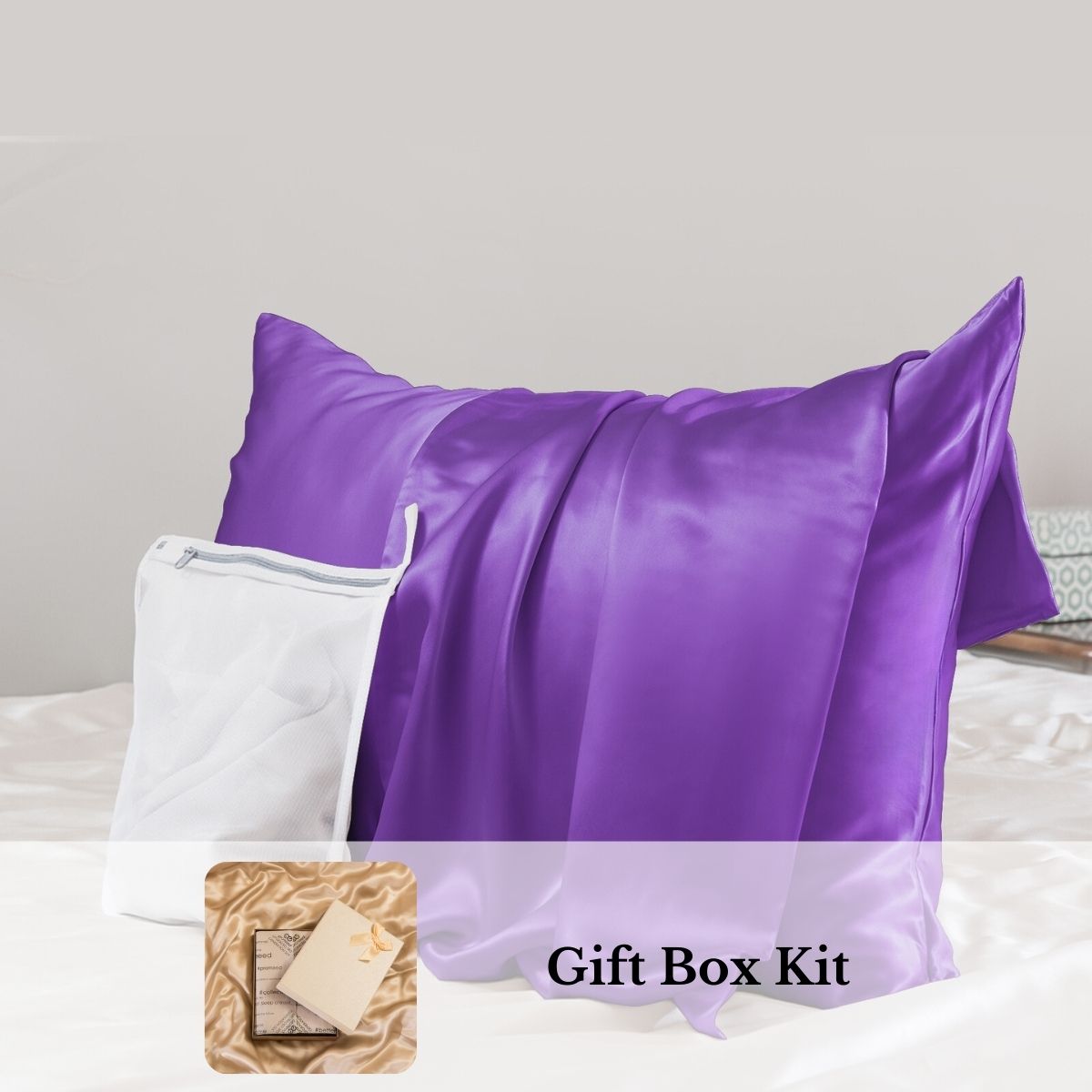
How to Prevent Baby Bald Spot on Back of Head | 23‑Momme Silk
Seeing a bald spot on your baby's head can be alarming, but it’s usually temporary hair loss from friction with a standard crib sheet. Learn how switching to a 23‑momme mulberry silk crib or bassin...
Weiterlesen
Hinterlasse einen Kommentar
Diese Website ist durch hCaptcha geschützt und es gelten die allgemeinen Geschäftsbedingungen und Datenschutzbestimmungen von hCaptcha.