
Spring Sale! Upto 50% Off!
Stop overpaying for marketing gimmicks. Learn the 5 real secrets to choosing bed sheets that deliver genuine comfort, durability, and luxury.
Last updated: · By: Kelly Eleanor
For readers comparing Beyond Thread Count: 5 Surprising Secrets to Picking the Perfect Bed Sheets, these resources directly support the sheet-material sections below.
For readers comparing Beyond Thread Count: 5 Surprising Secrets to Picking the Perfect Bed Sheets, these supporting resources add more context: Silk Bedding Care-Silk Laundry Detergent Sheets 20 Pieces 6…; Mulberry Silk Fitted Sheets; The Thread Count Myth and 4 Other Secrets to Buying Bed She….
Beyond Thread Count: 5 Surprising Secrets to Picking the Perfect Bed Sheets is best for shoppers comparing comfort, care needs, and everyday use before choosing the right Promeed product.
Start with the benefit that matters most, then use the linked product and collection resources above to confirm materials, fit, and care details.
Use this section to connect the main question around Beyond Thread Count: 5 Surprising Secrets to Picking the Perfect Bed Sheets with the practical criteria already covered in the article.
Compare materials, fit, care needs, and the linked product or collection resources before moving from research to purchase.

Investing in a new set of bed sheets should be a simple luxury, yet the modern bedding market is a dense thicket of misleading nomenclature and inflated price tags. From "miracle" cooling fabrics to astronomical thread counts that defy the laws of textile architecture, consumers are often lured into overpaying for marketing fiction.
To dismantle these myths, I consulted with Lea Wang, a 20-year veteran of the bedding industry whose family has manufactured textiles for the largest premium retailers in the United States. Wang possesses the kind of "insider" perspective that big-box brands would prefer remained behind the factory doors. By shifting our focus from marketing buzzwords to material science, we can identify linens that offer genuine tactile excellence and generational longevity.
--------------------------------------------------------------------------------
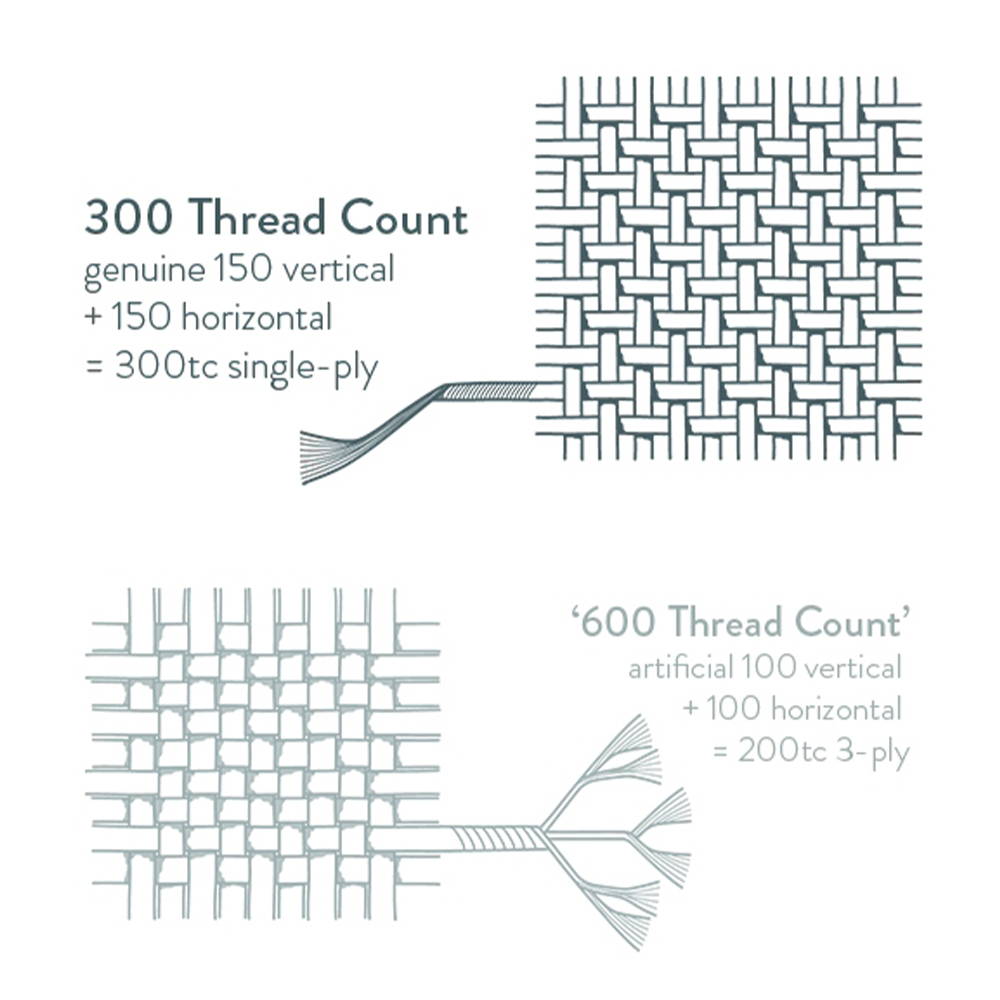
Thread count—the number of individual yarns woven into a single square inch—is perhaps the most exploited metric in the industry. While a higher count generally implies a denser weave with fewer gaps, resulting in a "liquid" or "lotion-like" hand-feel, there is a definitive threshold where quality plateaus and marketing takes over.
According to Wang, the optimal "sweet spot" for comfort and durability sits between 300 and 400. Once you cross this line, the numbers often reflect deceptive manufacturing tactics rather than a better night's sleep.
"The simple rule of thumb is you want a higher thread count but up until a certain point it's probably not worth paying extra for... anything above 600 or 700 is probably a bit of a marketing gimmick."
The Pro's Breath Test: To verify the integrity of a sheet's breathability, hold the fabric up to your mouth and attempt to breathe through it. If the air flows through without impediment, the textile architecture allows for proper thermoregulation. High-thread-count "gimmick" sheets often fail this test, as they are packed so tightly that air cannot circulate, effectively trapping body heat and ruining your sleep quality.
If thread count is the distraction, staple length is the reality. To understand quality, you must look at the individual cotton "hairs." Longer fibers—or "long-staple" cotton—are the foundation of premium textiles.
Long-staple cotton, such as genuine Egyptian cotton, allows for the creation of stronger, smoother yarns. Because the fibers are naturally longer, they require significantly less "splicing" (joining fibers together). This results in a cohesive thread with superior mechanical properties and a vastly improved tactile profile.
How to assess the fiber quality:
When navigating the price points of bedding, it is helpful to view materials through a hierarchical "ladder." The jump in price—sometimes 10x between standard cotton and Egyptian cotton—is driven by the rarity and performance of the raw material.
The way a sheet is constructed—the intersection of horizontal (weft) and vertical (warp) yarns—impacts the cost more than the comfort.
While Jacquards are stunning, their exorbitant price is often a reflection of manufacturing difficulty rather than sleep benefits. Fine yarns break easily when "jetted" across a loom in complex patterns. A Jacquard sheet may require three times the raw material of a plain weave simply to account for the high rate of breakage and wastage during production. Unless you are specifically seeking a high-luxury aesthetic, you are essentially paying for the "artistry" and the factory's failure rate.
The "performance" bedding trend has introduced various "technologies" into the bedroom, but many are merely clever rebranding of cheap synthetics.
The Oxford Analogy: These "sham" tech sheets are often knit rather than woven, giving them the stretchy, clingy feel of a cheap T-shirt. In contrast, true performance bedding has the structured, breathable feel of a fine Oxford shirt. Polyester-heavy blends are fundamentally non-breathable and trap heat, acting as the opposite of a performance material once you are actually under the covers.
--------------------------------------------------------------------------------
Shopping for the perfect sheets requires looking past the glossy marketing and the 1,000-thread-count lies. By prioritizing the quality of the raw material (long-staple fibers over 5 inches), the honesty of the construction (300–400 thread count), and the purpose of the weave, you can curate a sleep environment that rivals the world’s finest hotels.
As you evaluate your next purchase, move beyond the price tag and perform your own audit. Ask yourself: Does this fabric offer a "liquid" hand-feel and true breathability, or am I simply paying for a "tech" label and a complex weave? True comfort isn't found in a gimmick; it’s found in the science of the thread.
What should I look for when buying high-quality sheets?
What is the difference between percale and sateen weaves?
How do linen, silk, and cotton compare in durability?
Promeed readers are usually comparing comfort, material quality, care effort, and long-term value before choosing silk bedding. Use this guide as a practical decision path: match the fabric to your sleep priorities, then check whether the care routine fits your household.
For shoppers leaning toward mulberry silk, focus on smooth hand feel, momme weight, gentle washing, and daily friction against hair and skin. Those details keep the article grounded in Promeed’s silk bedding expertise without turning the comparison into a generic fabric overview.
When the fit feels clear, use the next step below to review the most relevant Promeed option.
See the recommended Silk Bedding Care-Silk Laundry Detergent Sheets 20 Pieces 60 Loads
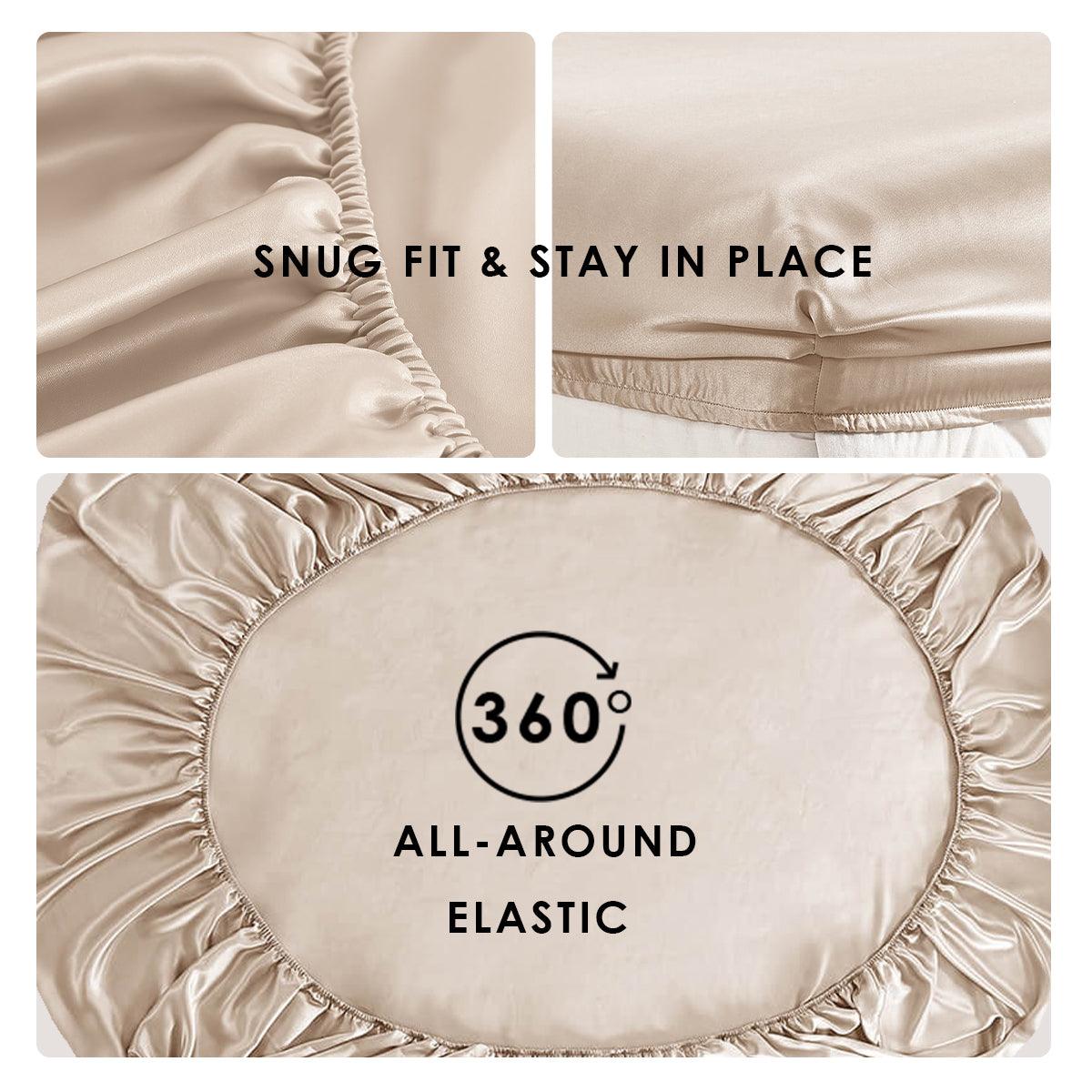
What to Look for When Buying High-Quality Sheets: A Complete Guide
When buying high-quality sheets, you should focus on several key factors identified by bedding experts: material, thread count, weave, and technology.
Weiterlesen
The Thread Count Myth and 4 Other Secrets to Buying Bed Sheets Like a Pro
The luxury bedding market is rife with expensive disappointments, where consumers often find that a several-hundred-dollar investment yields sheets that feel scratchy, stuffy, or clinical. We are c...
Weiterlesen
Hinterlasse einen Kommentar
Diese Website ist durch hCaptcha geschützt und es gelten die allgemeinen Geschäftsbedingungen und Datenschutzbestimmungen von hCaptcha.