
Spring Sale! Upto 50% Off!
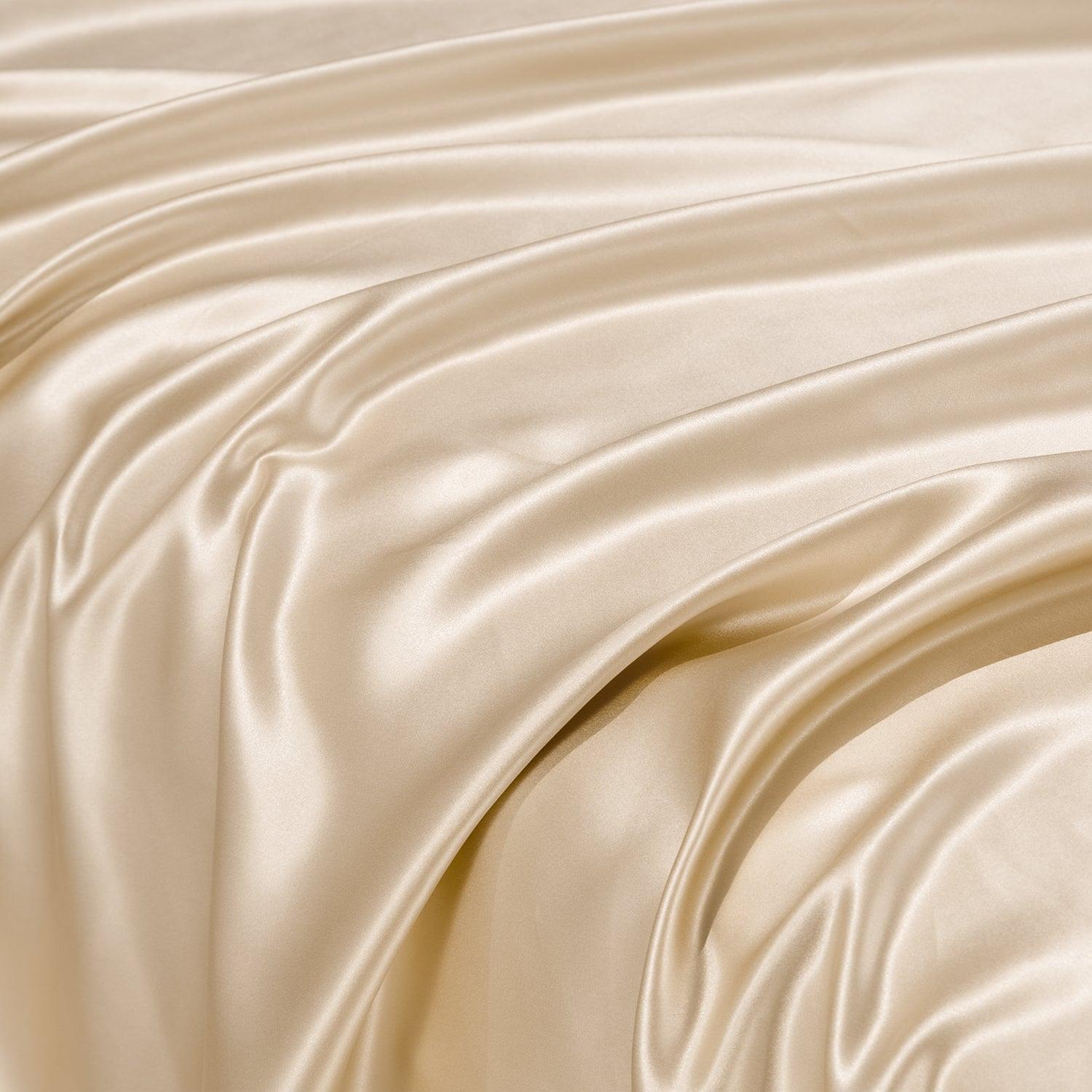
Discover how the natural protein structure of mulberry silk—fibroin and sericin—makes it the ideal fabric for sensitive skin, reducing irritation and maintaining moisture.
Last updated: · By: AMPromeed
For readers comparing The Protein Composition of Mulberry Silk: Why It's Gentle on Sensitive Skin, these resources directly support the sheet-material sections below.
For readers comparing The Protein Composition of Mulberry Silk: Why It's Gentle on Sensitive Skin, these supporting resources add more context: 23mm silk crib sheet; 30mm Mulberry Silk Series; Silk Pillowcase Guide: Benefits, Care & How to Choose.
The Protein Composition of Mulberry Silk: Why It's Gentle on Sensitive Skin is best for shoppers comparing comfort, care needs, and everyday use before choosing the right Promeed product.
Start with the benefit that matters most, then use the linked product and collection resources above to confirm materials, fit, and care details.
Mulberry silk is valued for its long, smooth protein fibers, which create a soft surface that reduces rough friction against sensitive skin during sleep.
Look at fabric smoothness, momme weight, breathability, and care routine together so the material feels gentle night after night without becoming difficult to maintain.

Have you ever wondered why sleeping on silk feels so different from your regular cotton sheets? There's actually some fascinating science behind that luxurious feel. For thousands of years, people have treasured silk as one of nature's most precious fabrics. But here's what many folks don't realize: the secret to silk's incredible gentleness lies deep within its natural makeup—specifically, in the proteins that form each delicate fiber.
When we talk about mulberry silk, we're discussing something truly special. This isn't just any fabric that feels nice against your skin. The protein composition of mulberry silk makes it naturally compatible with human skin in ways that other materials simply can't match. Think of it as nature's way of creating the perfect textile for people who struggle with sensitive skin, allergies, or simply want the best for their nighttime routine.
Throughout this article, you'll discover exactly why silk offers such remarkable benefits for your skin and hair. We'll break down the science in plain language, explore what makes mulberry silk stand apart from other types of silk, and help you understand why investing in pure mulberry silk products could be one of the smartest decisions for your comfort and skin health. Your skin will thank you each morning—and that's not just marketing talk. There's genuine science backing up these claims.
Let's start with the basics. Where does mulberry silk actually come from? The answer takes us to a remarkable little creature called the Bombyx mori silkworm. These specialized silkworms feed exclusively on mulberry leaves—nothing else will do. This exclusive diet is actually one of the key factors that make mulberry silk so special and pure.
Picture this process for a moment: silkworms carefully munching on tender mulberry leaves, then spinning cocoons made from a single continuous thread that can stretch over 900 meters long, resulting in mulberry silk fibers. That's nearly ten football fields from just one tiny cocoon! The silk produced by these dedicated little weavers becomes the finest, smoothest, and most uniform silk fiber available. This is what we call real silk or pure silk—the highest quality silk you can find.
Now, you might be wondering: isn't all silk basically the same? Actually, no, because mulberry silk also offers additional benefits compared to other fabrics. There are several different types of silk out there, and they vary quite a bit in quality and characteristics. Besides mulberry silk, you'll find tussah silk (sometimes called "wild silk"), eri silk, and muga silk. These other varieties come from silkworms that eat different plants and live in less controlled environments.
The silkworms that produce mulberry silk live in carefully managed conditions where they're fed only the finest mulberry leaves. This controlled environment and exclusive diet result in silk fibers that are incredibly uniform, smooth, and strong. Other types of silk, like tussah, come from wild silkworms that eat oak leaves or other plants. These produce coarser, less regular fibers with a slightly rough texture—very different from the buttery smoothness of mulberry silk.
When you look at mulberry silk production, you're seeing centuries of refinement, as this silk is produced with a deep understanding of its properties. Farmers have perfected the process of raising these silkworms and harvesting their cocoons to create the most luxurious silk possible. The fiber's natural uniformity means that when it's woven into silk sheets, a silk pillowcase, or silk sleepwear, the final product has an exceptionally smooth surface. This smoothness isn't just about luxury—it's directly connected to how gentle the fabric is on sensitive skin and hair.
The purity of mulberry silk is another critical factor. Because these silkworms are raised in such controlled conditions and fed such a specific diet, the silk produced is remarkably consistent and free from irregularities, ensuring high-quality silk. This purity translates directly into the qualities of mulberry silk that benefit your skin: no rough patches, no irregular texture, and no surprising irritants hiding in the fabric.
Now we're getting to the really interesting part—the science behind why mulberry silk is so uniquely compatible with human skin. Ready to dive into what makes this natural fiber so special? Don't worry; we'll keep it simple and clear.
Silk is almost entirely made of protein. In fact, about 97% of silk fiber consists of proteins, primarily two types: fibroin and sericin. If you remember nothing else from this section, remember those two words. They're the stars of our story.
Fibroin makes up the bulk of the silk fiber—roughly 70-80% of it. Think of fibroin as the main building block, the foundation that gives silk its incredible strength, smooth texture, and breathable qualities. But what makes fibroin truly remarkable is what it's made of: amino acids.
Amino acids are tiny molecular building blocks that link together to form proteins. Mulberry silk contains several key amino acids, including glycine, alanine, and serine. Here's where it gets fascinating: these same amino acids are also found naturally in human skin! That's right—the proteins in silk are similar to the proteins that make up your own skin. This similarity is a big reason why silk is so gentle on the skin and why it feels so natural against your body.
When you sleep on a silk pillowcase or wrap yourself in silk sheets, your skin is essentially touching a material that "speaks the same language" at a molecular level. The amino acids in the silk fiber help create a smooth, low-friction surface that lets your skin glide effortlessly across the fabric. This reduces tugging, pulling, and the kind of friction that can irritate sensitive skin or cause those annoying sleep lines on your face.
The structure of fibroin also makes mulberry silk breathable and temperature-regulating. The protein fibers in mulberry silk are silk is breathable, with tiny gaps that allow air to circulate while still providing a smooth, continuous surface ideal for hair and skin. This means mulberry silk naturally helps keep your skin at a comfortable temperature throughout the night—not too hot, not too cold, as silk is one of the best materials for temperature regulation.
Now let's talk about sericin, which accounts for about 20-30% of raw silk. Sericin acts like a natural glue that holds the fibroin fibers together in the cocoon. It's sticky and slightly rough in its natural state, unlike refined mulberry silk fibers. But here's an important detail: during silk production, most of the sericin is carefully removed through a process called degumming.
Why remove it? Because excessive sericin can feel stiff and potentially irritating to some people. However—and this is crucial—high-quality mulberry silk production doesn't strip away all the sericin. A tiny amount is left behind because sericin actually contains beneficial compounds. Some research suggests that the small amounts of sericin remaining in properly processed mulberry silk can have moisturizing properties and may even support skin health.
The key is balance. Pure mulberry silk has been processed carefully enough to remove the sticky, potentially irritating sericin while retaining just enough to contribute to the fabric's smooth, skin-friendly character. This careful processing is one reason why mulberry silk is naturally hypoallergenic and gentle on sensitive skin conditions like eczema or rosacea, making it ideal for hair and skin care.
Let's return to those amino acids for a moment because they deserve extra attention. The specific amino acids found in mulberry silk—particularly glycine, alanine, and serine—create a protein structure that naturally attracts and holds moisture. This is huge for skin health.
When moisture from your skin comes into contact with silk fiber, the fabric doesn't absorb it away like cotton does. Instead, silk helps maintain moisture balance, keeping your skin hydrated throughout the night. This is especially beneficial for people with dry skin or those who want to protect the expensive skincare products they apply before bed. Silk minimizes friction and absorption, meaning your night cream stays on your face instead of disappearing into your pillowcase.
Think about it this way: cotton acts like a sponge, soaking up moisture from your skin and hair. Synthetic fabrics don't breathe well and can trap heat and sweat. But mulberry silk? It strikes the perfect balance—breathable like natural fibers but with a unique protein structure that supports your skin's natural moisture levels.
So we've covered what mulberry silk is made of—now let's talk about what all those proteins actually do for your skin. This is where the rubber meets the road, or rather, where your face meets your silk pillowcase each night!
Remember those amino acids we discussed—fibroin packed with glycine, alanine, and serine? These proteins work together to help retain moisture and prevent the kind of dryness that can lead to irritation or discomfort. Unlike fabrics that pull moisture away from your skin, mulberry silk helps maintain your skin's natural hydration balance.
If you've ever woken up with dry, tight-feeling skin after sleeping on cotton sheets, you know what we're talking about. Cotton is absorbent by nature—great for towels, but not ideal when you want to keep your skin hydrated all night long. Silk naturally works differently. The protein structure doesn't aggressively absorb moisture. Instead, it allows your skin to maintain its optimal hydration level, which is especially important for people with sensitive skin or conditions like eczema that worsen with dryness.
Here's something that might surprise you: high-quality mulberry silk is naturally hypoallergenic. What does that mean in practical terms? It means mulberry silk is highly resistant to common allergens that love to hide in other bedding materials.
Dust mites, those microscopic creatures that trigger allergies and asthma in millions of people, don't like silk. The smooth, tightly-woven structure of silk fibers and the natural proteins they contain create an environment where dust mites simply can't thrive. If you've ever dealt with nighttime sneezing, itchy eyes, or breathing issues that seem worse in bed, your bedding might be harboring these tiny troublemakers. Switching to mulberry silk bedding can make a real difference.
But it's not just about dust mites. Mulberry silk is also naturally resistant to mold, mildew, and fungi. These unwelcome guests love damp, warm environments—which is exactly what cotton bedding can become when it absorbs sweat during the night. Silk's breathable nature and moisture-wicking properties mean it doesn't create the humid conditions that mold needs to grow. For people with sensitive skin or allergies, this natural resistance is a game-changer.
Let's talk about something you can literally feel: friction, which is minimized with high-quality silk. When you move your head across your pillow at night or shift positions in your silk sheets, how much resistance does your skin encounter? With most fabrics, there's quite a bit of drag and pulling. But the smooth surface of mulberry silk tells a different story.
The protein composition of silk creates an incredibly smooth texture at the microscopic level. There are no rough fibers sticking out, no irregular patches—just a continuous, silky surface that lets your skin glide with minimal friction against your skin. This matters more than you might think.
Every time you move during sleep, rougher fabrics create tiny tugs and pulls on your skin. Over time, this repetitive friction can contribute to those sleep lines and creases you see in the mirror each morning. The texture of silk minimizes this mechanical stress on your skin. Your face isn't being compressed and wrinkled against a rough surface all night long.
For your hair, the benefits are equally impressive. Hair rubbing against cotton or synthetic pillowcases creates friction that can damage the hair cuticle, leading to breakage, frizz, and split ends. A mulberry silk pillowcase lets your hair slide smoothly as you move, protecting both your skin and hair at the same time. Many people notice their hair looks noticeably smoother and less tangled after sleeping on silk.
If you deal with eczema, rosacea, or other sensitive skin conditions, you already know how challenging it can be to find products that don't trigger flare-ups. The unique properties of mulberry silk make it ideal for people managing these concerns.
Eczema sufferers often struggle with fabrics that irritate already-compromised skin. Cotton can be scratchy (even when it feels soft to healthy skin), and synthetic materials can trap heat and moisture, making itching worse. Mulberry silk offers a different experience. Its smooth protein fibers don't irritate inflamed skin, and its breathable nature helps prevent the overheating that can intensify itching.
For those with rosacea, which causes facial redness and sensitivity, sleeping on mulberry silk can help reduce one source of mechanical irritation. The reduced friction means less aggravation of sensitive facial skin throughout the night. While silk won't cure skin conditions, it removes one potential trigger from your environment—and that can make a meaningful difference in managing symptoms.
People with sensitive skin or allergies often report that switching to mulberry silk products helps them sleep more comfortably, as mulberry silk is hypoallergenic. There's less tossing and turning due to itching or discomfort, which means better quality rest. And better sleep? That contributes to healthier skin overall, creating a positive cycle.
You've probably invested in various bedding materials over the years. Cotton, satin, maybe bamboo sheets that promised to be "just as good" as silk. But how does mulberry silk really stack up against these alternatives? Let's break it down in plain terms about why mulberry silk is known for its benefits.
Cotton is the bedding standard for most households. It's affordable, easy to care for, and comes in countless thread counts and finishes. But here's the reality: cotton absorbs moisture like crazy. Those high-thread-count Egyptian cotton sheets? They're pulling moisture away from your skin and hair all night. Cotton also creates more friction than silk, and it can harbor dust mites and allergens in its fibers. For everyday use, cotton is fine—but for sensitive skin and optimal skin health, it's not ideal.
Satin often gets confused with silk, but here's a crucial distinction: satin is a type of weave, not a material. Most affordable "satin" sheets are actually made from polyester or other synthetic fibers woven in a satin weave pattern to create a shiny, smooth surface. While satin sheets feel slippery, they're not breathable like natural silk. Synthetic satin can trap heat and doesn't have the natural protein benefits that make mulberry silk so skin-friendly. It might look similar, but the benefits of silk simply aren't there with polyester satin.
Bamboo fabric has gained popularity as an eco-friendly option. Bamboo sheets are typically soft and have good moisture-wicking properties. However, most bamboo fabric is actually rayon made from bamboo pulp through heavy chemical processing. While bamboo can be gentle, it doesn't offer the natural protein structure that makes mulberry silk uniquely compatible with human skin. Bamboo is breathable and can be a good choice, but it's not the same as using mulberry silk, which is ideal for both skin and hair.
Synthetic materials like polyester or microfiber might be inexpensive and wrinkle-resistant, but they come with significant drawbacks for skin health. These fabrics don't breathe well, can trap heat and sweat against your skin, and create static electricity. For people with sensitive skin, synthetic bedding often makes issues worse rather than better.
When you compare mulberry silk vs other options, several factors make it ideal for skin health:
The luxurious feel of silk isn't just about indulgence—it's about performance. Quality silk actually functions differently at the molecular level than other fabrics, particularly when considering how mulberry silk is a natural option. The benefits of mulberry silk come from its inherent structure, not from added chemicals or special treatments.
Not all silk is created equal. You've probably seen products labeled as "silk" at wildly different price points and wondered what the difference really is, particularly when comparing synthetic materials to pure silk. Understanding what separates high-quality mulberry silk from lower-grade alternatives helps you make smart choices for your skin and your investment.
First and foremost, look for products made from 100% pure mulberry silk. This seems obvious, but many products labeled simply as "silk" might be blended with synthetic fibers or use lower-quality silk types. When a product says it's pure mulberry silk, you're getting the real deal—silk made entirely from those carefully raised Bombyx mori silkworms that feed exclusively on mulberry leaves; this silk is produced with meticulous care.
Why does this purity matter? Because blended fabrics won't give you the full range of benefits that mulberry silk offers. A pillowcase that's 60% silk and 40% polyester might feel somewhat smooth, but it won't be naturally hypoallergenic, won't breathe the same way, and won't have the same protein-rich composition that makes silk so gentle on sensitive skin.
Here's a term you'll encounter when shopping for silk products: momme (pronounced "moe-mee"). Momme is the unit used to measure silk fabric weight and density. Think of it like thread count for cotton, but more reliable.
For silk bedding, you typically want to look for:
Higher momme weight generally means more durability and a more substantial feel. However, there's a sweet spot. Go too low (below 19 momme) and the silk might be too thin and fragile. Go too high (above 25 momme) and it can feel stiff rather than drapey and soft. The best mulberry silk products for sensitive skin typically fall in that 19-25 momme range—thick enough to last but still maintaining that characteristic silk softness.
When you're choosing mulberry silk products for your skin, certifications matter, as they ensure the silk is produced ethically and sustainably. Look for products with OEKO-TEX® Standard 100 certification or similar third-party testing. These certifications ensure that the silk is free from harmful chemicals, toxic dyes, and other substances that could irritate your skin.
Remember, even natural silk can be treated with chemicals during processing or dyeing. OEKO-TEX certification means the silk has been tested for hundreds of potentially harmful substances and found to be safe for direct skin contact. For people with sensitive skin or allergies, this certification provides important peace of mind.
The way silk is processed and colored affects its final quality. High-quality mulberry silk production involves gentle processing that preserves the natural protein structure of the fibers. Harsh chemicals or aggressive processing can damage the delicate amino acid chains that make silk so beneficial for skin.
When it comes to color, naturally dyed silk or minimally processed natural-colored silk (which has a slight ivory or cream tone) is often gentlest on sensitive skin. However, modern low-impact dyes can create beautifully colored silk products without compromising their hypoallergenic properties—as long as the manufacturer uses quality, non-toxic dyes.
Here's something many people overlook: even the highest quality silk won't maintain its beneficial properties if you don't care for it correctly. Mulberry silk requires gentle handling to preserve its protein structure and smooth texture.
Basic care guidelines for pure silk mulberry silk products:
Proper care for mulberry silk isn't difficult, but it does require a bit more attention than tossing cotton sheets in the washer with hot water and bleach, especially since mulberry silk is a natural fabric. The trade-off? Your silk products, especially high-quality silk items, will maintain their skin-friendly properties and last for years.
Let's bring all this science and quality talk back to what really matters: how sleeping on mulberry silk actually improves your daily life. The benefits extend far beyond just feeling luxurious (though that's certainly a nice bonus!).
Think about your nighttime skincare routine. You probably invest in quality cleansers, serums, moisturizers, maybe even expensive night creams or treatments. But have you considered what happens to all those products once your face hits the pillow?
When you sleep on silk, you're essentially protecting your skincare investment. The smooth surface of mulberry silk and its low-absorbency protein structure mean your night cream stays on your face where it belongs, working its magic throughout the night. Cotton pillowcases act like beauty product sponges, soaking up a significant portion of whatever you've applied. With a mulberry silk pillowcase, more of your skincare stays put and does its job.
This benefit becomes even more important as skin matures. If you're in your 40s, 50s, 60s, or beyond, you've likely noticed your skin needs more moisture and care than it used to. Every bit of that expensive retinol or peptide cream matters. Using silk helps maximize the effectiveness of your skincare routine without requiring any extra effort on your part.
Here's a benefit you'll notice almost immediately: reduced sleep lines and creases. Those deep lines pressed into your cheek from your pillowcase? They're caused by friction and compression against rough fabric. The texture of silk minimizes this pressure, and because silk is so smooth, your skin glides across it rather than bunching and creasing.
Over time, this reduction in repetitive facial compression can help minimize the formation of permanent wrinkles. While silk won't erase existing wrinkles (nothing will except medical procedures), it can help prevent new ones from forming due to sleep position. For people concerned about aging skin, this is a simple, passive way to support skin health.
One often-overlooked benefit of sleeping on mulberry silk is temperature regulation. The natural protein fibers are breathable and help maintain a comfortable sleep temperature. This matters more than you might think for skin health.
When you overheat during sleep, you sweat more, but using mulberry silk can help mitigate this issue with its natural breathability. Excess moisture can irritate sensitive skin, clog pores, and create an environment where bacteria thrive. Mulberry silk naturally helps regulate temperature, keeping you comfortable without the hot, sweaty feeling that synthetic fabrics create. For people dealing with night sweats, hormonal changes, or simply warm sleeping environments, silk sleep products can make a noticeable difference.
While we've focused primarily on skin, we can't ignore what mulberry silk does for your hair. The same smooth, low-friction surface that's gentle on your skin works wonders for preventing hair breakage, tangles, and frizz. People who switch to silk pillowcases often report that their hair looks smoother and healthier, with less bedhead in the morning.
For those with textured, curly, or chemically treated hair, a silk pillowcase can be particularly transformative. These hair types are more prone to breakage and dryness, and the reduced friction from sleeping on mulberry silk helps preserve both hair health and hairstyles.
Better skin isn't just about what you put on it—it's also about getting quality rest. When you're comfortable throughout the night, not waking up because you're too hot, itchy from allergens, or irritated by rough fabric, you sleep more deeply. And quality sleep with a silk sleep mask? That's when your skin does its most important repair and regeneration work.
Mulberry silk contributes to this better sleep in multiple ways: its smooth texture feels comfortable, its hypoallergenic properties reduce nighttime allergies, its breathability prevents overheating, and its natural elegance creates a sleep environment that feels special and relaxing. All of these factors work together to support not just skin health, but overall wellbeing.
While individual results vary, many people with sensitive skin conditions report meaningful improvements after switching to mulberry silk bedding. Those with eczema often experience less nighttime itching. People with rosacea notice reduced facial redness in the morning. Individuals concerned about aging skin report smoother, more hydrated-looking skin and fewer sleep lines.
These aren't magical transformations—they're the natural result of removing sources of irritation and supporting your skin's natural processes, especially when you use mulberry silk. Mulberry silk doesn't "fix" skin problems, but it creates an environment where your skin can be healthier and more comfortable; mulberry silk is hypoallergenic, making it a great choice for sensitive skin.
We've covered a lot of ground in this exploration of mulberry silk's protein composition and its effects on sensitive skin. Let's bring it all together with the key takeaway: mulberry silk isn't just a luxury indulgence—it's a scientifically sound choice for anyone who cares about skin health and comfort.
The natural protein structure of mulberry silk, rich in amino acids like glycine, alanine, and serine, creates a fabric that's uniquely compatible with human skin. These proteins mirror components found in your own skin, which is why silk feels so naturally gentle and comfortable. The smooth fibroin fibers and carefully processed sericin work together to create a surface that minimizes friction, maintains moisture balance, and resists common allergens like dust mites.
When you choose pure mulberry silk products—whether it's a silk pillowcase, silk sheets, or silk sleepwear—you're making an investment in long-term comfort and skin health, as mulberry silk is hypoallergenic. Yes, quality silk costs more than cotton or synthetic alternatives. But consider what you're getting: a naturally hypoallergenic fabric that protects your skincare investment, reduces friction against your skin and hair, regulates temperature, and lasts for years with proper care.
For people with sensitive skin, eczema, rosacea, or allergy concerns, mulberry silk offers genuine relief. It removes common irritants from your sleep environment and creates conditions where your skin can rest and recover more effectively. For those simply interested in maintaining healthy, youthful-looking skin, silk provides preventive benefits that complement your existing skincare routine.
The qualities of mulberry silk make it ideal for daily use in ways that other fabrics simply cannot match. Cotton may be familiar and easy, but it doesn't offer the protein-rich composition that makes silk so skin-friendly. Synthetic satin might look similar, but it lacks the breathability and natural benefits of real silk. Mulberry silk stands alone in combining luxury with legitimate dermatological advantages.
As you consider whether to incorporate mulberry silk into your life, remember that you're not just buying a product—you're investing in better sleep, healthier skin, and daily comfort. Your skin is your body's largest organ, and it deserves care and protection, especially during the hours you spend sleeping.
Experience the difference of protein-rich mulberry silk—your skin will thank you each morning. Whether you start with a single silk pillowcase or transform your entire bed with mulberry silk bedding, you're taking a step toward supporting your skin's health in the most natural, gentle way possible. The science is clear, the benefits are real, and the comfort? Well, that's something you truly have to experience for yourself.
Sweet dreams, and even sweeter skin.
Promeed readers are usually comparing comfort, material quality, care effort, and long-term value before choosing silk bedding. Use this guide as a practical decision path: match the fabric to your sleep priorities, then check whether the care routine fits your household.
For shoppers leaning toward mulberry silk, focus on smooth hand feel, momme weight, gentle washing, and daily friction against hair and skin. Those details keep the article grounded in Promeed’s silk bedding expertise without turning the comparison into a generic fabric overview.
When the fit feels clear, use the next step below to review the most relevant Promeed option.
See the recommended 23mm 6A+ 100% Mulberry Silk Fitted Bed Sheet Crib | Toddler-Christmas Gift
These links support the specific product and collection references requested for The Protein Composition of Mulberry Silk: Why It's Gentle on Sensitive Skin.
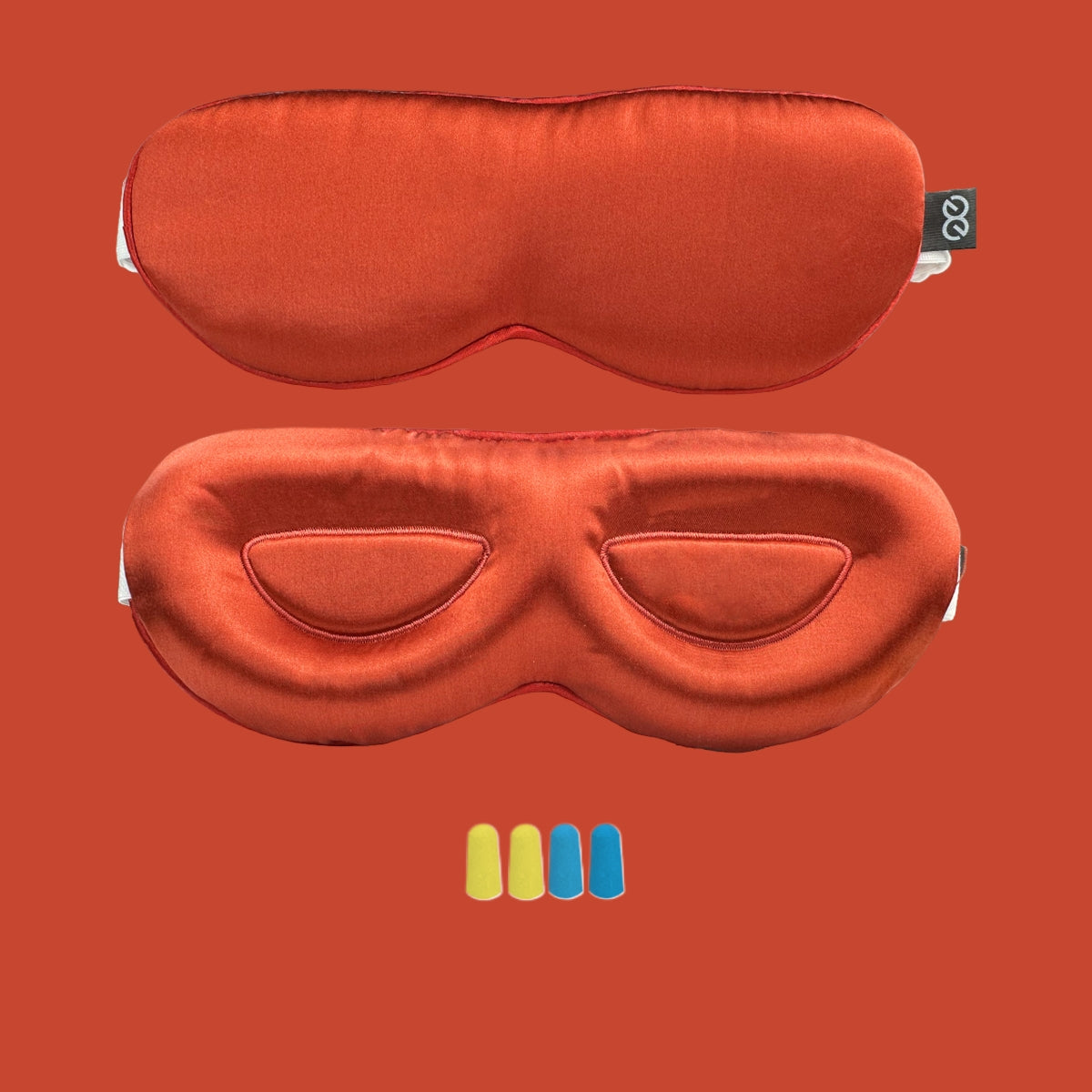
Sleep Optimization with Mulberry Silk: 3D Eye Masks for Eye Strain Relief
Tired of waking up with tired eyes? Discover how a 3D mulberry silk eye mask can relieve eye strain and transform your sleep quality. Last updated: April 27, 2026 · By: EleanorKelly →Related read...
Weiterlesen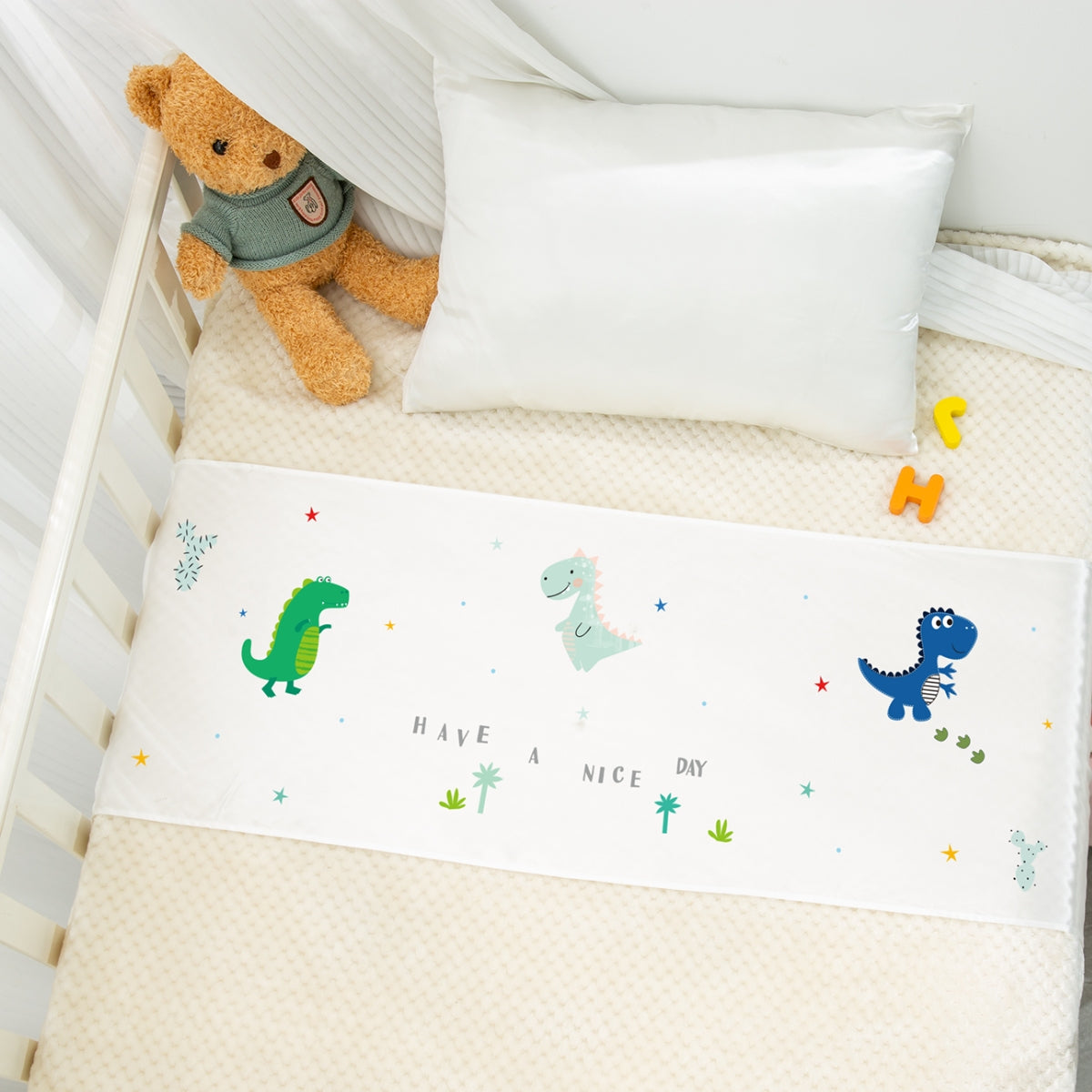
Mulberry Silk Crib Sheets: How Natural Protein Fibers Support Baby's Skin Barrier Health
Your baby's skin is 30% thinner than yours—discover how the natural proteins in mulberry silk crib sheets can help protect their delicate barrier while they sleep. Last updated: April 27, 2026 · By...
Weiterlesen
Hinterlasse einen Kommentar
Diese Website ist durch hCaptcha geschützt und es gelten die allgemeinen Geschäftsbedingungen und Datenschutzbestimmungen von hCaptcha.